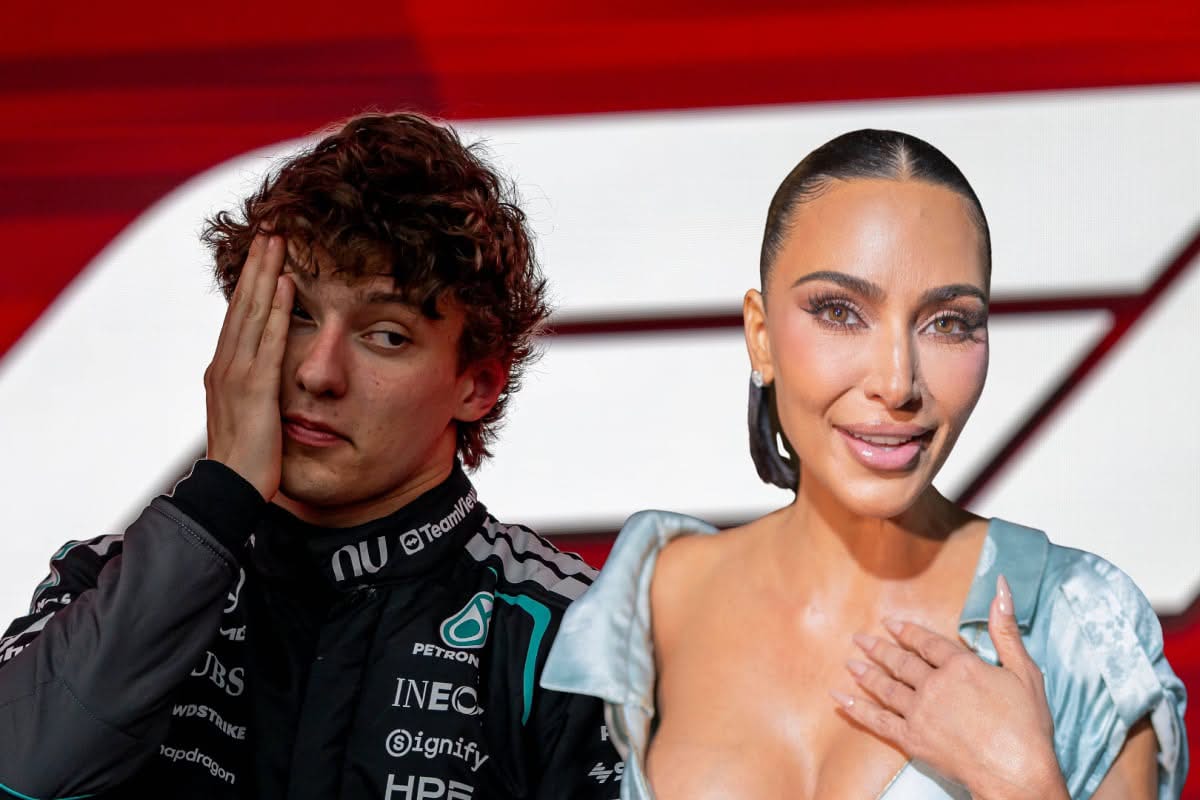

The aftermath of the 2026 Monaco Grand Prix has extended far beyond the racetrack, as an unexpected controversy involving Kim Kardashian has sparked intense debate among Formula 1 fans, insiders, and commentators. What should have been a weekend dominated by the brilliance of young race winner Kimi Antonelli has instead been overshadowed by a series of incidents involving the high-profile celebrity, leading to widespread calls from sections of the F1 community for stricter control over celebrity access—or even an outright ban.
The Monaco Grand Prix is widely regarded as one of the most glamorous events on the Formula 1 calendar, often attracting celebrities, royalty, and global influencers. However, Kardashian’s presence this year generated an unusually strong reaction. Attending the race reportedly in support of her partner, Lewis Hamilton, she quickly became one of the most talked-about figures of the weekend—but not necessarily for the right reasons.
One of the central incidents that fueled the backlash involved a viral clip showing Kardashian using a towel that had been reserved for race winner Antonelli. In Formula 1, such items—especially those associated with podium ceremonies—carry symbolic importance. They are typically exclusive to the top three finishers and often feature special designs linked to sponsors or luxury brands. Critics argued that her use of the item demonstrated a lack of awareness or respect for the traditions of the sport.
For many fans, this moment became emblematic of a broader concern: that celebrity guests may not fully appreciate the culture, etiquette, and competitive significance of Formula 1. Social media platforms were quickly flooded with criticism, with some users describing the act as “tone-deaf” and others questioning whether celebrities are beginning to treat the paddock as a casual VIP playground rather than a professional sporting environment.
The controversy did not end there. Another widely discussed moment came during the traditional pre-race grid walk conducted by veteran broadcaster Martin Brundle. Known for approaching drivers and celebrities for quick interviews, Brundle attempted to speak with Kardashian live on air. However, the interaction was noticeably awkward, as she appeared to ignore or dismiss the attempt. This incident triggered further backlash, with many fans interpreting her response as dismissive or disrespectful.
Within the Formula 1 paddock itself, there were also reports of frustration among drivers’ partners and insiders. Some felt that Kardashian’s presence—and the enormous media attention it generated—overshadowed the sporting achievements of the weekend. In particular, Antonelli’s remarkable victory, which marked a significant milestone in his young career, struggled to dominate headlines in the way such an achievement typically would.
Adding to the tension were claims that Kardashian had brushed off or avoided interactions with other high-profile figures present at the event. While Monaco is known for its blend of sport and celebrity culture, there are long-standing informal expectations regarding behavior and mutual respect within the paddock. Critics argued that her actions clashed with these unwritten rules, intensifying calls for Formula 1 authorities to reconsider how celebrity access is managed.
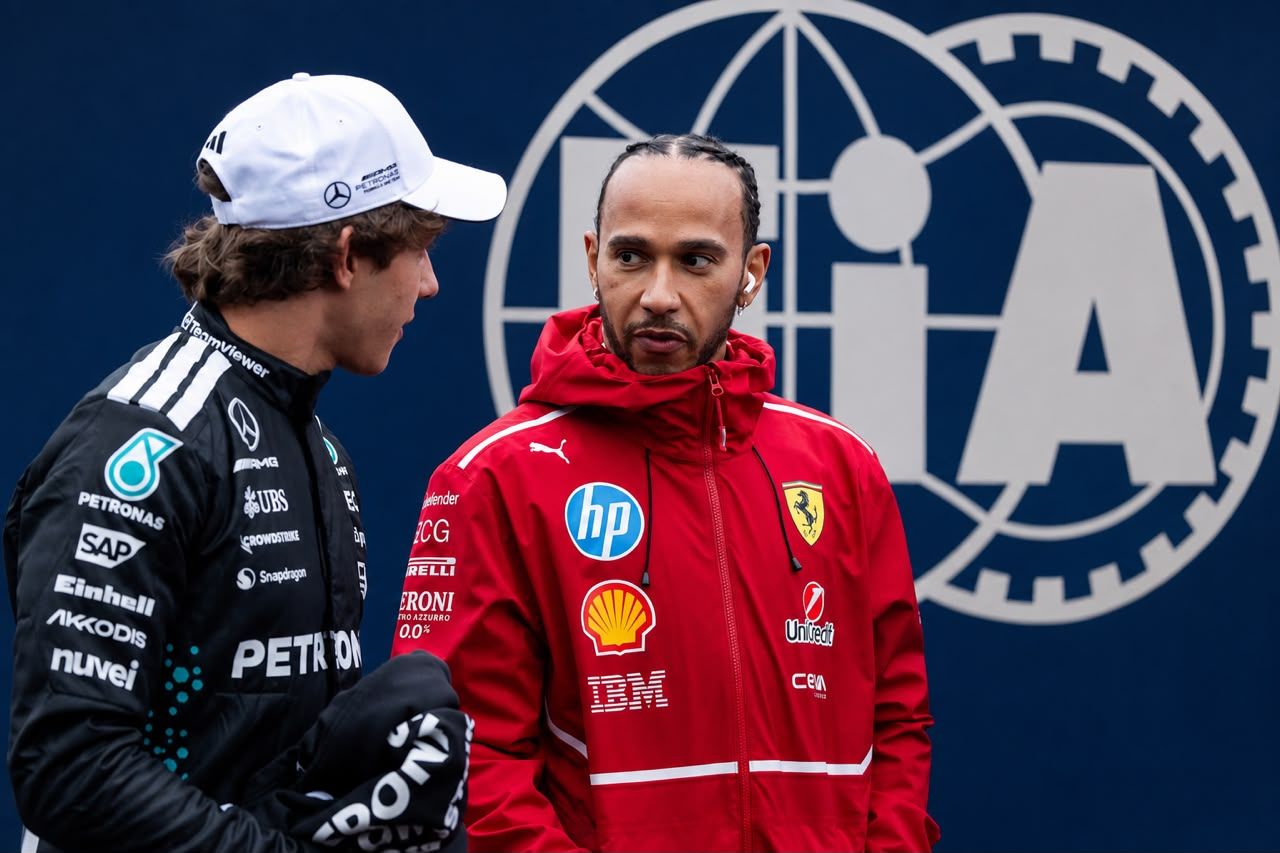
Despite the growing criticism, not everyone shared the negative perspective. Lewis Hamilton, who finished second in the race, publicly expressed appreciation for Kardashian’s support. He emphasized the importance of having trusted and supportive people around him during race weekends, suggesting that her presence had a positive personal impact.
This divide in opinion highlights a broader issue facing modern Formula 1: the balance between maintaining its elite sporting integrity and embracing its increasing global popularity and entertainment appeal. The sport has experienced rapid growth in recent years, attracting new audiences through social media, streaming platforms, and celebrity engagement. While this expansion has brought undeniable benefits, it has also introduced new challenges regarding image, access, and tradition.
For some fans, the calls for a “ban” on Kardashian are less about the individual herself and more about what she represents. They argue that Formula 1 must protect its core identity as a competitive sport first and foremost. From this perspective, any behavior perceived as disrespectful—regardless of who is responsible—should be addressed to preserve the values and traditions of the sport.
Others, however, view the reaction as excessive. They point out that Monaco has always been synonymous with glamour and celebrity presence, and that high-profile guests are part of what makes the event unique. In their view, increased attention—even if controversial—ultimately contributes to the sport’s visibility and commercial success.
The situation also raises questions about how Formula 1 manages guest access and expectations. Should there be clearer guidelines for celebrity attendees? Should teams and organizers take greater responsibility in ensuring that guests understand paddock etiquette? Or is this simply the inevitable result of a sport that is evolving into a global entertainment powerhouse?
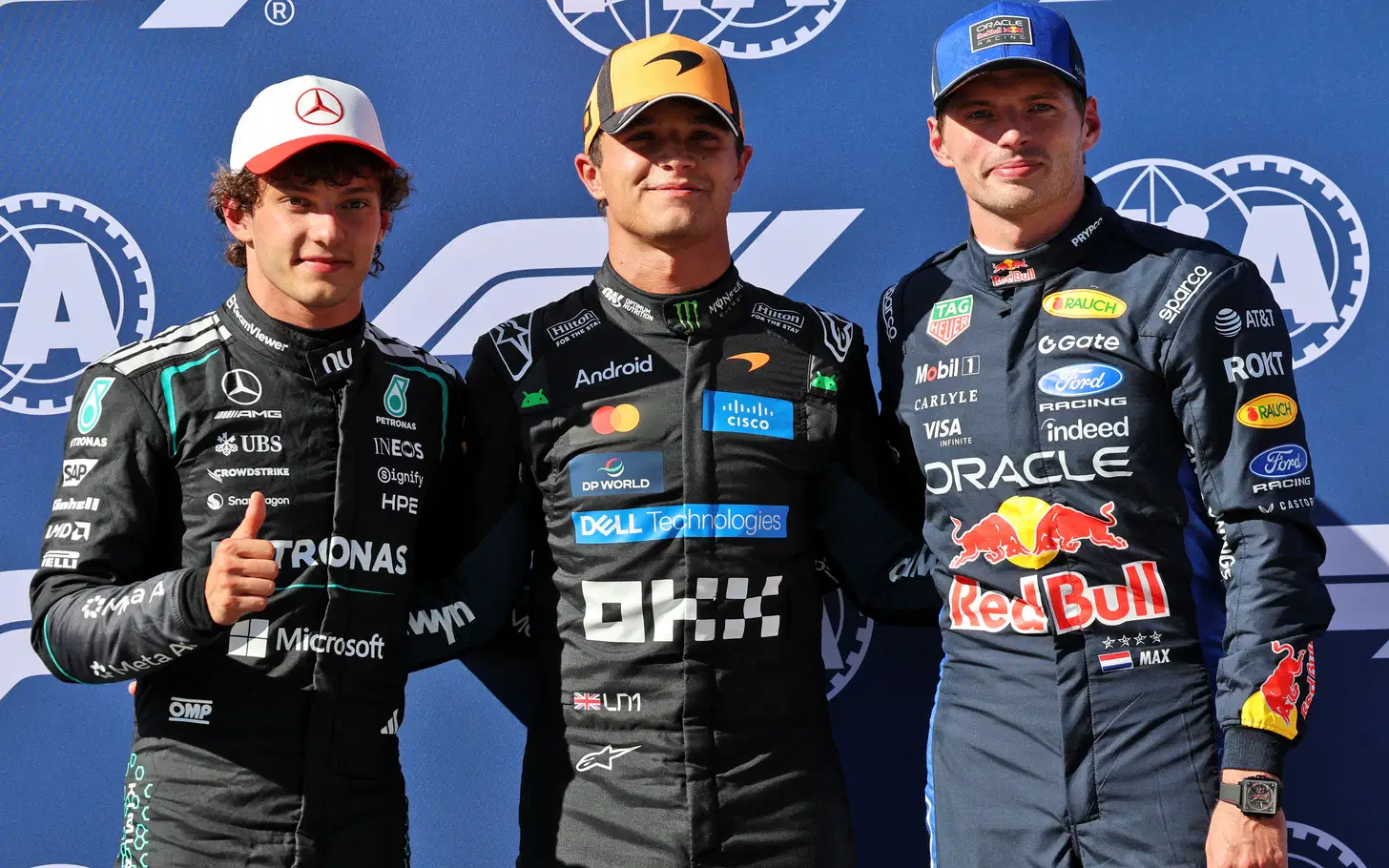
Meanwhile, amid all the off-track drama, Antonelli’s achievement remains a significant milestone. The young driver delivered a standout performance to secure victory in one of the most prestigious races in motorsport, reinforcing his status as one of the sport’s brightest rising stars. Yet, the fact that his triumph was partially overshadowed by controversy underscores the scale of the distraction caused by the situation.
In the end, the Monaco Grand Prix controversy serves as a reminder of the delicate balance Formula 1 must strike as it continues to grow. The sport thrives on spectacle, prestige, and global attention—but it also depends on respect for its traditions and the achievements of its drivers.
Whether the calls for stricter controls on celebrity access will lead to any concrete changes remains to be seen. What is clear, however, is that this incident has sparked a wider conversation about the role of celebrities in Formula 1—and how the sport can evolve without losing sight of what makes it special.