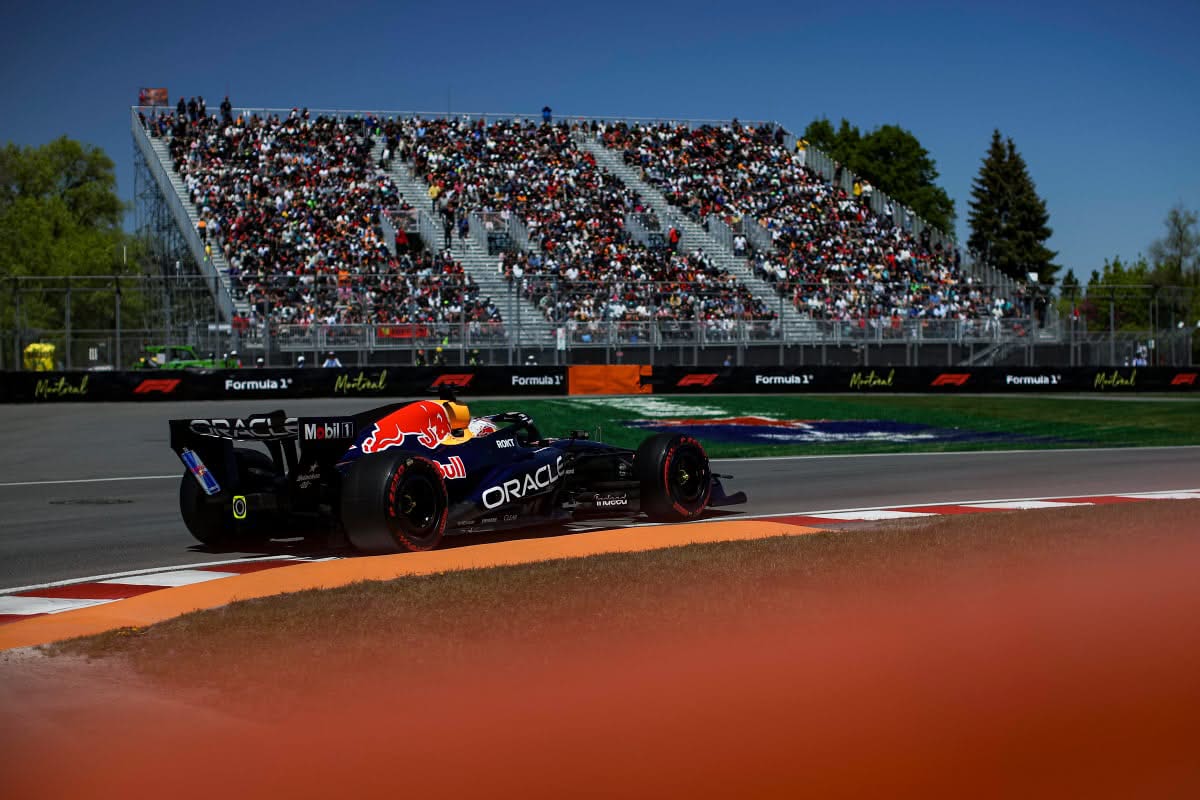
Canadian Grand Prix F1 2026 Qualifying Start Time Confirmed Ahead of Crucial Grid Battle
Formula 1 fans around the world are preparing for one of the most important sessions of the weekend as the official qualifying session for the 2026 Canadian Grand Prix is set to determine the starting grid for Sunday’s race. Following growing anticipation surrounding the revised timetable for this season’s Canadian event, organizers have now confirmed the exact qualifying start time, allowing teams and supporters to finalize their preparations for a potentially dramatic evening in Montreal.
The Canadian Grand Prix has already delivered plenty of excitement before the main qualifying session even begins. As Formula 1 enters a new technical era in 2026, every qualifying session has become increasingly significant, with the smallest margins often separating the leading teams from the midfield challengers. The Circuit Gilles Villeneuve has traditionally been one of the most unpredictable venues on the calendar, producing surprise results, dramatic incidents, and memorable pole-position battles over the years.
According to the official schedule released for the event, qualifying for the Canadian Grand Prix will take place on Saturday afternoon in Montreal at 16:00 local time. For viewers in different regions, the start time has been adjusted accordingly, with many European audiences watching during the evening hours. The session follows the sprint race and serves as the final opportunity for drivers to secure the best possible grid position for Sunday’s Grand Prix.
This year’s Canadian Grand Prix is particularly notable because it marks the first time the event has been held in May rather than its traditional June slot. The schedule adjustment was introduced as part of Formula 1’s broader effort to improve logistical efficiency and regionalize the calendar. The move has created a unique atmosphere around the Montreal weekend, with cooler weather conditions and different track characteristics potentially influencing performance.
Teams have spent the opening stages of the weekend collecting crucial data during practice sessions and sprint events. Engineers are working around the clock to optimize car setups, balancing straight-line speed with cornering performance on one of the fastest circuits in Formula 1. The track’s long straights, heavy braking zones, and demanding chicanes require a precise compromise between aerodynamic efficiency and mechanical grip.
Several teams entered the Canadian round carrying significant expectations. Mercedes has shown encouraging pace during recent weekends and continued that momentum in Montreal. Early running indicated that the Silver Arrows could once again challenge at the front of the field. Sprint qualifying further reinforced those expectations as the team demonstrated impressive speed throughout the session.
Meanwhile, McLaren, Ferrari, Red Bull, and several emerging midfield competitors are also expected to play major roles during qualifying. Under the current regulations, differences between teams are often measured in hundredths of a second, meaning a perfectly executed lap can dramatically alter the competitive order.
The importance of qualifying at Circuit Gilles Villeneuve cannot be overstated. Although overtaking opportunities exist thanks to the circuit’s lengthy straights and heavy braking zones, starting near the front remains a substantial advantage. Drivers who secure strong grid positions can control their race strategy more effectively while avoiding traffic and potential incidents during the opening laps.
Weather has become another key talking point heading into the session. Montreal is known for producing rapidly changing conditions, and teams must remain flexible when planning qualifying runs. Even slight variations in track temperature, wind direction, or cloud cover can affect tire performance and overall lap times. Throughout Formula 1 history, unexpected weather changes in Canada have often reshaped the starting grid and delivered shocking results.
The sprint portion of the weekend has already produced several dramatic moments. Practice sessions were interrupted by multiple incidents, while some drivers faced unexpected setbacks before sprint qualifying. One of the most unusual stories involved Alex Albon, whose Williams suffered extensive damage after an incident involving wildlife on the circuit. The resulting repairs prevented him from participating fully in sprint qualifying, creating additional challenges for the remainder of the weekend.
Other competitors have also encountered reliability concerns, technical problems, and setup issues as teams adapt to the demands of the Montreal circuit. Such challenges could continue to influence qualifying, where every second spent in the garage can significantly impact performance.
Fans can expect the traditional three-segment knockout format during qualifying. The session begins with Q1, where the slowest drivers are eliminated. Q2 follows with another round of eliminations before the fastest competitors advance to Q3, where pole position is ultimately decided. The final minutes of Q3 frequently produce some of the most thrilling moments of the entire Formula 1 weekend, with drivers extracting every possible fraction of performance from their cars.
The battle for pole position is expected to be particularly intense because championship implications continue to grow with each passing race. Drivers fighting for the title understand that a strong qualifying result can provide a crucial advantage in both points scoring and strategic flexibility during the Grand Prix itself.
Montreal’s famous Wall of Champions also remains a constant threat. The narrow margins around the circuit leave little room for error, and even the smallest mistake can end a qualifying run instantly. Drivers must balance aggression with precision as they search for the perfect lap.
Beyond the championship contenders, qualifying will also be important for midfield teams seeking valuable points. The competitive nature of the 2026 grid means that a strong performance on Saturday can dramatically improve a team’s prospects for Sunday’s race. Small gains in qualifying often translate into major opportunities once the lights go out.
As anticipation continues to build, all eyes will be on the Circuit Gilles Villeneuve when qualifying begins. With teams closely matched, unpredictable conditions possible, and championship stakes rising, the session promises to deliver another chapter in what has already become an exciting Canadian Grand Prix weekend.
Formula 1 has officially confirmed that the Canadian Grand Prix qualifying session will begin at 16:00 local time in Montreal on Saturday, setting the stage for a crucial fight for pole position and the best starting spots on the grid for Sunday’s race.