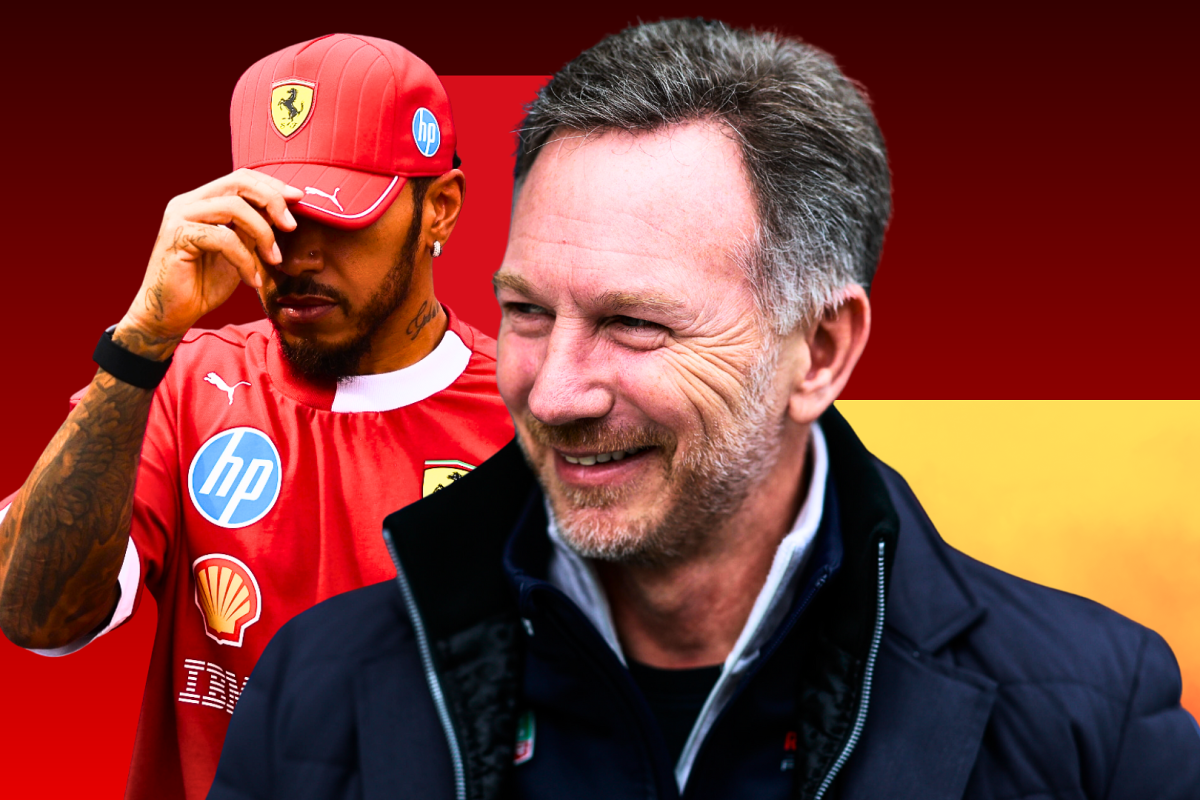
Fresh developments in Formula One suggest that Christian Horner could be edging closer to a dramatic return to the sport, even as Lewis Hamilton continues to make headlines for his own reflections and evolving situation within the paddock.
Horner, who was removed from his long-standing leadership role at Red Bull during the 2025 season, has remained one of the most talked-about figures in motorsport ever since his departure. Having spent nearly two decades shaping Red Bull into one of the most dominant teams in Formula One history, his exit marked the end of an era. Under his leadership, the team secured multiple world championships and established itself as a powerhouse, making his absence from the grid deeply felt across the sport.
Now, speculation is once again intensifying about a possible comeback. Reports indicate that Horner has not ruled out a return and may already be exploring opportunities behind the scenes. One of the strongest possibilities currently being discussed is a move to Aston Martin F1 Team, a team that has been undergoing significant internal changes and facing performance-related challenges.
Insiders suggest that circumstances within Aston Martin could make it an appealing destination for Horner. The team has been dealing with technical and reliability concerns, particularly linked to its power unit, which has affected performance consistency early in the season. These struggles have led to growing pressure within the organization, prompting discussions about leadership structure and whether adjustments are needed to steer the team in a more competitive direction.
Amid this uncertainty, Horner’s name has resurfaced as a potential solution. His extensive experience and proven track record make him an attractive candidate for any team looking to rebuild or strengthen its competitive edge. However, his potential return is far from straightforward. There are indications that Horner would only consider coming back under specific conditions—particularly if he is granted a level of influence or ownership similar to arrangements seen elsewhere in Formula One. This suggests he is not merely looking for a job, but rather a role where he can shape the long-term vision of a team.
Despite these ongoing discussions, no official confirmation has been made regarding Horner’s next move. Some earlier reports even indicated that a deal with Aston Martin had previously been dismissed, highlighting the fluid and uncertain nature of the situation. Nevertheless, recent developments suggest that conversations may have resumed, keeping the possibility of his return very much alive.
At the same time, the broader context of Formula One adds another layer of intrigue to the story. The sport is currently experiencing a period of transition, with several teams undergoing restructuring and key personnel changes. Red Bull itself has been navigating a difficult phase following a series of high-profile departures, including Horner’s own exit. The team’s struggles on track have only intensified discussions about leadership and long-term direction, further emphasizing the impact of losing such an influential figure.
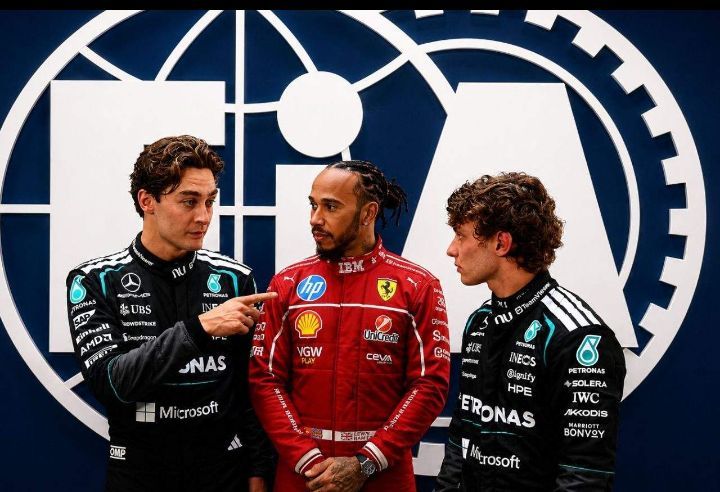
Parallel to Horner’s situation, Lewis Hamilton remains a central figure in the evolving narrative of Formula One. The seven-time world champion, now racing with Ferrari, has been reflecting on key moments in his career and acknowledging past decisions that have shaped his journey. While details of his reflections vary, they point to a period of introspection for one of the sport’s most successful drivers.
Hamilton’s current chapter with Ferrari represents both a fresh start and a significant challenge. The team is working aggressively to return to winning ways, reportedly preparing major upgrades to its car in an effort to close the gap to its rivals. This underscores the high expectations placed on Hamilton as he seeks to add to his already legendary legacy.
The intersection of these two storylines—Horner’s potential return and Hamilton’s ongoing journey—highlights the dynamic nature of Formula One at present. Both figures have played pivotal roles in shaping the modern era of the sport, and their futures continue to generate widespread interest among fans and analysts alike.
For Horner, a return would not only mark a personal comeback but could also have significant implications for whichever team he joins. His leadership style, strategic acumen, and ability to build winning teams are qualities that could transform a struggling outfit into a competitive force. However, questions remain about where he might fit best and whether existing team structures would accommodate his ambitions.
For Hamilton, the focus remains on performance and legacy. As he adapts to life at Ferrari, every decision and result is scrutinized, adding pressure to deliver success. His reflections suggest a driver who is both aware of his past and determined to maximize his future opportunities.
Ultimately, the situation remains fluid, with no definitive outcomes yet confirmed. Horner’s return to Formula One appears increasingly possible, but the timing, destination, and terms of such a move are still uncertain. Meanwhile, Hamilton continues to navigate a crucial phase in his career, balancing experience with the relentless demands of competition.
As the Formula One season progresses, these narratives are likely to evolve further, potentially reshaping the competitive landscape. Whether Horner does indeed make his comeback and how Hamilton’s journey unfolds will be key storylines to watch in the coming months, ensuring that the drama and excitement of the sport remain as compelling as ever.