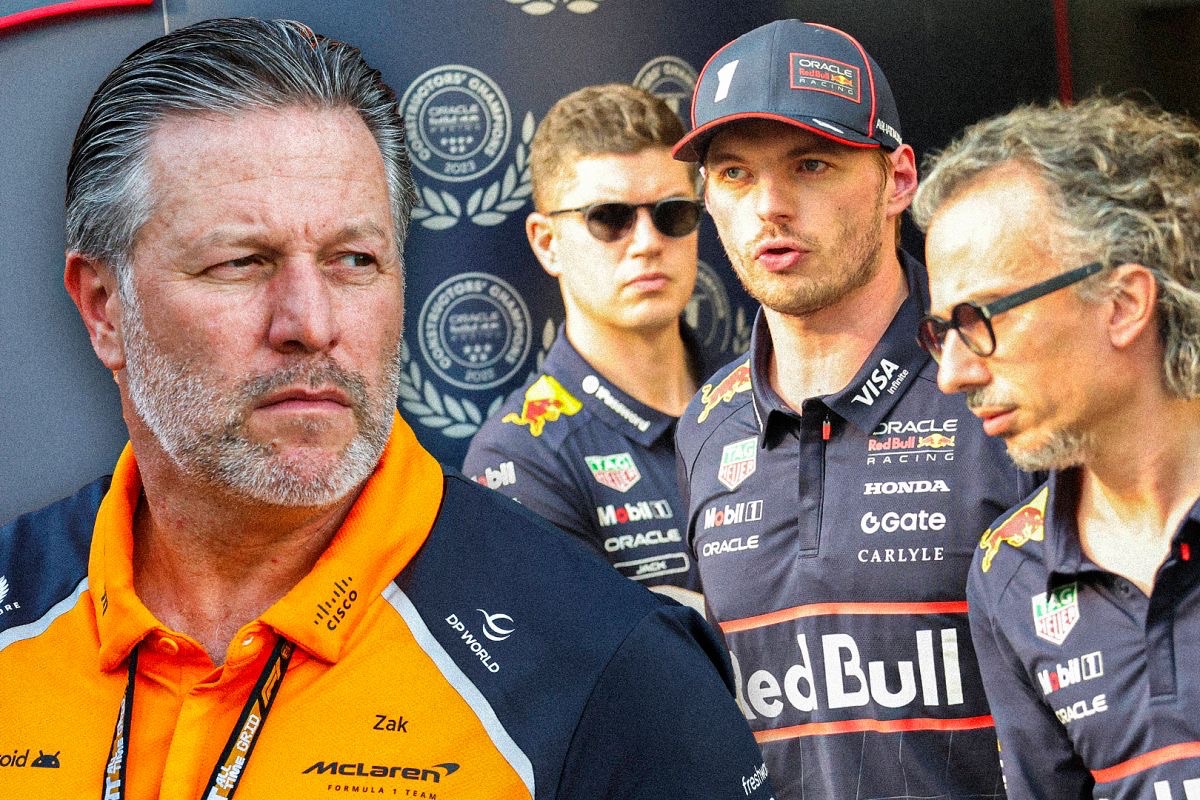
Tensions between the Formula One giants Red Bull Racing and McLaren appear to have cooled significantly after months of public disagreements and speculation surrounding the future of the sport’s 2026 engine regulations. What had previously developed into a heated exchange of comments, accusations, and competitive mind games has now shifted into a more respectful and measured relationship as both teams prepare for a major new era in Formula One.
The rivalry between the two teams has intensified in recent seasons, especially as McLaren emerged as a genuine challenger to Red Bull’s dominance on the grid. With the introduction of the all-new 2026 regulations approaching rapidly, several disagreements surfaced regarding engine development, financial rules, and competitive advantages. Executives from both teams had frequently exchanged pointed remarks in the media, creating what many fans described as an increasingly personal battle away from the racetrack.
Much of the disagreement centered around the upcoming power unit regulations for 2026. Red Bull Racing will enter the new era with its own in-house engine project developed alongside Ford, marking a major transition for the Milton Keynes-based outfit. The team’s new powertrain program represents one of the biggest technical gambles in Formula One history because Red Bull has traditionally relied on external engine suppliers such as Renault and Honda in previous championship-winning years.
On the other side, McLaren has continued its partnership with Mercedes power units while also investing heavily in new infrastructure, technology, and personnel. McLaren CEO Zak Brown had previously questioned whether Red Bull’s new engine project could immediately compete with the established manufacturers once the fresh regulations begin. Brown openly described Red Bull’s future power unit as an “unknown” because the company had never before produced a complete Formula One engine independently.
The public disagreements intensified when comments from both camps appeared to suggest concerns about competitive fairness heading into 2026. McLaren figures hinted that Red Bull could possess advantages as a works manufacturer under the future rules, while Red Bull officials defended their development process and accused rivals of attempting to create unnecessary controversy around their engine program.
There had also been lingering rumors regarding possible technical partnerships between the two teams. Speculation grew after respected Red Bull engineering figure Rob Marshall departed for McLaren in what many observers viewed as a surprisingly smooth transition. Some reports even suggested the move might have been connected to possible discussions over future engine supply arrangements. However, both organizations strongly denied that any hidden agreement existed between them.
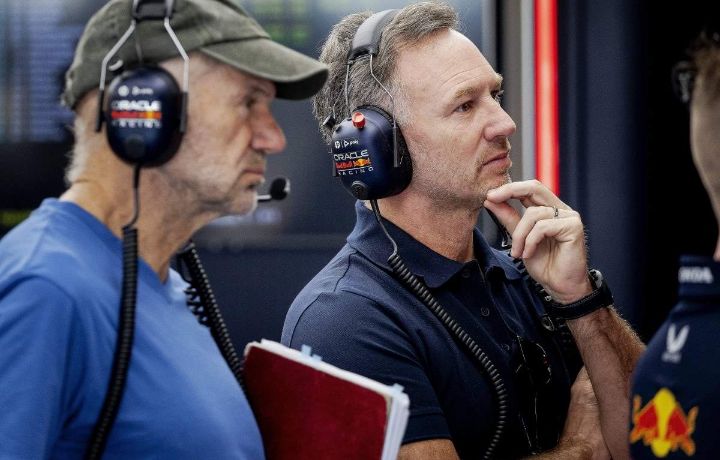
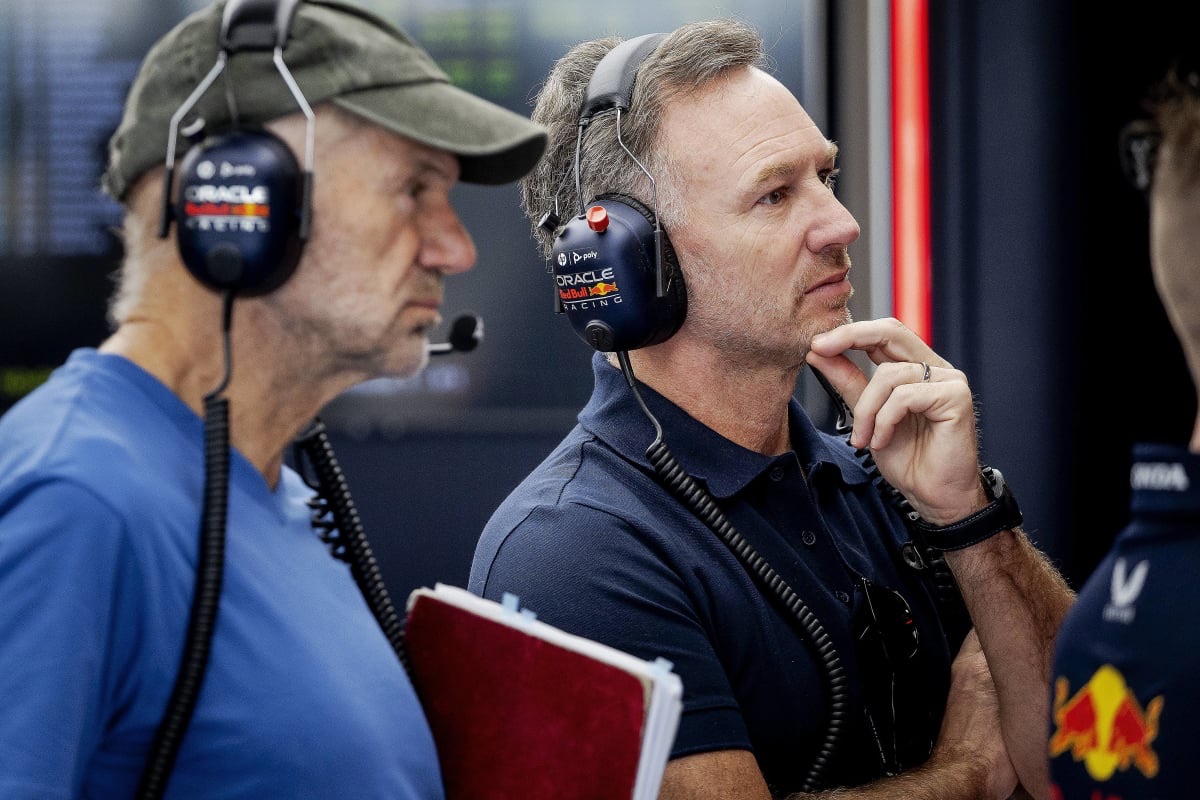
At the height of the controversy, Christian Horner and Zak Brown regularly exchanged subtle digs through interviews and media appearances. Every technical issue, engine concern, or cost cap debate seemed to trigger another round of accusations and defensive responses. Rivalries between Formula One teams are normal, but the increasingly public nature of these exchanges added extra drama to the championship battle and fueled intense fan debates online.
Despite all the noise, recent developments suggest the atmosphere has now changed significantly. Reports emerging from the paddock indicate that both teams have toned down the rhetoric and are instead focusing on their own preparations for the future. Senior figures from Red Bull and McLaren now appear more interested in avoiding distractions as the sport enters one of its biggest technical transitions in decades.
Interestingly, Zak Brown recently admitted he was impressed by the early signs coming from Red Bull’s new engine project after initial testing sessions. Brown acknowledged that many people within the paddock had been surprised by how competitive and reliable the Red Bull power unit appeared during early development work.
The McLaren boss explained that while he would obviously prefer Red Bull not to be a major threat, he respected the progress they had made in such a short period. His comments were viewed by many insiders as a significant softening of his earlier stance toward the Red Bull program. Instead of questioning their capability, Brown openly praised the amount of work Red Bull had completed and the competitiveness they were already showing.
That admission appears to have helped cool tensions between the two organizations. Rather than continuing a war of words, both sides now seem willing to acknowledge each other’s strengths ahead of the 2026 reset. Formula One insiders believe the realization that every team faces uncertainty under the new rules has encouraged a more respectful approach between rivals.
For Red Bull, the calming of tensions comes at an important time. The team has already faced enormous pressure regarding the success of its ambitious powertrain project. Questions remain about whether their partnership with Ford can immediately challenge experienced engine manufacturers such as Mercedes and Ferrari under the new regulations. Nevertheless, early reports from testing have generated optimism within the organization.
Meanwhile, McLaren’s own resurgence has transformed the team into one of Red Bull’s most serious competitors. The Woking-based outfit has invested heavily in infrastructure upgrades, including a new wind tunnel and expanded technical facilities. Combined with a strong driver lineup and improved race pace, McLaren believes it can challenge consistently for championships in the coming years.
The rivalry between the two teams is therefore unlikely to disappear completely. Both organizations remain determined to establish themselves as Formula One’s dominant force during the next regulation cycle. However, the aggressive public exchanges that once threatened to overshadow the sporting competition now appear to have eased considerably.
Fans have also noticed the change in tone. Social media discussions that previously focused on accusations and controversies are increasingly shifting back toward excitement over the technical battle awaiting Formula One in 2026. Many supporters believe the rivalry between Red Bull and McLaren could define the next era of the sport, particularly if both teams remain competitive under the new rules.
The upcoming regulation changes are expected to transform Formula One dramatically. The revised engines will place greater emphasis on electrical power and sustainable fuels while introducing a completely different aerodynamic philosophy. Teams are therefore balancing current championship ambitions with long-term development priorities, making cooperation and diplomacy more important than ever.
Although tensions have cooled publicly, the competitive battle between Red Bull and McLaren is still expected to intensify once the new era officially begins. Both teams possess world-class engineering talent, ambitious leadership, and massive financial backing. As a result, many believe their rivalry could become the defining story of Formula One’s future.
For now, though, the public feud appears to have ended — at least temporarily. Instead of trading insults through the media, Red Bull and McLaren seem prepared to let their cars and engines do the talking on the racetrack.