
FIA Calls Formula One Rivals to Hearing as Monaco Penalty Controversy Continues Ahead of Austrian Grand Prix
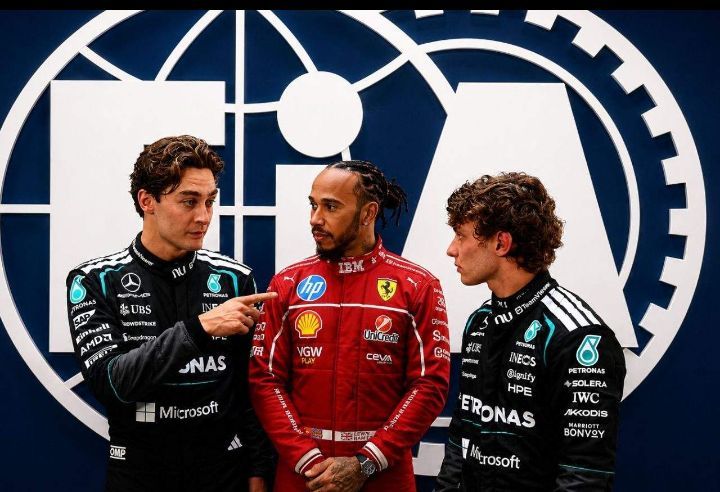
A fresh chapter in one of Formula One’s most controversial off-track disputes of the 2026 season is set to unfold at the Austrian Grand Prix after rival teams were summoned for discussions with the FIA regarding a highly debated penalty decision stemming from the Monaco Grand Prix.
What initially appeared to be a settled race result has evolved into a complex legal and sporting debate involving several teams, drivers, and Formula One’s governing body. The controversy centers around Alpine driver Pierre Gasly, whose Monaco Grand Prix result was dramatically altered days after the race had concluded, triggering widespread debate throughout the paddock.
Gasly crossed the finish line in Monaco in a strong podium position and initially appeared to have secured one of the best results of his season. However, celebrations quickly turned into disappointment when race officials handed the French driver two separate five-second penalties for alleged pit-lane speeding infringements. Those penalties dropped him down the order, significantly affecting both his championship points tally and Alpine’s position in the constructors’ standings.
The decision was met with immediate frustration from Alpine, which maintained that Gasly had complied with the regulations and that the penalties were based on flawed information. Determined to challenge the ruling, the team launched a formal review process with the FIA, presenting technical evidence that questioned the accuracy of the timing system used during the race.
Following an extensive examination of the evidence, officials discovered a discrepancy involving the measurement of the Monaco pit lane. According to findings presented during the review, the pit lane had been measured incorrectly, causing the timing system to record several drivers as exceeding the speed limit when they had actually remained within legal limits.
The revelation prompted the FIA to overturn Gasly’s penalties, restoring his original finishing position and awarding him the podium result he had initially earned on track. While the decision was welcomed by Alpine, it immediately sparked anger among rival teams that had been affected by the revised classification.
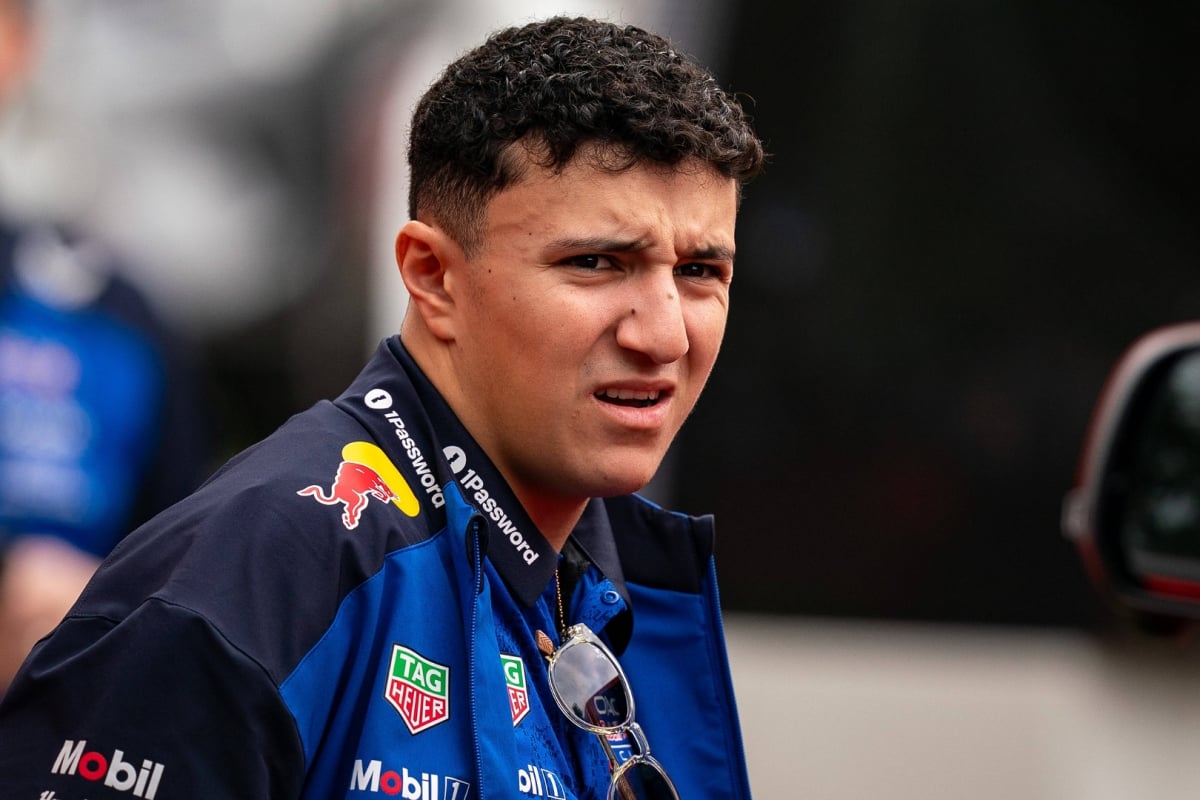
Among the most impacted competitors was Racing Bulls driver Isack Hadjar. The young French driver had originally been promoted onto the Monaco podium after Gasly’s penalties were applied. The FIA’s reversal subsequently removed Hadjar from that podium position and altered the distribution of championship points.
The situation also affected several other drivers who either gained or lost positions depending on which version of the race classification was used. Teams that had accepted the original result suddenly found themselves losing valuable points after the FIA’s review, creating a wave of dissatisfaction across the paddock.
As a result, representatives from multiple teams are now expected to meet with FIA officials during the Austrian Grand Prix weekend to further discuss the matter and determine whether additional action should be taken. The discussions are expected to focus on the fairness of the review process, the timing error itself, and whether current regulations provide adequate protection against similar incidents in the future.
One of the most controversial aspects of the case involves drivers who served penalties during the Monaco race. Unlike post-race time penalties that can be overturned after a review, penalties served during the race cannot easily be reversed. This has led to concerns that some competitors may have suffered lasting consequences despite the FIA later acknowledging that a timing issue existed.
Several drivers have publicly questioned whether the championship can maintain consistency if race results are altered days after the chequered flag. Critics argue that while correcting mistakes is important, changing classifications after podium ceremonies and official celebrations risks undermining confidence in the sport’s officiating procedures.
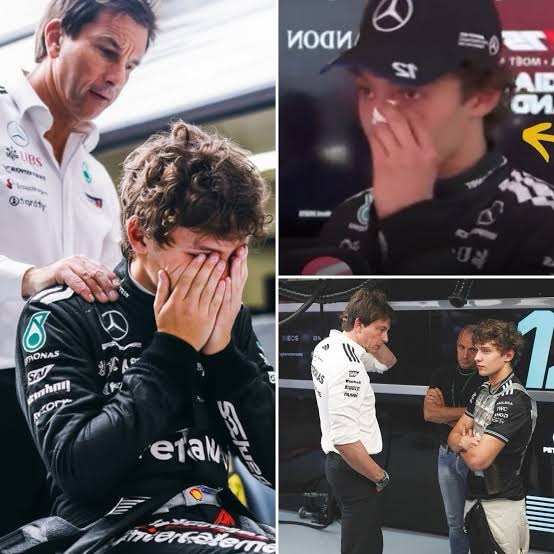
Mercedes has reportedly been among the teams examining its options following the revised result. Team officials have expressed frustration that some competitors benefited from the review process while others who were affected by the same timing issue had no practical way to recover lost opportunities during the race itself.
The debate has also reignited discussions about Formula One’s increasingly complex regulatory framework. Modern Grand Prix weekends generate vast amounts of data, with timing systems, telemetry, and electronic monitoring playing crucial roles in enforcing sporting regulations. While these technologies are designed to improve accuracy, the Monaco incident demonstrated that even highly sophisticated systems remain vulnerable to errors.
FIA officials have acknowledged concerns raised by teams and have indicated that lessons will be learned from the controversy. The governing body is expected to examine whether procedural changes are necessary to prevent similar situations from occurring in future races.
Beyond the immediate championship implications, the case has become a wider conversation about fairness and transparency in Formula One. Team principals have emphasized the importance of ensuring that all competitors operate under the same conditions and that any errors are identified as quickly as possible before they affect race outcomes.
The controversy arrives at a particularly sensitive point in the season, with several teams locked in tight championship battles. Every point can prove decisive over the course of a campaign, making disputes over race classifications even more significant than they might otherwise be.
As the Formula One paddock gathers at the Red Bull Ring for the Austrian Grand Prix, attention will not be focused solely on track action. Many observers will be closely monitoring developments behind the scenes as teams continue to challenge and defend positions regarding the Monaco decision.
Drivers have generally attempted to remain focused on the racing, but many acknowledge that the outcome of the discussions could influence how future disputes are handled. The case may ultimately set an important precedent for how Formula One deals with timing errors, appeals, and post-race revisions moving forward.
For Gasly, the restored podium represented vindication after weeks of uncertainty and frustration. For others, however, the decision remains a source of ongoing concern. The differing perspectives underline the complexity of a situation in which multiple competitors believe they have legitimate grievances.
The FIA now faces the difficult task of balancing the need to correct mistakes with the necessity of maintaining confidence in race results. Whatever conclusions emerge from the Austrian Grand Prix discussions, the Monaco controversy has already become one of the defining regulatory stories of the 2026 Formula One season.
With rival teams preparing to present their arguments and officials expected to review the broader implications of the case, the debate is far from over. The outcome could have lasting consequences not only for those directly involved but also for the future administration of Formula One itself, making the Austrian Grand Prix a crucial moment in an already dramatic championship campaign.