
George Russell’s Belgian Grand Prix weekend ultimately unraveled into a frustrating and costly chapter in his 2026 Formula 1 campaign, as the Mercedes driver saw his championship hopes take a notable hit following an early retirement at the iconic Spa-Francorchamps circuit. What had begun as a promising opportunity to close the gap in the title standings instead turned into a race defined by misfortune, leaving Russell to reflect on what might have been.
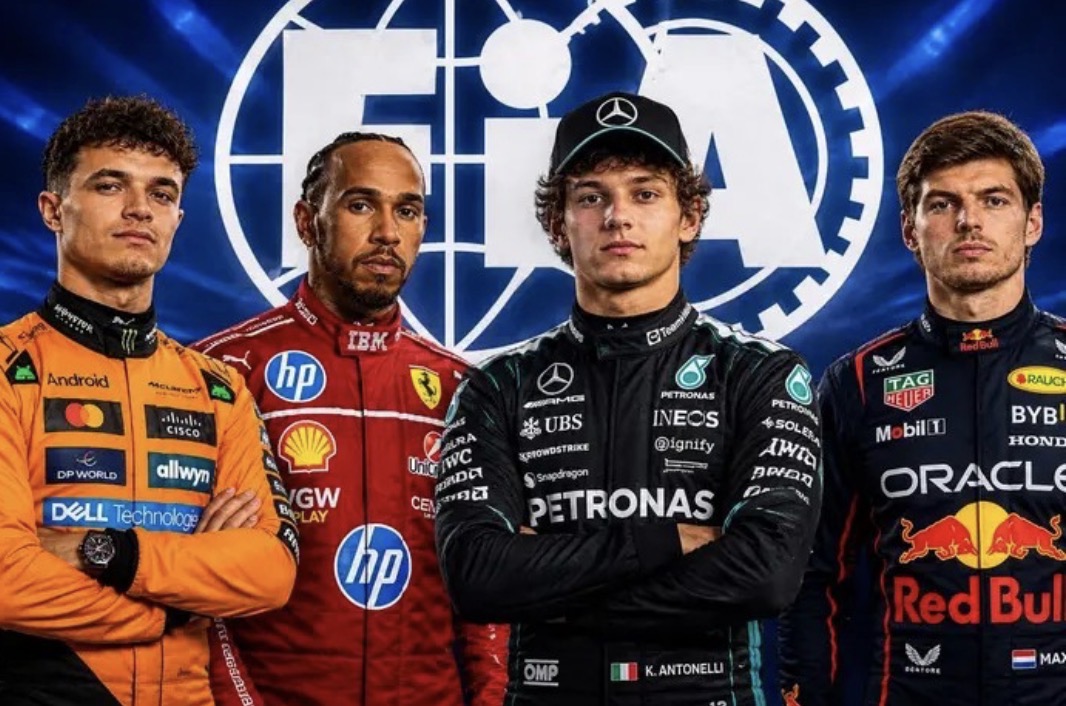
Heading into the Belgian Grand Prix, Russell had positioned himself as one of the primary contenders in the championship battle. Sitting just behind his Mercedes team-mate Kimi Antonelli in the standings, he arrived in Belgium with a clear objective: reduce the points deficit and strengthen his claim as a serious title challenger. With several races still remaining on the calendar, Spa represented a crucial opportunity to apply pressure and potentially shift the momentum in his favor.
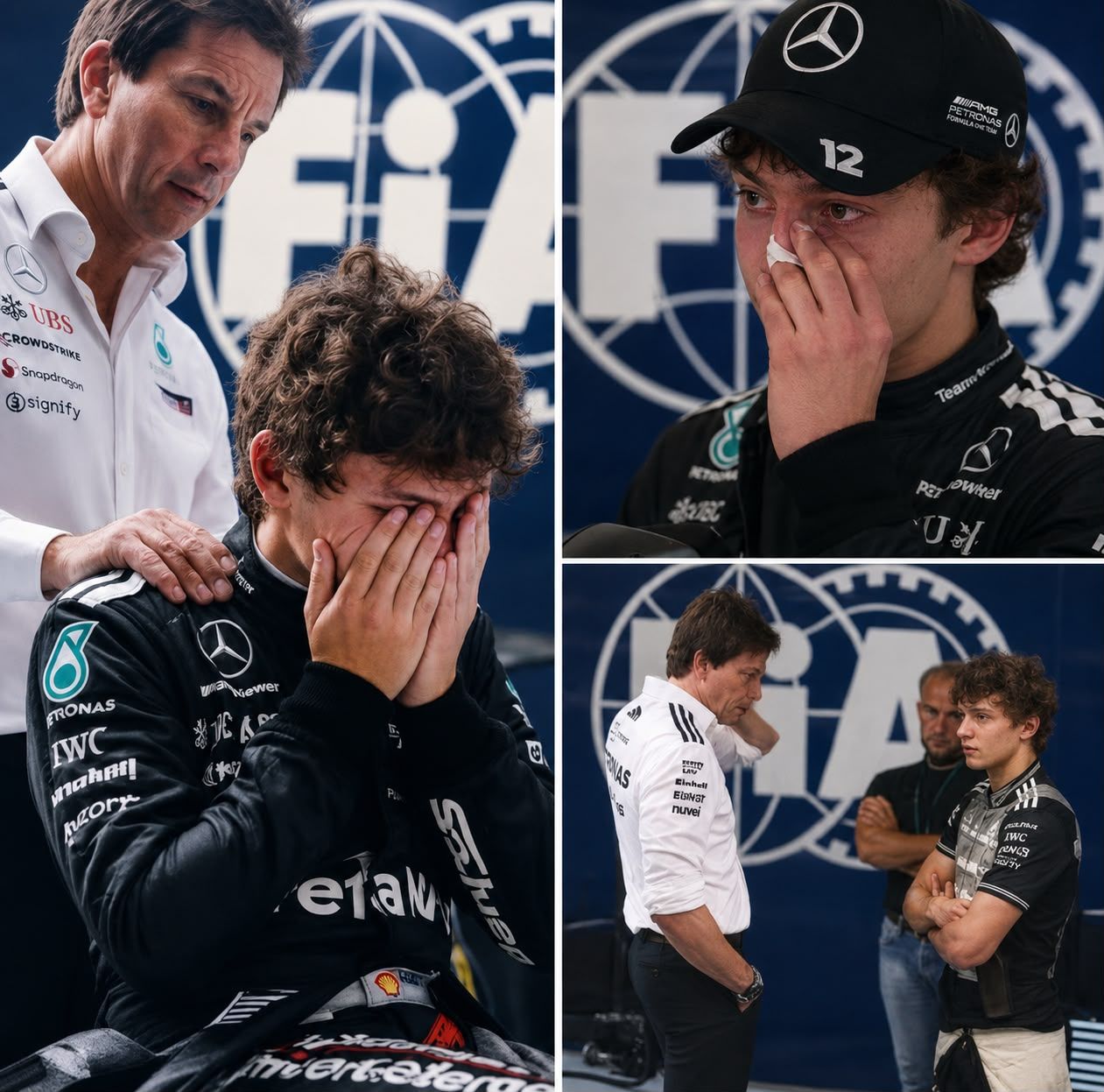
However, those ambitions were cut short almost immediately after the race began. In the chaos of the opening lap a moment often filled with tight battles and limited margin for error Russell became entangled in a collision with Ferrari driver Lewis Hamilton. The incident unfolded within seconds of the start, leaving little room for recovery or strategic intervention. As a result of the contact, Russell’s car sustained damage significant enough to force his retirement from the race before he could complete even a single lap.
The early exit was particularly painful not only because of the lost opportunity to score points, but also because of the broader implications for the championship standings. In Formula 1, consistency is often as critical as outright performance, and a zero-point result can have far-reaching consequences in a tightly contested title fight. For Russell, the Belgian Grand Prix became a stark reminder of how quickly fortunes can change in the sport.
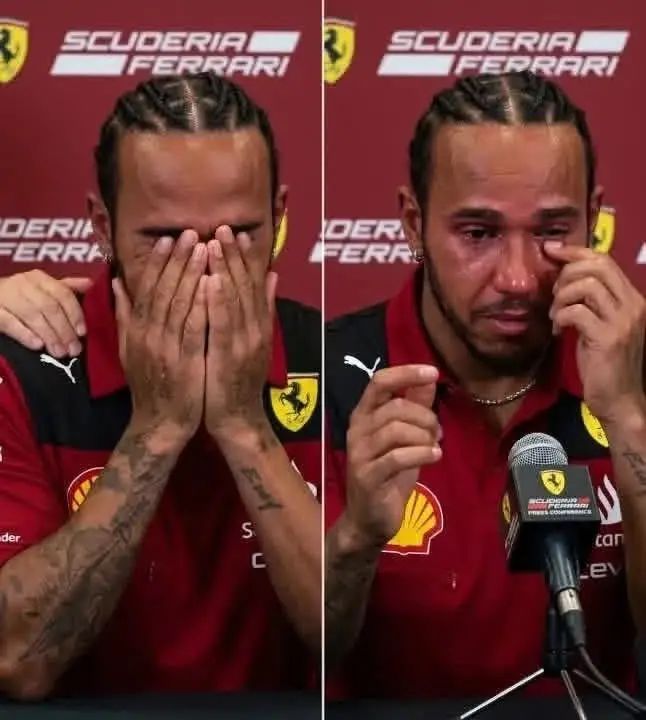
Following an investigation into the first-lap collision, race stewards determined that Lewis Hamilton bore responsibility for the incident and issued the Ferrari driver a five-second time penalty. While the decision provided some degree of acknowledgment regarding the circumstances of the crash, it ultimately offered little consolation to Russell. The penalty did not reverse the damage already done to his race, nor did it restore the points he had hoped to gain.
Hamilton, despite the time penalty, managed to continue his race and finish in a position that allowed him to collect valuable championship points. Those points proved to be highly significant, as they enabled him to move ahead of Russell in the drivers’ standings. The shift in positions meant that Russell, who had arrived at Spa as Antonelli’s closest rival, dropped from second to third in the championship hierarchy.
This change in the standings marked a substantial setback for the Mercedes driver. Throughout the season, Russell had demonstrated strong form, consistency, and the ability to capitalize on opportunities. His performances had positioned him as a legitimate contender for the title, and expectations were high as the championship battle intensified. However, the events at Spa disrupted that trajectory, forcing him to concede ground at a critical stage of the campaign.
Despite the disappointment, the championship fight remains far from decided. Formula 1 seasons are long and often unpredictable, with numerous twists and turns still to come. Russell remains within reach of the leaders, and his earlier performances have shown that he possesses both the pace and the determination required to compete at the highest level. Nevertheless, the margin for error has now become significantly smaller, and the pressure to deliver strong results in the upcoming races has increased.
For Mercedes, the focus will now shift toward regrouping and ensuring that Russell can bounce back from this setback. The team has been competitive throughout the season, and maintaining that level of performance will be essential if they are to support their driver’s championship ambitions. Strategic execution, reliability, and race-day precision will all play crucial roles in the remaining rounds.
The Belgian Grand Prix also served as a broader illustration of the unpredictable nature of Formula 1. Even the most well-prepared drivers and teams can find their plans undone in an instant, particularly during the opening laps of a race where the field is tightly packed and incidents are more likely to occur. In such an environment, the difference between success and disappointment can hinge on split-second decisions and unavoidable circumstances.
For Russell, the challenge now lies in putting the events of Spa behind him and refocusing on the races ahead. Mental resilience will be key, as drivers must often recover quickly from setbacks in order to remain competitive. With the championship still within reach, there is every incentive for him to respond strongly and reassert himself in the title fight.
As the Formula 1 season progresses, all eyes will be on how Russell and Mercedes respond to this adversity. The Belgian Grand Prix may have dealt a blow to his campaign, but it has not ended his chances. Instead, it has added another layer of intrigue to an already compelling championship battle, reminding fans and competitors alike that in Formula 1, fortunes can change in the blink of an eye.
Ultimately, Russell’s early retirement at Spa-Francorchamps will be remembered as a pivotal moment in his season—a race where opportunity slipped away, but not one that defines the entirety of his campaign. With determination, consistency, and perhaps a bit of racing luck, he still has the potential to turn things around and re-enter the fight for the world title in the races to come.