The FIA have confirmed another important adjustment to Formula 1’s 2026 regulations ahead of qualifying for the Canadian Grand Prix, with a revised battery energy limit set to play a major role in how teams approach the weekend in Montreal.
According to the FIA’s official event notes for the Circuit Gilles Villeneuve, the maximum permitted energy recharge per lap during both sprint qualifying and grand prix qualifying has been reduced to 6MJ. That figure is significantly lower than the 8.5MJ allowance used during practice sessions and also below the energy allocation permitted during sprint races and the grand prix itself, where teams can use up to 8MJ without overtake mode and 8.5MJ when overtake systems are activated.
The change represents the latest attempt by Formula 1’s governing body to fine-tune the sport’s controversial 2026 power unit regulations, which have dramatically increased the importance of electrical energy management.
Under the new engine rules introduced this season, drivers are relying far more heavily on battery deployment and energy harvesting than in previous years. While the regulations were designed to improve efficiency and sustainability, they have also created major frustrations across the grid. Drivers have repeatedly complained that they are unable to push flat-out through entire qualifying laps because doing so can leave them critically short of battery energy later in the lap.
That issue has become especially noticeable during qualifying sessions, where even tiny compromises can cost valuable grid positions. Drivers have often been forced to carefully balance when to deploy energy and when to harvest it back under braking, rather than simply attacking every corner at maximum pace.
By lowering the recharge limit to 6MJ for qualifying in Canada, the FIA hopes to reduce the amount of aggressive energy harvesting required throughout the lap. The expectation is that drivers will spend less time lifting off the throttle to recover battery power and more time driving on the limit.
In simple terms, the governing body wants qualifying laps to look and feel more natural again.
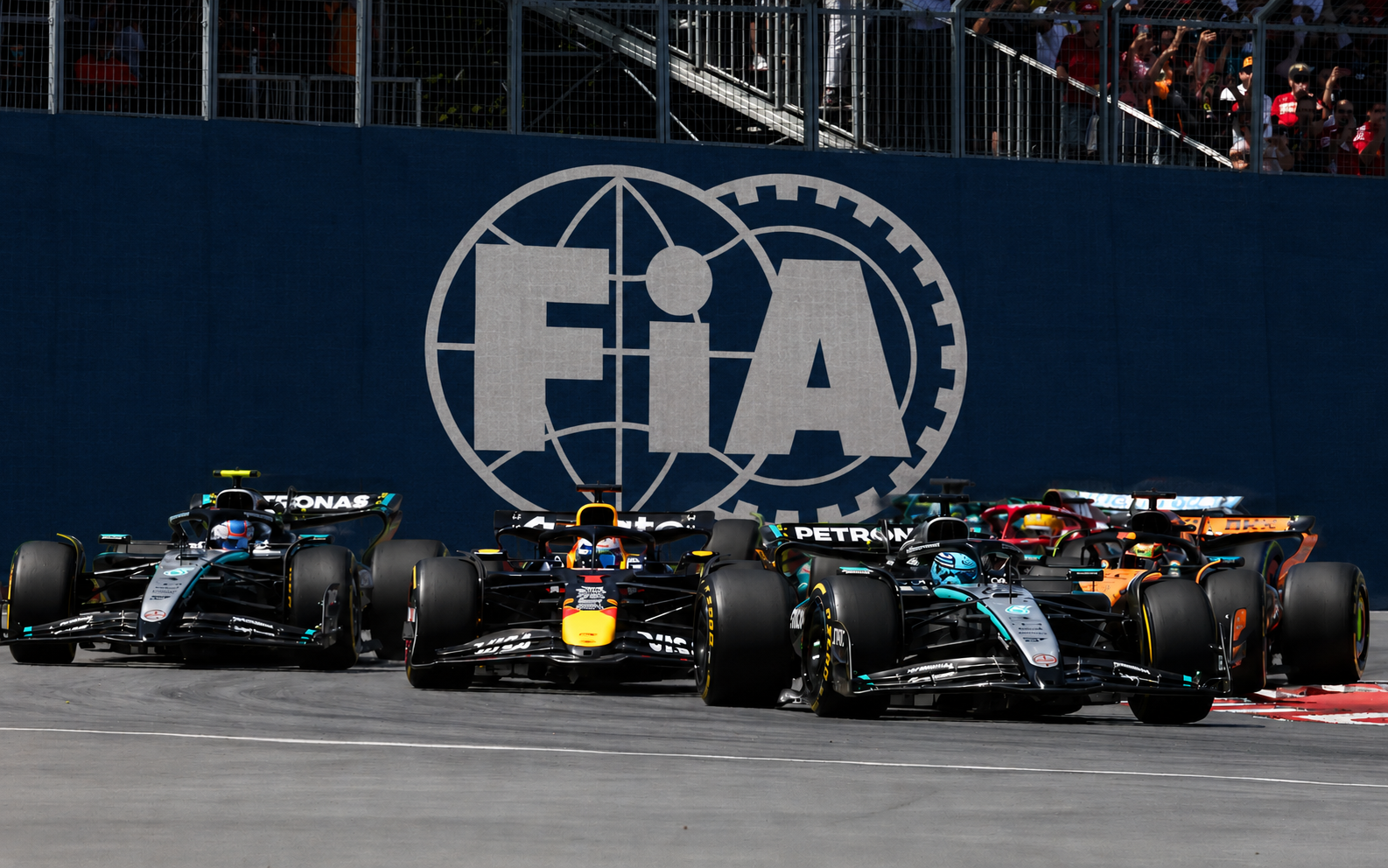
The Circuit Gilles Villeneuve provides a fascinating venue for this experiment because of its unique layout. Montreal’s track is famous for its heavy braking zones, sharp traction areas and long straights, all of which create complex energy management demands. While the layout offers several opportunities for harvesting energy under braking, it also forces teams to make difficult decisions about where battery power should be deployed for maximum lap time gains.
Qualifying is expected to be where the FIA’s changes are felt most strongly. Teams will still need to carefully manage their energy usage, particularly through the circuit’s lengthy flat-out sections, but the reduced recharge target should make all-out attacking laps easier to achieve.
The Canadian Grand Prix may now become one of the clearest indicators yet of whether the FIA’s ongoing tweaks can solve the energy management concerns surrounding Formula 1’s new era. If the changes succeed, qualifying could return to a more aggressive, driver-focused spectacle. If not, questions over the sport’s growing battery dependence are only likely to intensify.