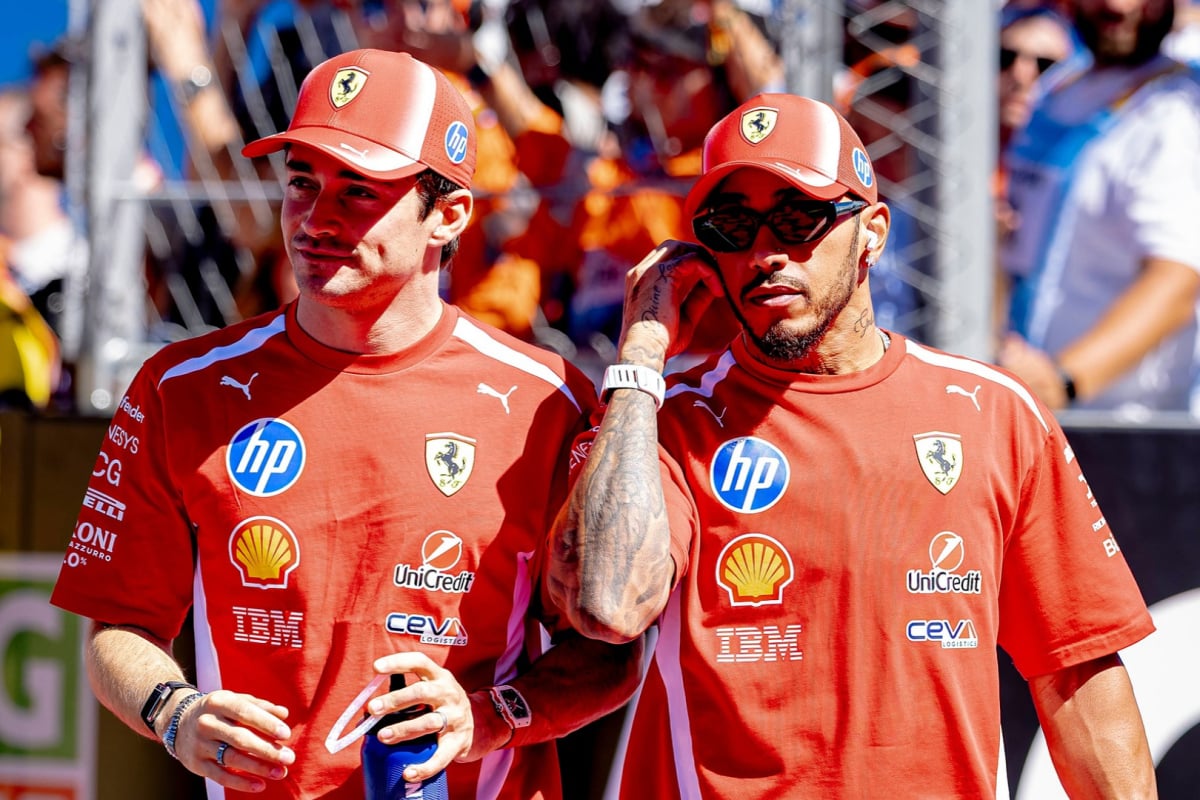
The FIA has officially activated its heat hazard procedures ahead of this weekend’s Austrian Grand Prix, with soaring temperatures expected to create one of the hottest race weekends of the 2026 Formula 1 season.
Weather forecasts for Spielberg indicate that temperatures will remain well above the FIA’s heat-hazard threshold throughout the event, prompting officials to take additional precautions to protect drivers, team personnel, marshals and fans attending the race at the Red Bull Ring.
Under current FIA regulations, a heat hazard can be declared whenever ambient temperatures are expected to rise above 31 degrees Celsius during a Grand Prix weekend. Forecasts for Austria comfortably exceed that figure, with temperatures predicted to reach around 33°C on Friday, climb to 35°C during Saturday’s qualifying sessions, and peak at approximately 36°C on race day.
The warning comes as a significant heatwave continues to affect large parts of Europe, bringing unusually high temperatures to several countries. Austria is among the regions expected to experience particularly intense conditions, with the Styrian hills around the Red Bull Ring set to bake under strong sunshine throughout the weekend.
For Formula 1 drivers, the extreme weather could present a major physical challenge. Cockpit temperatures are often significantly higher than the surrounding air temperature, meaning drivers may endure conditions approaching or even exceeding 50°C inside their cars during long race stints. Combined with the intense G-forces experienced around the circuit, the heat can place enormous strain on the body and increase the risk of dehydration and fatigue.
Teams are expected to take extra measures to help their drivers cope with the conditions. Hydration strategies will become even more important than usual, while engineers will closely monitor cooling systems to ensure both drivers and power units can operate effectively in the scorching weather.
The Austrian Grand Prix has historically produced demanding races due to its high-altitude location and fast, flowing layout. This year, however, the heat could add an entirely new layer of complexity to the event. Tyre management may become a crucial factor as the elevated track temperatures could accelerate tyre degradation and force teams to rethink their race strategies.
Fans attending the race have also been advised to prepare for the intense sunshine. Organisers are expected to provide guidance regarding hydration, sun protection and access to shaded areas around the circuit to minimise the impact of the extreme temperatures.
While the hot weather is unlikely to disrupt the event schedule, it could significantly influence the competitive picture on track. Some cars traditionally perform better in warmer conditions, while others can struggle with cooling and tyre wear when temperatures rise.
As Formula 1 arrives in Austria following a dramatic run of races, teams now face an additional challenge beyond outright performance. With temperatures forecast to remain far above the FIA’s heat-hazard threshold throughout the weekend, managing the heat may prove just as important as finding speed around the Red Bull Ring.
The stage is therefore set for a physically demanding Austrian Grand Prix, where both drivers and machinery will be pushed to their limits under the blazing summer sun.