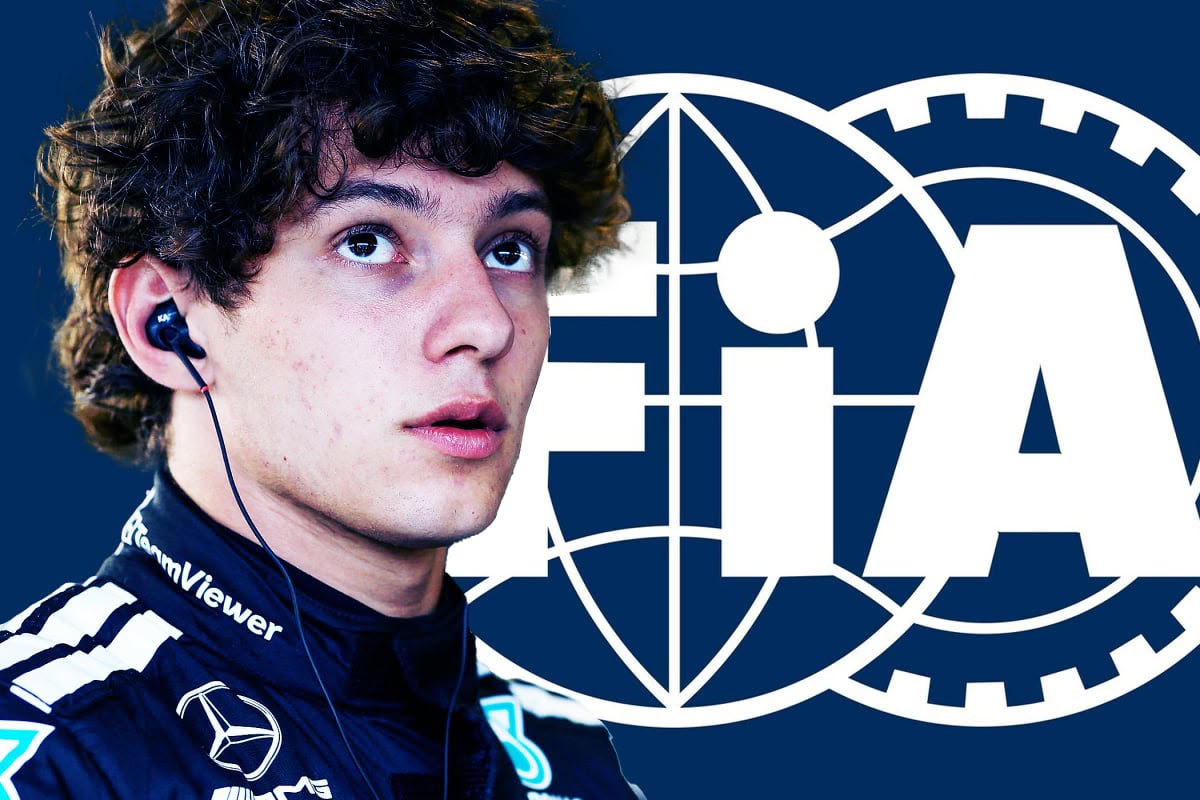

The FIA has officially delivered its verdict regarding Mercedes driver Kimi Antonelli following an investigation into his actions during the Barcelona Grand Prix weekend, bringing clarity to an incident that had attracted significant attention throughout the paddock. The young Italian, who has rapidly emerged as one of Formula 1’s most talked-about talents, found himself under scrutiny after a moment of frustration during the final practice session led to questionable on-track behavior.
Antonelli, who entered the Barcelona weekend riding high on confidence after a string of impressive performances—including a dominant victory in Monaco—was once again expected to be among the front-runners. As the current championship leader, the pressure to maintain his momentum was immense, and expectations surrounding his performance in Spain were equally high. However, events during Free Practice 3 (FP3) introduced an unexpected twist to his otherwise strong campaign.
The incident in question occurred during a crucial phase of FP3, when drivers were attempting to complete their qualifying simulations. Antonelli, pushing hard to set a competitive lap time, encountered traffic—a common issue at the Circuit de Barcelona-Catalunya. As he approached Turn 1, he came up behind Aston Martin driver Lance Stroll, who inadvertently impeded his progress. Forced to lift off the throttle and abandon his initial attempt, Antonelli’s frustration became evident.
Shortly after passing Stroll, Antonelli reacted in a manner that drew the attention of race stewards. He applied the brakes in front of the Aston Martin, effectively preventing Stroll from continuing at normal speed. This maneuver was deemed unusual and potentially dangerous, prompting officials to launch an investigation into what they described as “erratic driving.”
Following the session, Antonelli was summoned to appear before the stewards. During the hearing, officials reviewed multiple forms of evidence, including video footage, telemetry data, and onboard camera recordings. The comprehensive analysis aimed to determine whether Antonelli’s actions violated the FIA’s sporting regulations and whether a penalty was warranted.
In their final report, the stewards concluded that Antonelli’s behavior did indeed constitute erratic driving. They noted that after being impeded by Stroll, Antonelli overtook him and then deliberately slowed down in front of the Aston Martin, hindering its progress. This sequence of actions was considered avoidable and inconsistent with the standards expected of Formula 1 drivers.
However, the circumstances surrounding the incident played a crucial role in determining the severity of the punishment. Antonelli openly admitted during the hearing that his actions were driven by frustration. He acknowledged that his reaction was inappropriate and issued an apology for his conduct. His honesty and willingness to take responsibility were viewed positively by the stewards.
As a result, the FIA opted to impose a relatively lenient penalty. Instead of issuing a grid drop, time penalty, or penalty points on his super licence, Antonelli was handed an official reprimand—his first of the season. This type of sanction serves as a formal warning rather than a punishment that directly impacts race results or championship standings.
The decision reflects a balanced approach by the governing body, taking into account both the nature of the incident and the driver’s response. While the stewards made it clear that such behavior is unacceptable, they also recognized that the situation arose in the heat of competition and did not result in a collision or serious danger.
For Antonelli, the reprimand represents a minor setback rather than a major blow. Crucially, it does not affect his grid position for the Barcelona Grand Prix, allowing him to continue his pursuit of another victory without additional obstacles. Given his strong form throughout the season, he remains a leading contender despite the controversy.
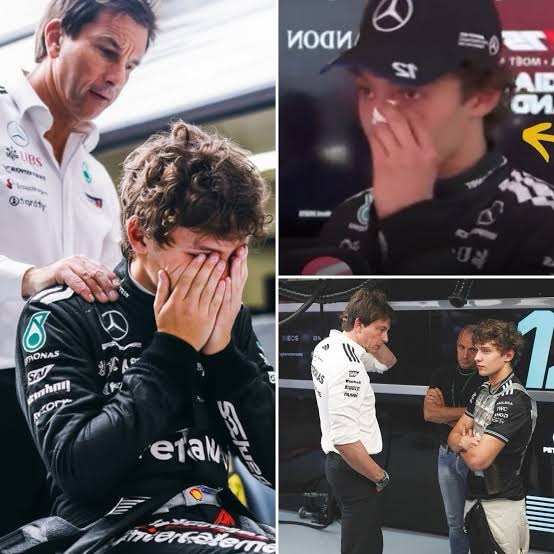
The incident also highlights the intense pressures faced by drivers at the highest level of motorsport. Even the most composed competitors can experience moments of frustration, particularly when external factors such as traffic compromise their performance. In Antonelli’s case, the desire to extract maximum performance from his car during a critical session ultimately led to a lapse in judgment.
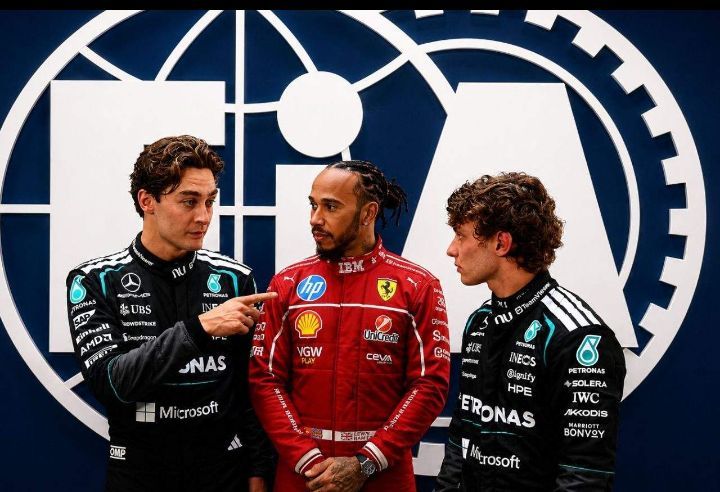
Meanwhile, the Barcelona weekend itself has been filled with drama beyond this particular episode. From competitive lap times to incidents involving other drivers, the event has underscored the unpredictable nature of Formula 1. Antonelli’s teammate, George Russell, showed strong pace during practice, adding another layer of intrigue to Mercedes’ internal dynamics as both drivers vie for supremacy.
Looking ahead, Antonelli will undoubtedly aim to put the incident behind him and focus on delivering a strong performance in both qualifying and the race. His ability to learn from such moments will be key to sustaining his championship challenge. As a young driver still early in his Formula 1 career, these experiences are part of his development and growth within the sport.
The FIA’s handling of the situation also reinforces its commitment to maintaining fairness and safety while allowing room for human factors. By issuing a reprimand rather than a harsher penalty, the stewards have sent a clear message without disproportionately affecting the competitive landscape.
Ultimately, the verdict serves as a reminder of the fine line drivers must navigate between aggression and control. In a sport where milliseconds matter, emotions can sometimes run high, but maintaining discipline remains essential. For Antonelli, this episode may prove to be a valuable lesson as he continues his rise in Formula 1.
With the championship battle intensifying and competition growing fiercer, all eyes will remain on the young Italian to see how he responds. If his previous performances are anything to go by, Antonelli has both the talent and resilience to move past this incident and continue making headlines for the right reasons.