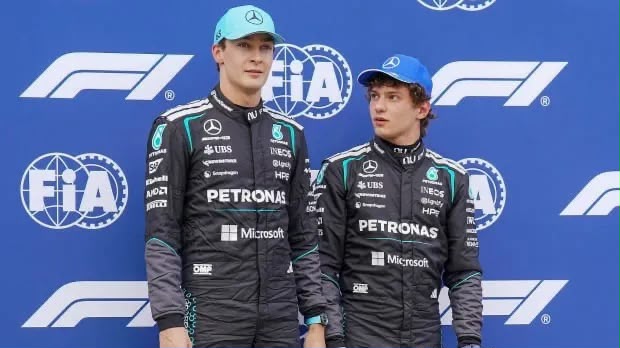

FIA Issues Penalty Verdict for Mercedes Drivers Following Monaco Grand Prix Practice Incidents
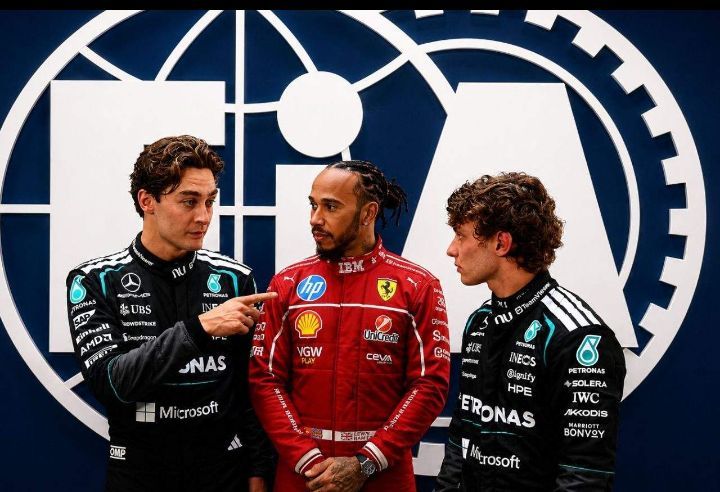
The FIA has officially announced its verdict involving Mercedes drivers George Russell and Kimi Antonelli after separate incidents during the Monaco Grand Prix weekend resulted in breaches of Formula 1 regulations. While neither driver received a sporting penalty that would affect their qualifying or race positions, the governing body confirmed that Mercedes would face financial sanctions following the infractions.
The incidents occurred during practice sessions at the iconic Circuit de Monaco, where teams and drivers were preparing for one of the most important weekends of the Formula 1 season. Monaco is widely regarded as one of the most challenging circuits on the calendar, with its narrow streets, unforgiving barriers, and constant demand for precision creating unique pressures for competitors throughout the weekend.
According to the FIA’s official findings, both George Russell and Kimi Antonelli exceeded the pit-lane speed limit during separate moments in practice. Although the violations were relatively minor, Formula 1 regulations require strict enforcement of pit-lane speed restrictions regardless of the margin by which the limit is exceeded.
Race officials reviewed telemetry and timing data before confirming that the Mercedes drivers had each surpassed the designated speed limit while entering or travelling through the pit lane. As a result, financial penalties were issued to the team in accordance with the FIA Sporting Regulations.
The pit lane is one of the most heavily monitored areas during a Formula 1 event. Teams and drivers must comply with precise speed restrictions designed to protect mechanics, officials, and other personnel working in the pit area. Even a slight excess over the permitted speed can trigger an automatic review by race stewards.
While some fans may view such penalties as insignificant, Formula 1 authorities have consistently maintained a strict approach to pit-lane safety. The FIA’s position is that applying regulations uniformly is essential for maintaining fairness and ensuring safety standards are upheld across every race weekend.
For Mercedes, the penalties represented an unwelcome distraction during a weekend in which the team was expected to challenge for strong qualifying and race results. The Silver Arrows arrived in Monaco carrying considerable momentum after a series of competitive performances earlier in the season.
George Russell has emerged as one of Mercedes’ key championship contenders this year. The British driver has demonstrated impressive consistency and pace throughout the campaign, regularly battling at the front of the field against some of Formula 1’s biggest names. His experience has proven valuable as Mercedes continue their pursuit of both Drivers’ and Constructors’ Championship success.
Meanwhile, rookie sensation Kimi Antonelli has continued to attract attention throughout his debut season. The young Italian has exceeded expectations with a series of mature performances and has quickly established himself as one of the brightest talents in the Formula 1 paddock. His ability to adapt to the demands of the sport has earned praise from team management, rivals, and fans alike.
The FIA’s decision means neither Russell nor Antonelli will suffer any grid penalties or championship point deductions. Instead, the punishment is limited to financial fines imposed on Mercedes. Such penalties are relatively common during Formula 1 weekends and are generally considered administrative sanctions rather than serious sporting punishments.
Nevertheless, teams place significant importance on avoiding any form of infringement. Formula 1 operates in an environment where precision is critical, and even minor mistakes can have consequences. Team principals often emphasize the importance of flawless execution, particularly at circuits such as Monaco where every detail can influence the outcome of a race weekend.
The Monaco Grand Prix presents a unique challenge compared to other races on the Formula 1 calendar. The circuit’s tight layout means that overtaking opportunities are scarce, placing enormous importance on qualifying performance and track position. Consequently, teams focus intensely on preparation, strategy, and operational accuracy.
Any distraction, including regulatory breaches, can potentially disrupt a team’s momentum. For Mercedes, however, the relatively minor nature of the penalties means attention quickly shifted back toward maximizing performance on track.
The incidents involving Russell and Antonelli were not isolated occurrences during the Monaco weekend. Several teams and drivers across the paddock have historically fallen foul of pit-lane speed regulations at various events throughout the season. The combination of intense pressure, changing conditions, and the pursuit of marginal gains can occasionally lead to minor miscalculations.
Modern Formula 1 cars are equipped with speed-limiting systems designed to help drivers remain within the prescribed pit-lane speed limit. However, drivers still bear ultimate responsibility for ensuring compliance with the regulations. Small variations in braking, acceleration, or system engagement can sometimes result in marginal breaches.
Despite the penalties, Mercedes remained optimistic about their prospects for the remainder of the Monaco weekend. The team’s engineers continued working to fine-tune the car’s setup, while both drivers focused on extracting maximum performance ahead of qualifying.
Qualifying at Monaco is often described as the most important session of the entire race weekend. Due to the circuit’s limited overtaking opportunities, securing a strong starting position can significantly improve a driver’s chances of achieving a positive result on race day. Many Monaco Grands Prix have effectively been decided by qualifying performances rather than race pace alone.
Russell, in particular, was expected to be among the contenders for a strong grid position. The British driver has consistently demonstrated his ability to perform under pressure and has produced several impressive qualifying laps throughout his Formula 1 career.
Antonelli also entered qualifying with growing confidence. The young Italian’s fearless approach and natural speed have already delivered several memorable performances this season, and Monaco presented another opportunity for him to showcase his talent on one of the sport’s most prestigious stages.
Mercedes team principal Toto Wolff has repeatedly emphasized the importance of maintaining focus and discipline throughout a race weekend. While acknowledging that mistakes can occur, Wolff has consistently stressed the need for the team to learn from every incident and continue improving.
The FIA’s verdict ultimately serves as another reminder of Formula 1’s commitment to enforcing regulations regardless of the scale of an infringement. Whether the violation involves a fraction of a second on track or a slight excess in pit-lane speed, officials remain committed to applying the rules consistently across the grid.
As the Monaco Grand Prix weekend continued, the focus quickly returned to the on-track battle. With Ferrari, Red Bull, McLaren, and Mercedes all fighting for competitive positions, the stage was set for another dramatic chapter in the 2026 Formula 1 season.
For Mercedes, the financial penalties are unlikely to have any lasting impact on their championship ambitions. Instead, they represent a minor setback in an otherwise highly competitive campaign. Both George Russell and Kimi Antonelli remain firmly focused on delivering strong results as the battle for points, podiums, and victories intensifies.
While the FIA’s announcement generated headlines throughout the paddock, the team’s primary objective remains unchanged: converting their pace into championship success. With the season entering a crucial phase and competition becoming increasingly intense, Mercedes will be determined to ensure that future headlines focus on their performance on the track rather than administrative penalties off it.