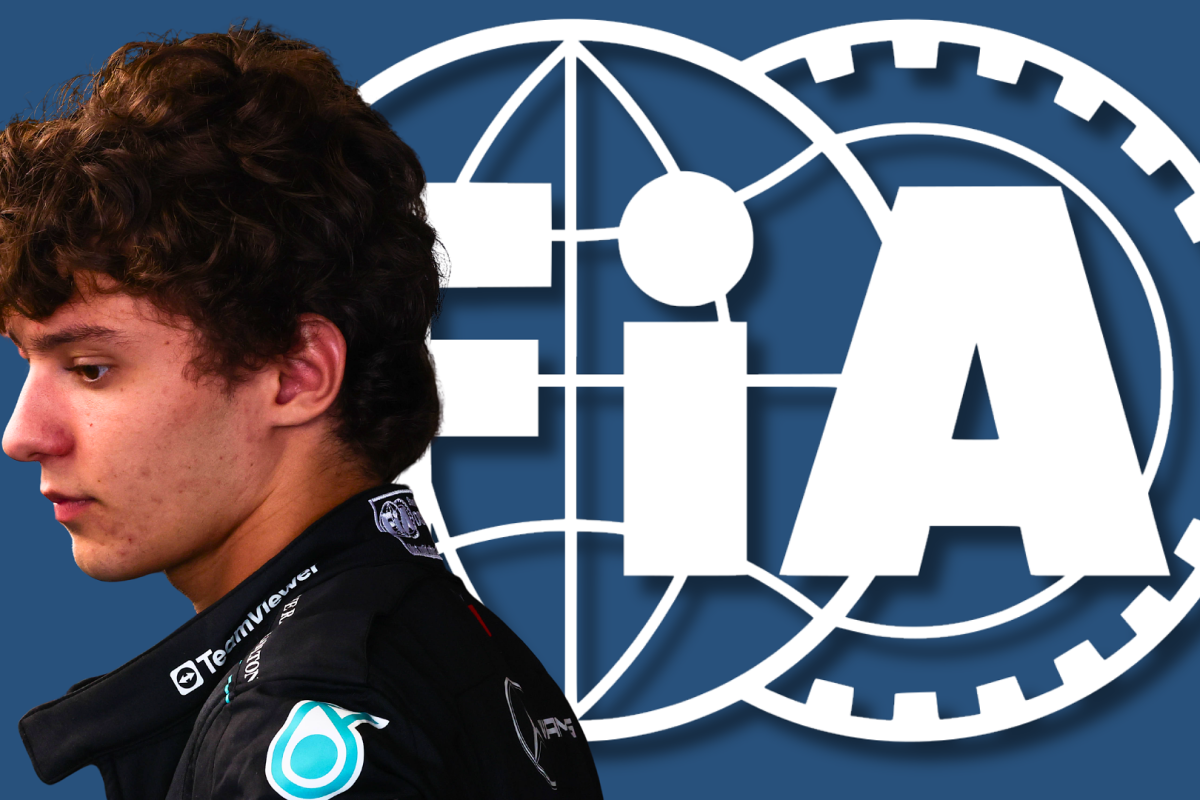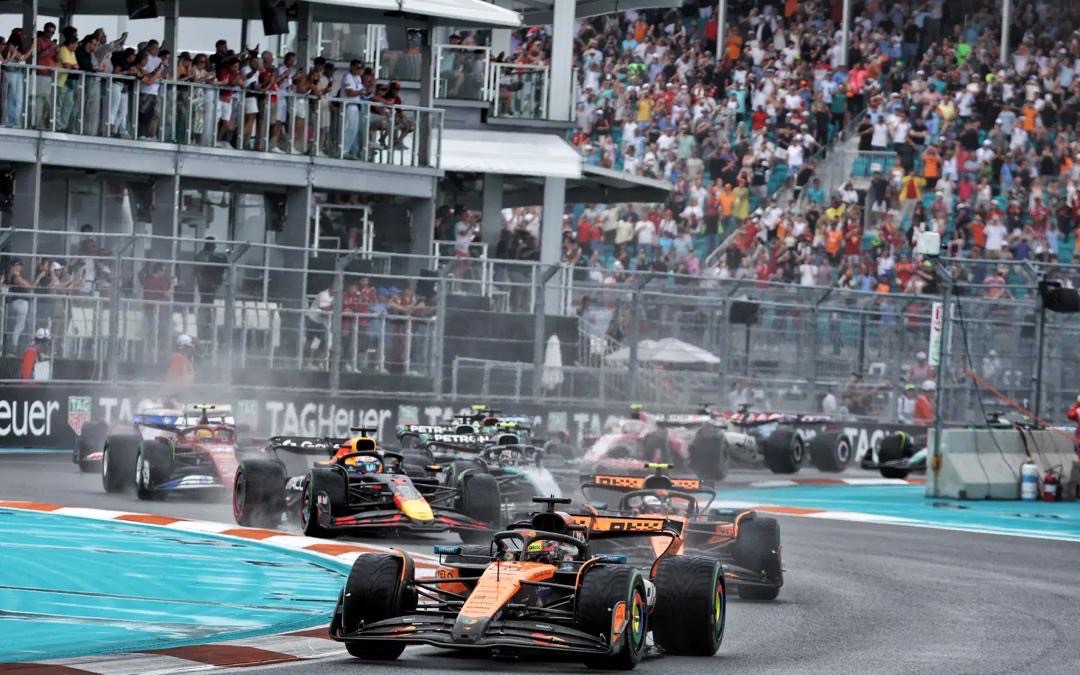
Formula 1 has made a dramatic late adjustment to the schedule for the 2026 Miami Grand Prix, with the FIA confirming that Sunday’s race will now begin much earlier than originally planned. The decision comes as organizers attempt to stay ahead of severe weather forecasts threatening the Miami area, with thunderstorms, heavy rain, and the possibility of lightning all expected later in the day.
Originally scheduled to start at 4:00 p.m. local time, the race will now get underway at 1:00 p.m. local time. That represents a three-hour shift forward, a significant change for teams, drivers, broadcasters, and the thousands of fans set to attend the event. In the United Kingdom, the revised start time means lights out will take place at 6:00 p.m. BST rather than the previously planned 9:00 p.m.
The FIA, Formula One Management, and local race promoters reached the decision after closely monitoring weather data and consulting with meteorological experts. Forecasts indicated that conditions would likely deteriorate substantially during the late afternoon, with an increased risk of heavy rain cells, thunderstorms, and dangerous lightning activity approaching the Miami International Autodrome.
Safety was the overriding factor behind the move. While Formula 1 cars are capable of racing in wet conditions, thunderstorms introduce a completely different level of risk. Lightning in particular poses a serious hazard, not only to drivers and marshals but also to fans, team personnel, broadcasters, and support staff. Under FIA safety regulations, lightning in close proximity can trigger mandatory suspension procedures, including shelter-in-place protocols for everyone at the venue.
In a statement explaining the change, officials emphasized that the revised timing is intended to maximize the likelihood of completing the full Grand Prix under safe and manageable conditions. By bringing the start forward, Formula 1 hopes to create the largest possible weather window before the most severe conditions arrive.
The statement noted that the adjustment was made to ensure minimal disruption to the race weekend while prioritizing the safety of all involved. That includes competitors, teams, circuit workers, and spectators. It also improves the chances of avoiding lengthy delays, red flags, or even a potential race stoppage should the weather worsen dramatically later in the day.
This proactive approach reflects lessons learned from previous Formula 1 events where extreme weather has played a decisive role. Organizers are increasingly willing to adapt schedules when forecasts indicate a significant threat, rather than waiting until conditions force reactive decisions at the circuit.
The timing change also has broader logistical implications. Support events and on-track activities have been affected, with some elements of the day’s schedule either shortened or canceled altogether to accommodate the earlier Grand Prix start. This is a necessary compromise to ensure the headline event can proceed with the best possible chance of running uninterrupted.
For the teams, the earlier start requires immediate adjustments to their race-day routines. Everything from garage preparations and engineering briefings to driver warm-ups and strategic planning must now be compressed into a tighter timeframe. Formula 1 operations run with military precision, but even so, a three-hour shift demands rapid adaptation.
Drivers will also need to recalibrate their preparation. Race-day schedules are meticulously planned, covering meals, hydration, rest, physical warm-ups, and mental preparation. A sudden alteration of this scale means every driver must revise those routines accordingly.
The decision could also have a notable impact on race strategy. If the weather arrives earlier than anticipated, teams may need to prepare for changing conditions during the race itself. That could open the door to strategic gambles involving tire selection, pit-stop timing, and setup compromises.
Wet-weather racing always introduces an element of unpredictability. Grip levels can fluctuate dramatically, visibility can become severely limited, and the risk of incidents increases. Even if the race begins in dry conditions, teams will likely have contingency plans in place for a possible mid-race weather shift.
The Miami International Autodrome has yet to host a fully wet Formula 1 Grand Prix, particularly under the sport’s new 2026 regulations. That adds another layer of uncertainty. Teams are still learning how these new-generation cars behave in varying conditions, especially with the revised power-unit and energy deployment rules introduced this season.
Those regulatory changes have already altered car behavior significantly, and wet conditions could further challenge both drivers and engineers. Managing traction, energy recovery, and tire degradation in unpredictable weather may prove crucial.
The earlier start could also influence the competitive picture. Track temperatures at 1:00 p.m. may differ substantially from those expected later in the afternoon, potentially affecting tire performance and car balance. Some teams may benefit more than others depending on how their cars perform in hotter or cooler conditions.
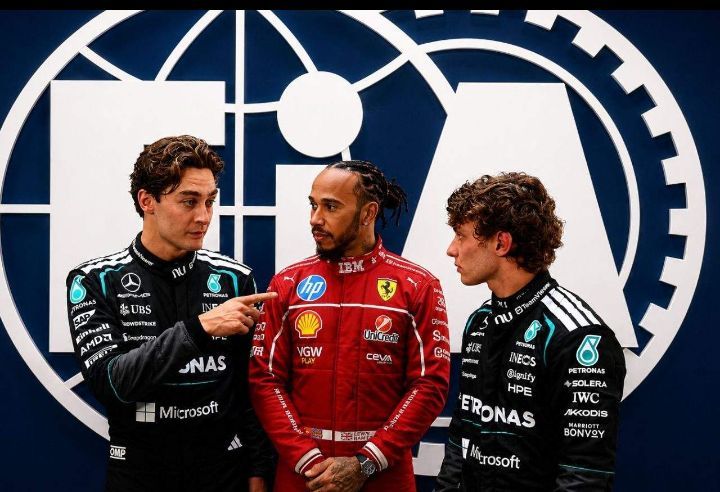
Heading into the race, anticipation is already high. Kimi Antonelli will start from pole position after another impressive qualifying performance, continuing his remarkable rise in Formula 1. Alongside him on the front row is Max Verstappen, while Charles Leclerc lines up third.
Further back, strong contenders including Lando Norris, George Russell, and Lewis Hamilton will all be aiming to capitalize on any weather-induced chaos.
Miami has built a reputation for unpredictable conditions, and Florida’s weather is notoriously volatile. A sunny morning can quickly give way to torrential rain and electrical storms by afternoon. That unpredictability has forced race officials to act decisively.
For fans, the revised start time means adjusting viewing plans, travel arrangements, and race-day schedules. However, most will welcome the move if it ensures a better chance of seeing a full and uninterrupted Grand Prix.
Ultimately, the FIA’s decision is a pragmatic one. Rather than risking extensive delays or a compromised event, Formula 1 has chosen to act early. It is a reminder that, despite all the technological sophistication and meticulous planning in modern motorsport, nature still has the final say.
With storm clouds looming over Miami, the stage is now set for what could be one of the most unpredictable and exciting races of the 2026 season. Whether the weather stays away long enough for a clean race or intervenes to create chaos, one thing is certain: an already compelling Miami Grand Prix just became even more intriguing.