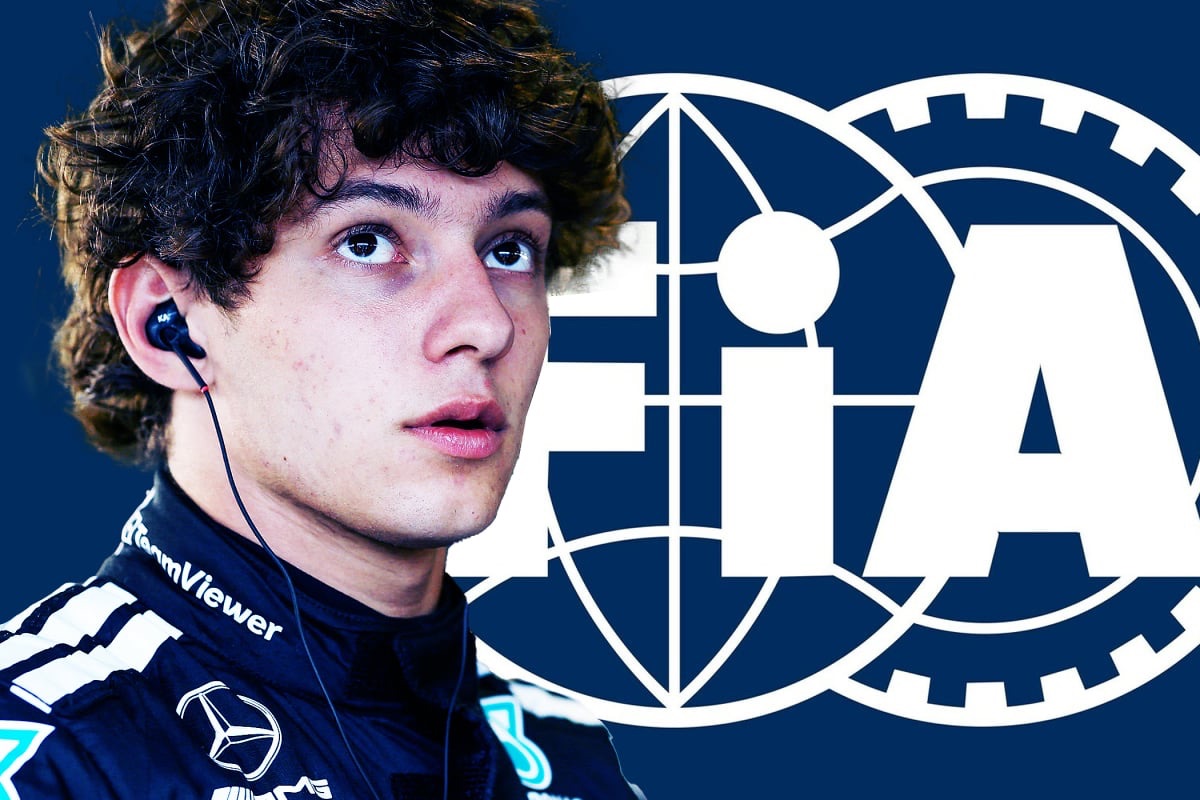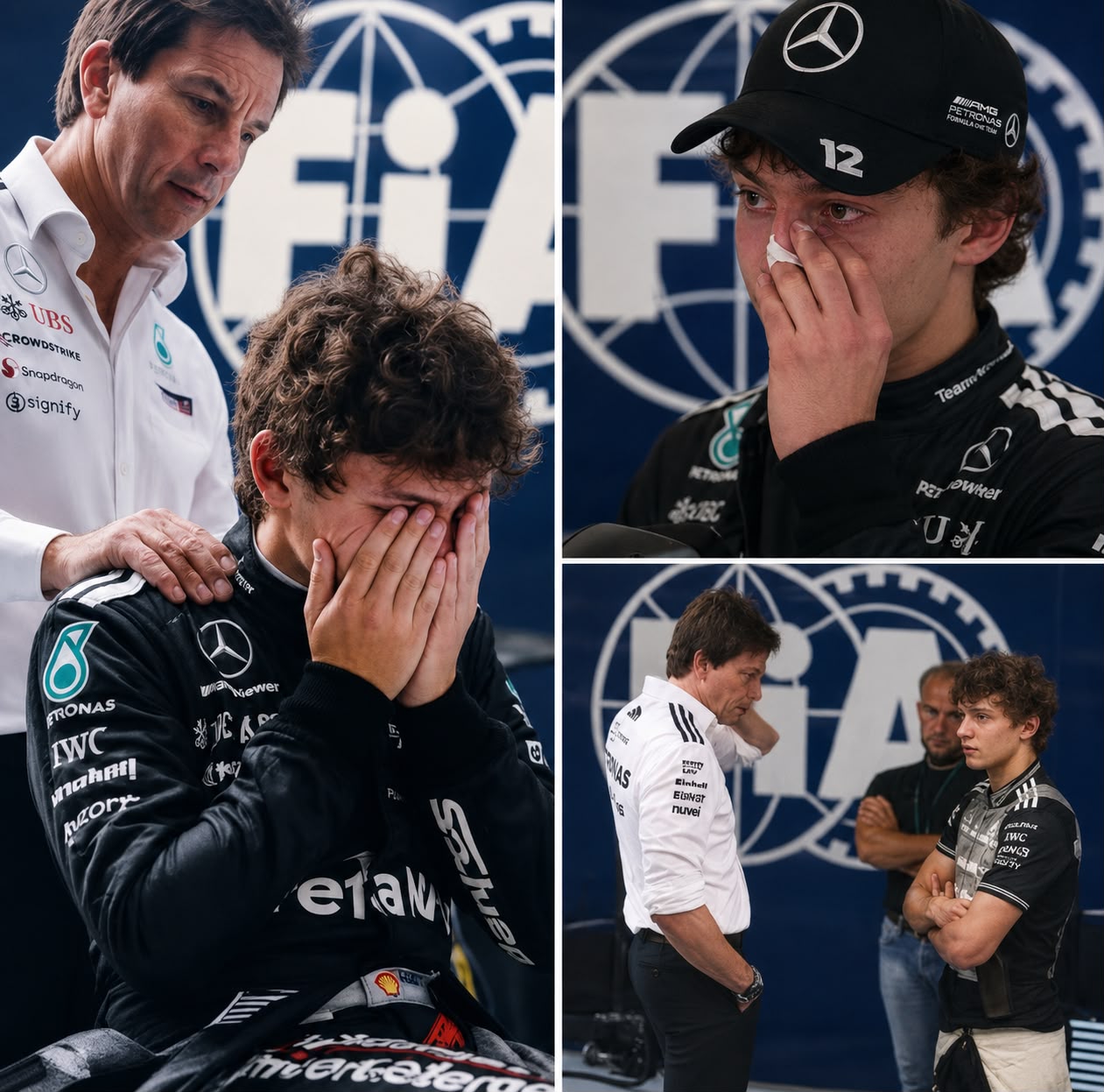

The aftermath of the 2026 Formula 1 Hungarian Grand Prix has been dominated by controversy, as the Fédération Internationale de l’Automobile (FIA) confirmed a double punishment for Mercedes driver Kimi Antonelli following a detailed post-race investigation. The decision has sparked widespread debate across the paddock, with fans, analysts, and team officials all weighing in on what has become one of the most talked-about disciplinary rulings of the season.
Antonelli, who has been one of the standout performers of the 2026 campaign and currently sits among the leading contenders in the championship, initially appeared to have secured a strong result during the race weekend at the Hungaroring. However, events that unfolded during the qualifying session and were later scrutinized by race stewards ultimately led to a significant setback for the young Italian driver.
The core of the issue stems from an incident that occurred during qualifying, when a yellow flag was deployed following a crash involving Max Verstappen. Under Formula 1 regulations, drivers are required to reduce their speed significantly when passing through yellow flag zones, ensuring the safety of marshals and other competitors. After reviewing telemetry and onboard footage, FIA stewards determined that Antonelli had failed to slow down sufficiently as he passed the scene of the incident.
As a result of this infringement, Antonelli was initially handed a grid penalty, which saw him drop several positions from his original qualifying spot. This penalty alone had a major impact on his race prospects, as starting further down the grid at a circuit like the Hungaroring where overtaking is notoriously difficult can severely limit a driver’s chances of fighting for victory.
However, the situation did not end there. Following further review after the race weekend, the FIA confirmed that Antonelli would also receive an additional sanction in the form of penalty points added to his super licence. These points serve as a long-term disciplinary measure in Formula 1, and accumulating too many within a 12-month period can lead to an automatic race ban. The confirmation of this second punishment effectively turned the incident into a “double penalty,” amplifying its significance.
Reports surrounding the decision indicated that the FIA stood firmly by its ruling, emphasizing that adherence to safety protocols especially under yellow flag conditions is non-negotiable. In high-speed motorsport, even a slight failure to reduce speed can pose serious risks, and the governing body has consistently enforced strict penalties in such cases to deter future violations.
The Hungarian Grand Prix weekend itself was already filled with drama. McLaren’s Lando Norris went on to secure a memorable victory, ending a winless streak for the team and showcasing impressive pace and control throughout the race. Meanwhile, Antonelli, despite the setback, managed to remain competitive, underlining his resilience and the strength of the Mercedes package this season.
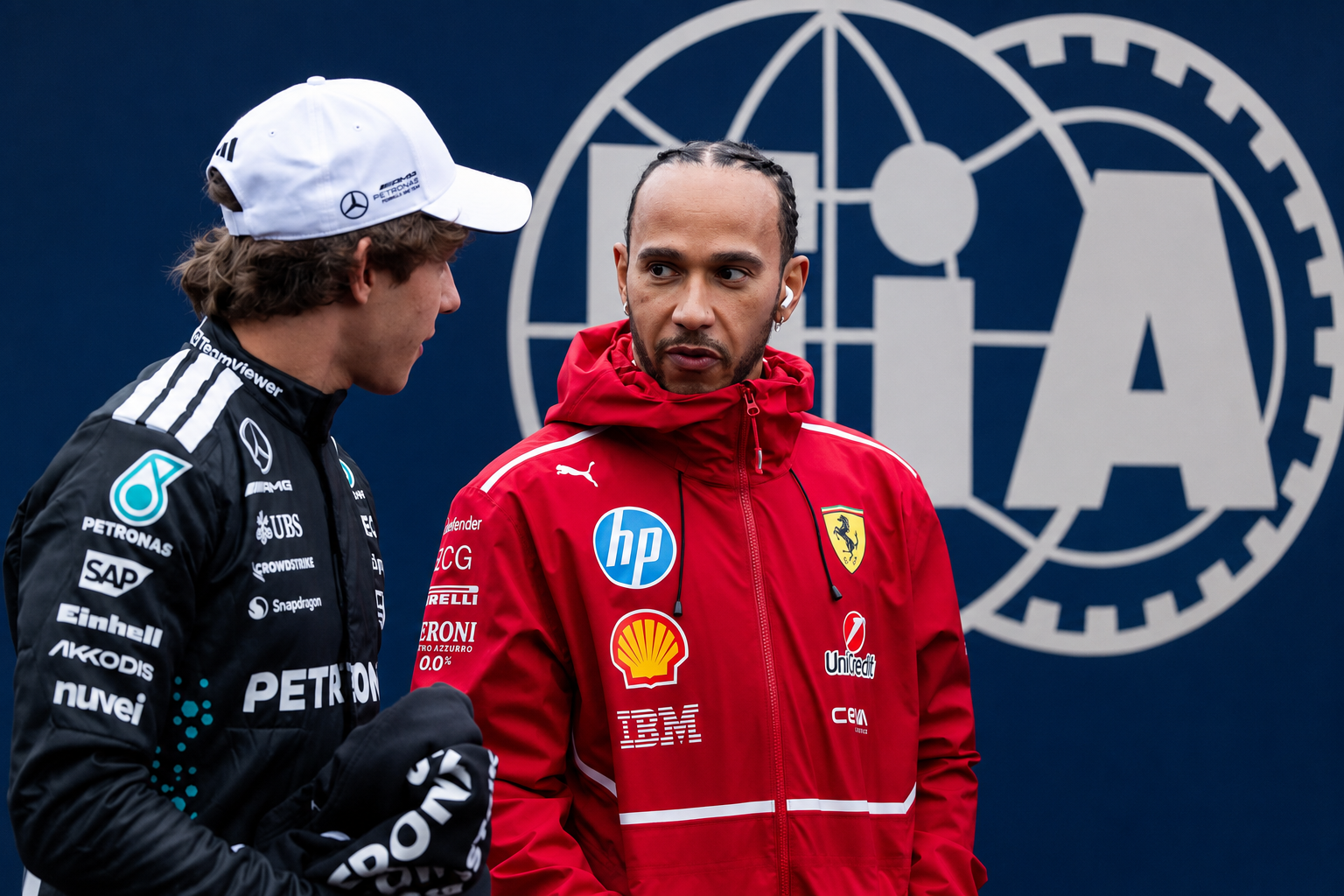
Nevertheless, the penalties have had broader implications beyond just the race result. In a tightly contested championship battle, every point matters, and any form of sanction—whether it be grid drops, time penalties, or licence points—can shift the momentum. Antonelli’s rivals, including experienced drivers like Lewis Hamilton and Max Verstappen, are likely to capitalize on any opportunity to close the gap in the standings.
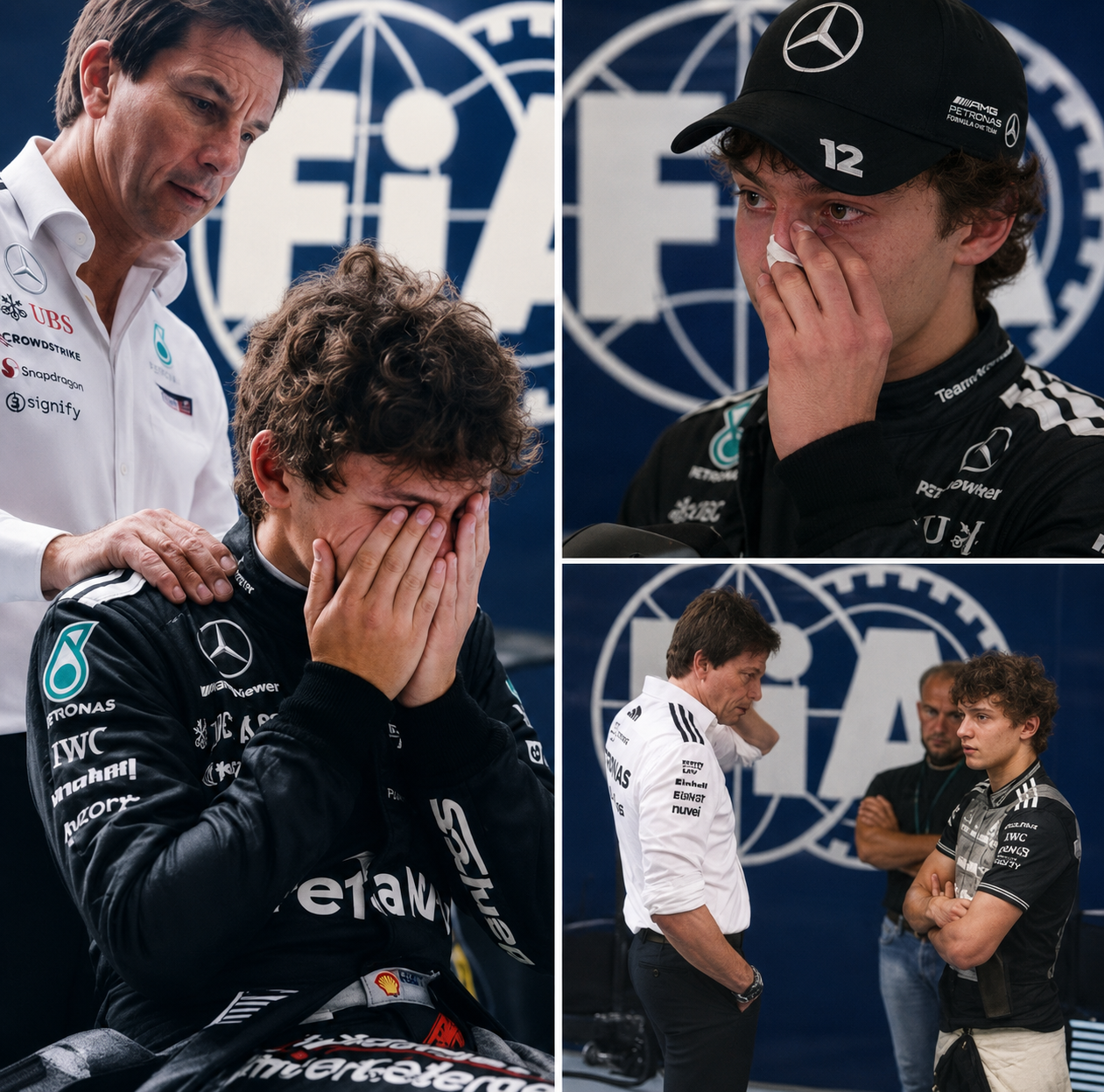
The decision has also drawn criticism from within the Mercedes camp. Team representatives reportedly expressed frustration over the severity of the punishment, arguing that such decisions can sometimes feel disproportionate, particularly when drivers are operating at the limit in high-pressure situations. While teams often accept the authority of the FIA, disagreements over stewarding decisions are not uncommon in Formula 1, especially in cases involving subjective judgment.
Adding to the complexity of the situation, some reports suggested that Antonelli may have been subjected to multiple layers of scrutiny during the weekend, with investigations extending beyond a single incident. This has fueled discussions about consistency in officiating and whether similar incidents involving other drivers are treated in the same manner.
Despite the controversy, the FIA has reiterated its commitment to maintaining fairness and safety across the sport. The governing body’s stance is clear: drivers must comply fully with race regulations, and any deviation—intentional or otherwise—will be met with appropriate consequences. This approach is seen as essential for preserving the integrity of the competition and ensuring the safety of everyone involved.
For Antonelli, the focus now shifts to recovery and maintaining his championship challenge. At just 19 years old, he has already demonstrated remarkable composure and skill, and setbacks like this are often viewed as part of the learning curve for young drivers competing at the highest level. How he responds in the coming races could prove crucial in determining the outcome of his season.
The Hungarian Grand Prix incident also serves as a broader reminder of the fine margins that define Formula 1. A single moment—whether it be a lapse in judgment, a miscalculation, or an unavoidable circumstance—can have far-reaching consequences. In Antonelli’s case, what began as a promising weekend ultimately turned into a costly lesson, highlighting the importance of precision and discipline in every aspect of racing.
As the season progresses, attention will remain firmly on both Antonelli and the FIA. Fans and analysts alike will be watching closely to see whether similar incidents are judged with the same level of severity, and whether the young Mercedes driver can bounce back from this setback. One thing is certain: the drama from the Hungarian Grand Prix has added another compelling chapter to an already thrilling Formula 1 season.
In conclusion, the FIA’s confirmation of a double punishment for Kimi Antonelli underscores the governing body’s strict enforcement of safety regulations and its willingness to impose multiple sanctions when necessary. While the decision has sparked debate, it also reinforces the high standards expected of drivers in Formula 1. For Antonelli, the challenge now lies in turning adversity into motivation as he continues his pursuit of championship success.If you’d like, I can , make the tone more dramatic, or more analytical.adapt it into a news broadcast/script format