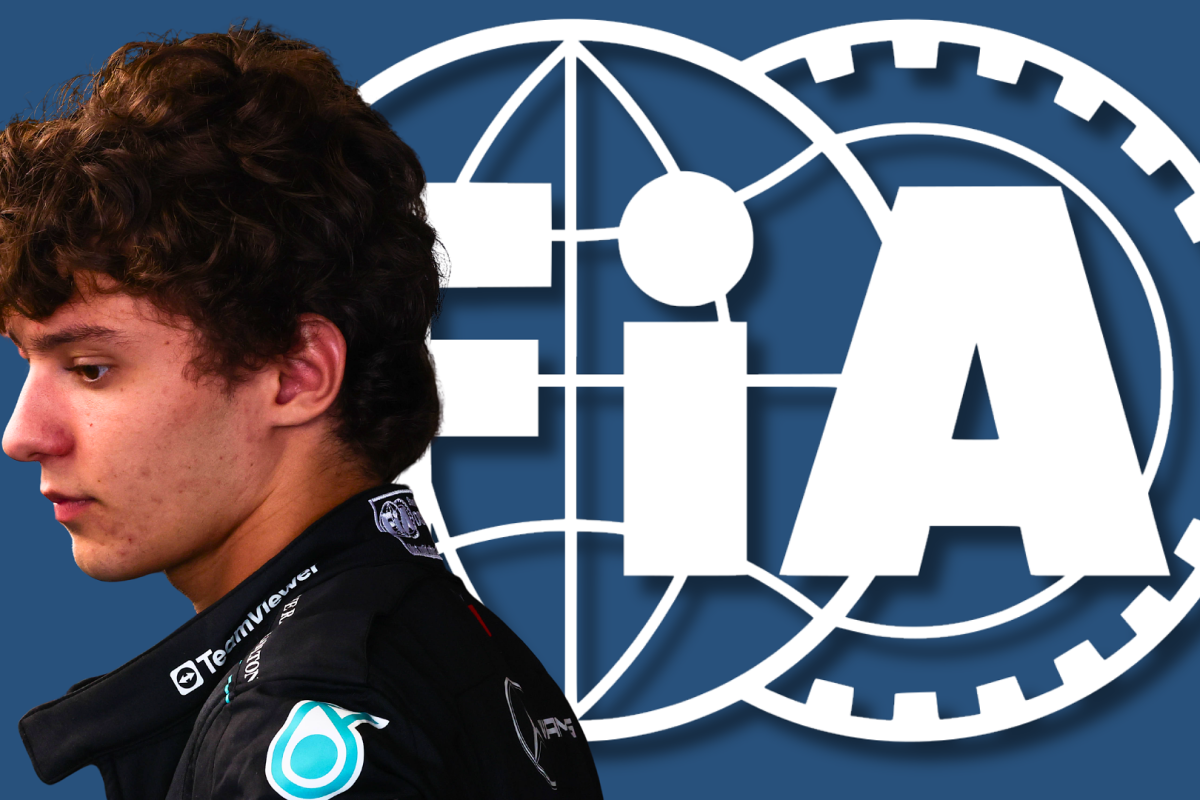
The FIA has officially confirmed another round of revisions to Formula One’s evolving engine regulations, signaling that the governing body is continuing to react quickly to concerns raised by teams, drivers, and manufacturers over the sport’s ambitious 2026 power unit era. The latest adjustments arrive amid growing debate surrounding the balance between electrical power, safety, overtaking performance, and overall racing spectacle.
Formula One is preparing for one of the most dramatic technical overhauls in its history beginning in 2026. The next-generation power units are designed around a much stronger emphasis on electrification and sustainability while still retaining the turbocharged 1.6-litre V6 combustion engine architecture that has been used since 2014. However, the original framework for the regulations has generated widespread criticism from drivers and technical figures who fear the cars could become overly dependent on battery deployment and energy harvesting systems.
In response to these concerns, the FIA has now introduced further modifications to the rules package. One of the key areas targeted involves the Additional Driver Overtake Usage system, also known as ADUO. The system was introduced to provide struggling manufacturers with a helping hand and to improve overtaking dynamics during races. The FIA believes the latest revisions will help smooth out performance gaps and reduce some of the unusual racing situations already witnessed during the early implementation phase of the new engine concept.
The governing body’s intervention follows increasing criticism from several drivers who argued that the current direction of the regulations risks creating unnatural racing conditions. Concerns intensified after a number of incidents highlighted how difficult it could become for drivers to manage battery deployment while maintaining competitive race pace. Some competitors described scenarios where drivers were effectively forced to slow down on straights simply to recharge energy systems, creating dangerous speed differences between cars.
One particularly alarming moment reportedly occurred during the Japanese Grand Prix weekend, where a dramatic speed differential contributed to a frightening crash involving Oliver Bearman. The incident intensified discussions surrounding “superclipping,” a phenomenon where drivers lose power on straights because the battery has been depleted. Critics argued that the regulations were pushing Formula One too far toward energy management and away from flat-out racing.
As a result, the FIA has been working alongside teams and manufacturers to implement adjustments before the regulations become fully entrenched. Among the notable changes already approved are revisions to how energy harvesting works during qualifying sessions. The harvesting limit has reportedly been lowered from eight megajoules to seven megajoules, while recharge power has been increased to improve drivability and reduce the extreme effects of energy depletion during high-speed sections of circuits.
The FIA has also taken steps to improve safety in wet-weather racing conditions. New restrictions now prevent drivers from using the powerful “boost mode” during low-grip situations. Previously, drivers could deploy up to 350kW of additional electric power, but officials became concerned about the aggressive torque delivery created by the hybrid systems in rainy conditions. The revised rules are designed to reduce the risk of sudden traction loss and unpredictable handling.
In addition to the boost-mode restrictions, changes have also been made to the sport’s active aerodynamics systems. Under the revised framework, only partial activation of certain aerodynamic modes will be permitted during wet conditions. The FIA hopes this will reduce instability while still allowing drivers some degree of aerodynamic adjustment for overtaking and straight-line efficiency.
The broader picture reveals that Formula One’s leadership is increasingly willing to revise regulations rapidly in response to feedback. Traditionally, major technical rules remained largely fixed for several years, but the scale of the upcoming 2026 transformation appears to have convinced the FIA that greater flexibility is necessary. Teams and manufacturers have reportedly been engaged in regular discussions to ensure the new era does not compromise safety or entertainment value.
The upcoming engine formula itself remains highly ambitious. The new power units will continue producing around 1000 horsepower, but the balance of that power will shift dramatically. Unlike the current engines, which rely more heavily on combustion power, the 2026 concept aims for an almost 50-50 split between the internal combustion engine and electric power. At the same time, the expensive MGU-H component will disappear entirely, while the MGU-K system will become far more powerful.
Fully sustainable fuel is also central to the FIA’s long-term vision. Officials see the next generation of power units as an opportunity to position Formula One as a leader in sustainable automotive technology while still preserving the performance levels expected from the sport. However, critics have questioned whether the heavy reliance on electrical systems may ultimately harm the quality of racing.
Debate over the direction of Formula One’s engines has become so intense that discussions are already underway regarding another major shift in the future. FIA president Mohammed Ben Sulayem recently confirmed that the sport could move toward V8 engines by 2030 or 2031. The proposal would dramatically simplify the current hybrid concept while still using sustainable fuels. The idea has received support from many fans and several drivers who miss the louder and more aggressive characteristics of previous Formula One eras.
Despite those future discussions, the FIA remains committed to making the 2026 regulations work effectively in the short term. Manufacturers including Mercedes, Ferrari, Audi, Honda, Ford, and Red Bull Powertrains have all invested heavily in the incoming engine formula, making stability and fairness extremely important. The FIA’s recent revisions therefore appear designed not to abandon the concept entirely, but rather to refine it before deeper problems emerge.
Ultimately, the latest rule adjustments demonstrate how seriously Formula One’s governing body is taking the concerns raised by the paddock. With safety, competitiveness, and fan entertainment all under scrutiny, the FIA is attempting to strike a delicate balance between innovation and racing quality. Whether these revisions will fully solve the issues surrounding the next-generation engines remains uncertain, but it is already clear that the 2026 era will continue evolving long before the first full season under the new rules is completed.