In the aftermath of a dramatic and incident-filled Miami Grand Prix, the FIA delivered its final verdict regarding penalties involving Mercedes drivers, bringing clarity to a situation that had generated significant debate among fans, teams, and analysts. The race itself had already been one of the most chaotic and competitive events of the 2026 Formula 1 season, featuring multiple collisions, strategic gambles, late-race drama, and a flurry of steward investigations. However, it was the post-race scrutiny and subsequent decisions that ultimately reshaped key narratives around Mercedes’ performance.
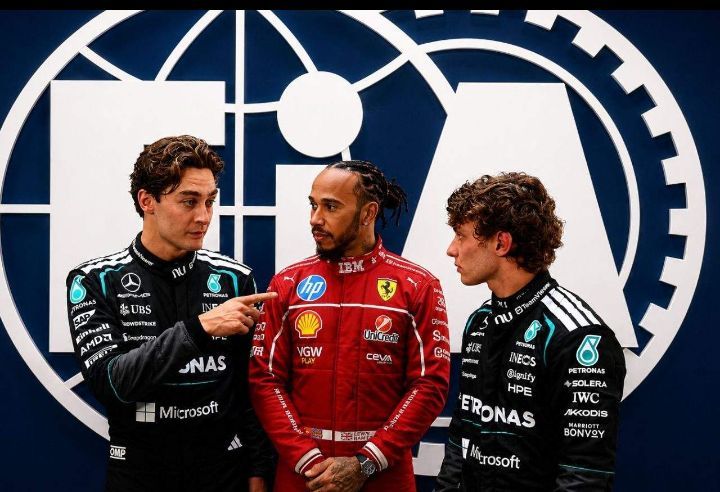
The Miami Grand Prix saw Mercedes enjoy a strong showing overall, with rising star Kimi Antonelli continuing his impressive run of form by securing victory after a tense battle with McLaren’s Lando Norris. His teammate George Russell also delivered a solid performance to finish near the front of the field. However, despite the team’s on-track success, both drivers found themselves under the microscope for separate incidents during the race, prompting an official FIA review.
Antonelli’s case centered on repeated track limits violations over the course of the race. During Formula 1 events, drivers are required to remain within the defined circuit boundaries, and exceeding these limits too often can result in penalties. The young Mercedes driver had already been issued a black-and-white warning flag earlier in the race, signaling that he was approaching the threshold for punishment. Despite this, he committed another infringement on the final lap, pushing him beyond the allowable limit and triggering a penalty.
As a result, the FIA imposed a five-second time penalty on Antonelli. This decision reflected the governing body’s strict stance on maintaining fairness and consistency in enforcing track limits regulations. While the penalty did not ultimately cost Antonelli his race victory due to the margin he had built over his closest rival, it nonetheless served as a reminder of the importance of discipline and precision in modern Formula 1 racing.
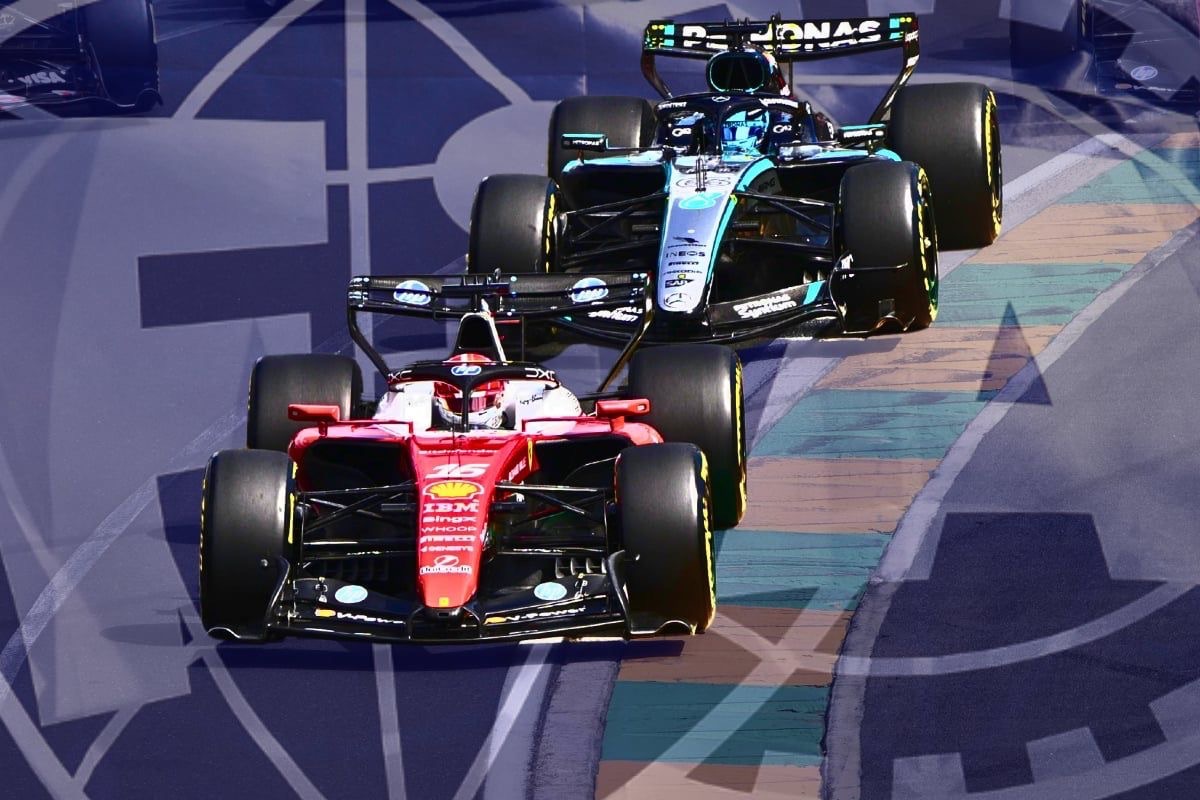
Meanwhile, George Russell’s situation was also examined following a series of intense on-track battles, particularly involving Max Verstappen and Charles Leclerc. Russell had been involved in close wheel-to-wheel racing, including a moment of contact with Verstappen that resulted in minor front-wing damage. There were initial concerns that his driving might have breached sporting regulations, particularly in relation to moving under braking or causing avoidable collisions.
However, after reviewing the available footage and telemetry data, the FIA stewards concluded that no further action was necessary in Russell’s case. The incidents were ultimately deemed to be part of hard but fair racing, and Russell avoided any form of penalty. This outcome highlighted the fine margins that often exist in Formula 1 between aggressive competition and rule violations, as well as the stewards’ willingness to allow drivers to race when incidents fall within acceptable limits.
The broader context of the race further underscores why the FIA faced such a heavy workload in reviewing incidents. The Miami Grand Prix featured numerous dramatic moments, including a late-race spin by Ferrari’s Charles Leclerc, which led to him receiving a substantial 20-second penalty for repeatedly leaving the track and gaining an advantage while driving a damaged car. Similarly, Max Verstappen was handed a five-second penalty for crossing the pit exit line during a Safety Car period.
These incidents contributed to a reshuffling of the final race classification, with several drivers either gaining or losing positions after the chequered flag. For Mercedes, however, the outcome remained largely positive despite the scrutiny. Antonelli retained his victory, continuing a remarkable streak that has positioned him as a leading contender for the championship, while Russell’s result remained unaffected by the investigations.
The FIA’s confirmation of penalties—or lack thereof—also sparked discussion about consistency in officiating. While some observers argued that track limits enforcement has become overly strict, others defended the governing body’s approach as necessary to ensure a level playing field. In Antonelli’s case, the application of the rules was straightforward, as repeated violations left little room for leniency. Conversely, Russell’s clearance demonstrated that not all incidents warrant intervention, particularly when they fall within the natural intensity of racing.
From a strategic perspective, the decisions also reinforced the importance of discipline and awareness during races. Teams must not only focus on performance and strategy but also ensure that drivers remain within the boundaries of the regulations at all times. Even minor infractions can carry consequences, especially in tightly contested races where seconds can determine the outcome.
Ultimately, the FIA’s ruling brought closure to a complex and eventful Miami Grand Prix weekend. Mercedes emerged with its strong results intact, but the episode served as a cautionary tale about the ever-present risk of penalties in Formula 1. As the season progresses, both drivers and teams will likely take lessons from Miami, aiming to balance aggression with precision in their pursuit of success.
In summary, the FIA confirmed a five-second penalty for Kimi Antonelli due to track limits violations, while George Russell escaped punishment after his incidents were deemed racing-related. The decisions reflected a broader effort to uphold consistency and fairness in officiating, even amid the chaos of one of the season’s most dramatic races.