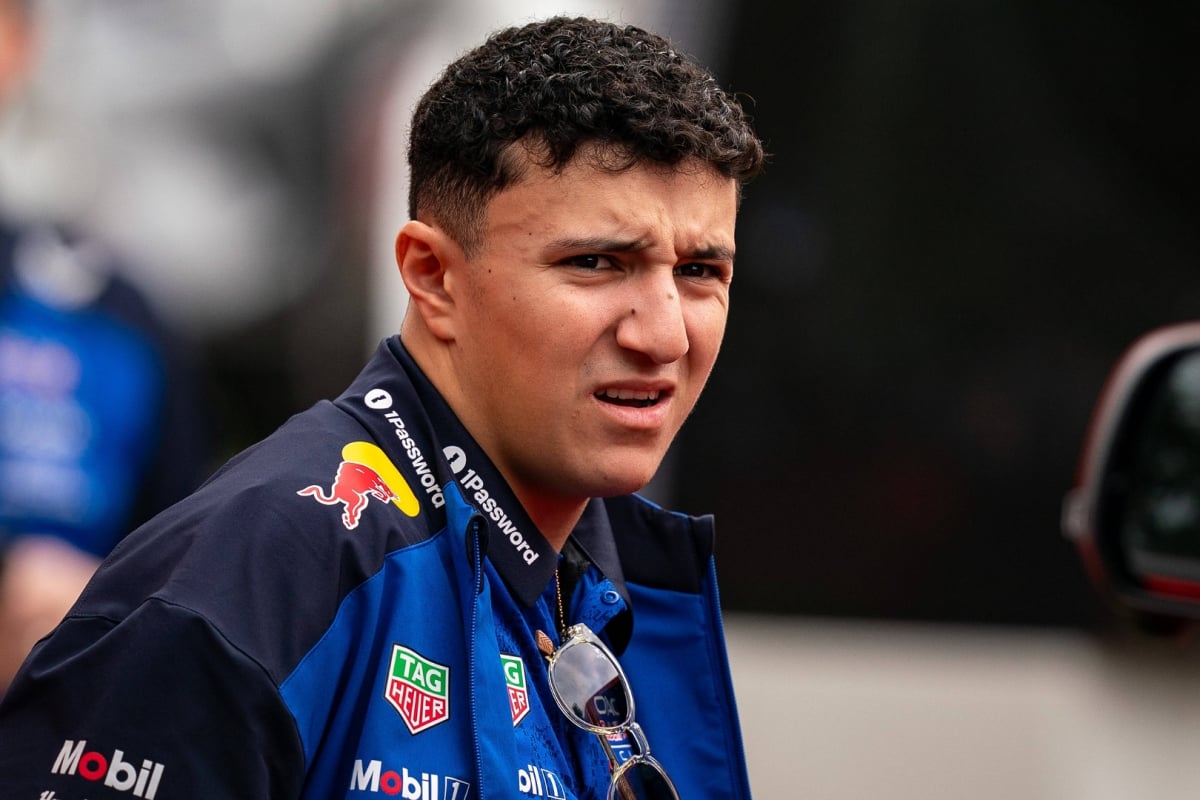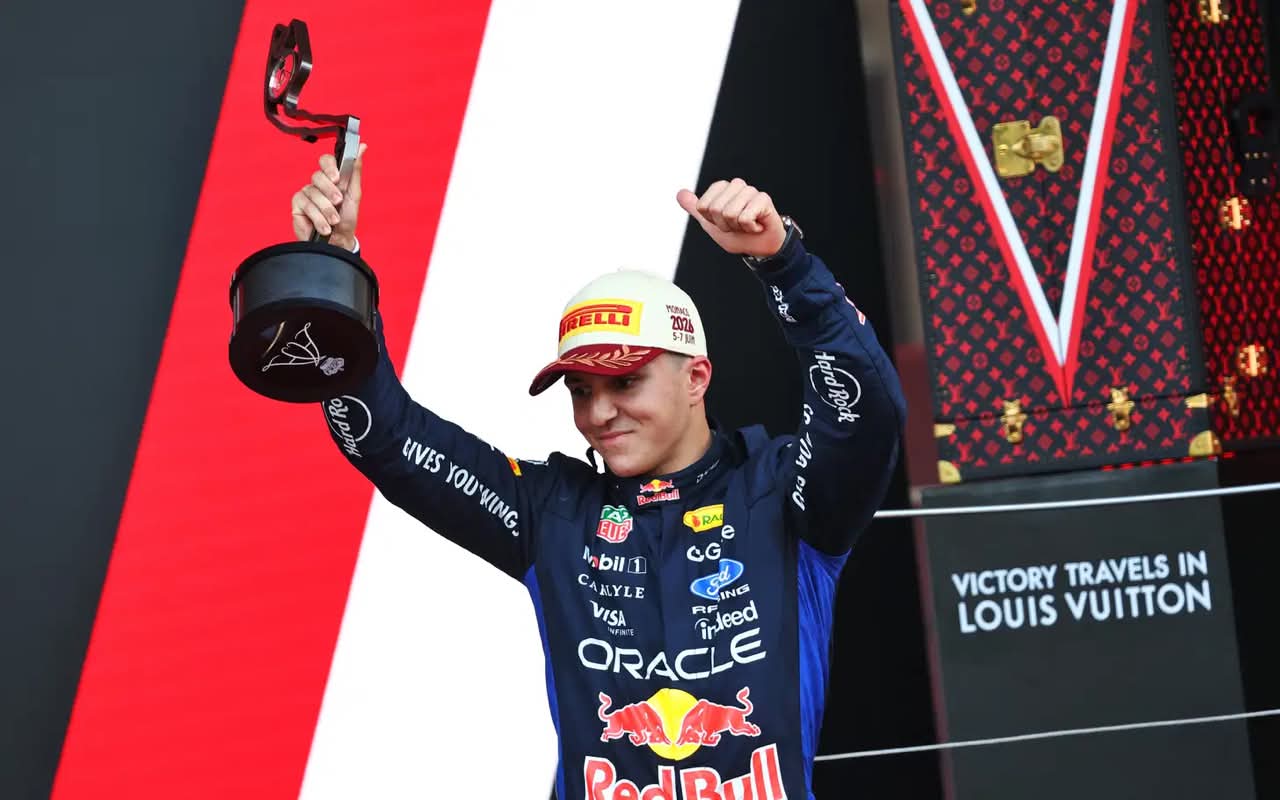

The dramatic conclusion of the 2026 Monaco Grand Prix left fans, teams, and drivers in suspense, particularly surrounding the fate of Isack Hadjar’s podium finish. What initially appeared to be a career-defining moment for the young Red Bull driver quickly turned into an anxious waiting game, as the FIA launched a post-race investigation that threatened to overturn his result.
Hadjar, who had endured a turbulent race weekend, ultimately crossed the line in fourth position. However, due to time penalties handed to Alpine driver Pierre Gasly for pit lane speeding infractions, Hadjar was promoted to third place, securing what would be his first podium finish with Red Bull and the second of his Formula One career. While this promotion should have been a moment of celebration, the situation became complicated almost immediately after the race.
The FIA announced that Hadjar and his Red Bull team were under investigation for a potential breach of regulations during a red flag period late in the race. This development cast doubt over whether he would be allowed to keep his podium position. The issue centered around whether Red Bull mechanics had carried out work on Hadjar’s car that was not permitted under the strict rules governing race suspensions.
The Monaco Grand Prix itself had been chaotic, featuring multiple incidents, safety cars, and ultimately a red flag after significant on-track disruptions. During such stoppages, teams are allowed to perform only limited and clearly defined work on their cars. According to the FIA’s technical regulations, certain operations are prohibited in order to maintain fairness and prevent teams from gaining an undue advantage while the race is paused.
Reports from the FIA’s technical delegate indicated that Red Bull mechanics had been observed working on Hadjar’s car during the suspension. Specifically, it was alleged that the team may have attempted procedures not allowed under Article B5.14.4.a of the sporting regulations. This triggered an official investigation, with Hadjar and a team representative summoned to explain the actions taken during the stoppage.
The situation was particularly tense because any confirmed breach could have resulted in severe consequences, including time penalties or even disqualification. Such an outcome would have stripped Hadjar of his podium and significantly altered the final race classification.
Despite the looming uncertainty, there were mitigating details that worked in Hadjar’s favor. It was noted that when questioned by officials, the Red Bull mechanics immediately ceased their actions and returned the car to its prior condition without replacing any components. This detail proved to be a crucial factor in the stewards’ deliberations.
After reviewing the evidence and hearing from the team, the FIA stewards ultimately decided that no further action would be taken. This verdict confirmed that Hadjar would retain his third-place finish, allowing him to officially celebrate his achievement.
The decision brought relief not only to Hadjar but also to the Red Bull team, which had already faced a difficult race. Hadjar himself had battled significant technical challenges throughout the event, including drivability issues that made navigating Monaco’s tight and unforgiving circuit even more demanding.
In addition to the mechanical difficulties, the race’s numerous interruptions and the high-pressure environment of Monaco added to the complexity of the situation. The narrow streets of Monte Carlo leave little room for error, and maintaining performance under such conditions is a test of both driver skill and team execution.
Hadjar’s ability to persevere through these challenges and still secure a podium finish highlights his growing maturity and resilience as a Formula One driver. His performance was particularly impressive given that he had a troubled start to the weekend, including struggles during practice sessions.
The investigation also underscores the strict regulatory framework within Formula One. The FIA enforces detailed rules regarding what teams can and cannot do during race suspensions, ensuring that no competitor gains an unfair advantage. Even minor infractions can lead to serious consequences, which is why such investigations are treated with utmost seriousness.
In this case, the stewards’ decision suggests that while there may have been initial concerns about the team’s actions, the evidence did not support imposing a penalty. The fact that no parts were replaced and that the work was reversed likely played a decisive role in avoiding sanctions.
The Monaco Grand Prix weekend as a whole was filled with drama beyond Hadjar’s situation. The race featured multiple penalties, incidents, and unexpected outcomes, all of which contributed to a constantly shifting classification. Hadjar’s promotion to the podium itself was a result of such post-race adjustments, demonstrating how volatile the results can be even after the checkered flag.
Ultimately, the conclusion of the FIA investigation allowed the official standings to remain unchanged, confirming Hadjar’s place among the top three finishers. This result marks an important milestone in his career and strengthens his position within the Red Bull team.
Looking ahead, the episode serves as a reminder of the fine margins in Formula One. Success is not determined solely by performance on track but also by strict adherence to regulations. Teams must navigate these rules carefully, particularly in unusual circumstances like red flag periods.
For Hadjar, the experience will likely be both a lesson and a confidence boost. Surviving such scrutiny and emerging with his result intact demonstrates both the team’s compliance and the driver’s ability to deliver under pressure.
In the end, what began as a moment of uncertainty concluded with confirmation of a hard-earned achievement. Hadjar’s Monaco podium stands as a testament to his determination and the team’s resilience in one of the most challenging races of the season.