
The FIA has released an official statement ahead of the Monaco Grand Prix following growing discussions among Formula 1 drivers regarding the future of racing at the iconic street circuit. The governing body’s announcement comes at a time when concerns over overtaking opportunities, race strategy, and overall entertainment value have once again become major talking points within the paddock.
Monaco remains one of the most historic and prestigious venues in motorsport. The narrow streets of Monte Carlo have hosted some of Formula 1’s most memorable moments, producing legendary victories and dramatic championship battles over several decades. However, as Formula 1 cars have become larger and more technologically advanced, criticism surrounding the race has increased, particularly regarding the difficulty drivers face when attempting to overtake.
The FIA’s latest statement is viewed as part of a wider effort to address concerns that have repeatedly been raised by drivers, teams, fans, and analysts. Officials have acknowledged that Monaco presents unique challenges compared to any other circuit on the Formula 1 calendar. The combination of tight corners, limited run-off areas, and extremely narrow sections of track often means that qualifying performances have a greater influence on race outcomes than on-track battles during the Grand Prix itself.
Recent seasons have intensified the debate surrounding Monaco’s place in modern Formula 1. While the event remains one of the sport’s crown jewels, several drivers have openly admitted that Sunday races often lack the excitement associated with other circuits. In many cases, positions are largely determined during qualifying because overtaking becomes nearly impossible once the race begins. This has led to calls for regulatory adjustments aimed at creating more strategic variety and increasing opportunities for drivers to challenge one another during the race.
In response to these concerns, the FIA has explored multiple solutions designed to improve the spectacle without compromising the circuit’s historic identity. One of the most notable changes discussed in recent years involved alterations to pit-stop requirements and race strategy regulations. The governing body has previously confirmed measures intended to introduce greater strategic complexity, requiring teams to make additional tyre-related decisions throughout the race weekend. The objective is to encourage different tactical approaches that could create more unpredictable outcomes and provide fans with a more engaging race experience.
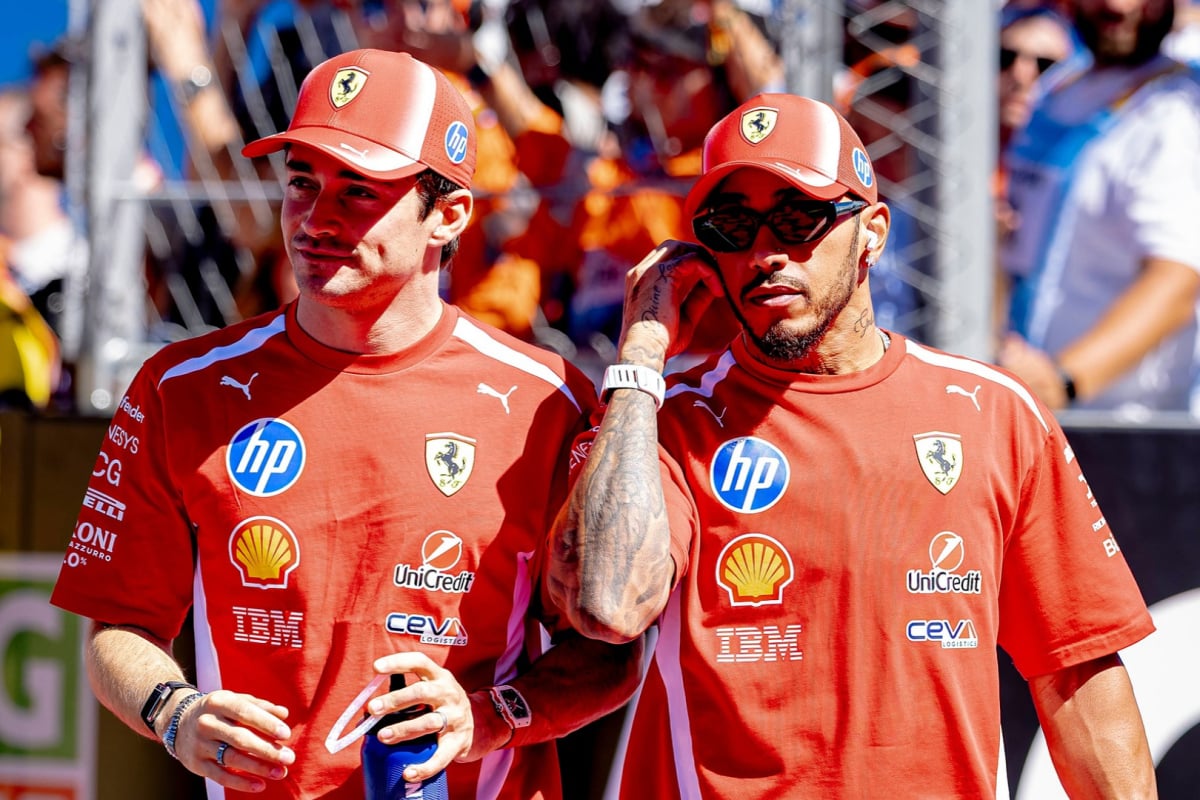
Several prominent drivers have reacted positively to the idea of introducing strategic changes. Ferrari driver Charles Leclerc, who achieved an emotional home victory in Monaco, has previously suggested that while qualifying remains one of the most thrilling experiences of the Formula 1 season, race day often requires additional elements to increase excitement. According to Leclerc, introducing new strategic variables could create opportunities for teams to adopt different approaches and potentially alter race dynamics.
The FIA’s latest communication also arrives amid preparations for Formula 1’s next generation of technical regulations. With significant car changes continuing to shape the sport’s future, officials are carefully evaluating how Monaco’s unique characteristics will interact with evolving vehicle designs. Recent reports indicate that the governing body has already considered specific adjustments regarding aerodynamic systems and race management procedures at the famous circuit in order to maintain both competitiveness and safety.
Safety remains a major priority behind every decision made by the FIA. Monaco’s street layout leaves very little margin for error, meaning any regulatory changes must be thoroughly assessed before implementation. The governing body has repeatedly emphasized that while improving racing action is important, maintaining the highest possible safety standards remains non-negotiable. This balance between spectacle and safety continues to guide discussions surrounding the future of the Monaco Grand Prix.
Drivers have also played an increasingly active role in conversations about the sport’s direction. In recent years, Formula 1 competitors have become more vocal regarding race regulations, sporting rules, and the overall quality of competition. Their feedback has often influenced discussions within the FIA and Formula 1 Commission, particularly when evaluating changes that could affect racing standards. The latest statement demonstrates that officials are listening closely to opinions expressed by those competing on the track every weekend.
Beyond the sporting implications, Monaco continues to hold enormous commercial and cultural significance for Formula 1. The race attracts celebrities, business leaders, sponsors, and international media attention unlike almost any other event on the calendar. Its glamorous reputation, stunning harbor backdrop, and deep-rooted history contribute to its status as one of motorsport’s most recognizable destinations. Because of this unique position, any discussion regarding changes to the Monaco Grand Prix inevitably attracts considerable interest from across the global Formula 1 community.
Despite the criticism surrounding overtaking, many drivers continue to describe Monaco as one of the ultimate tests of skill. Precision, concentration, and confidence are required throughout every lap, with barriers positioned just inches from the racing line. A small mistake can instantly end a driver’s weekend, making success around Monaco particularly rewarding. This challenge remains one of the strongest arguments in favor of preserving the circuit’s traditional character while seeking ways to enhance the overall race spectacle.
The FIA’s official statement therefore represents more than a routine update. It reflects the governing body’s ongoing commitment to balancing tradition with innovation as Formula 1 continues to evolve. By engaging with driver feedback and exploring targeted regulatory adjustments, officials hope to ensure that Monaco retains its legendary status while also meeting the expectations of modern audiences.
As anticipation builds ahead of the Monaco Grand Prix, attention will now turn toward how teams and drivers respond to the latest developments. Whether the proposed measures ultimately transform the nature of racing in Monte Carlo remains to be seen, but the FIA’s willingness to address concerns demonstrates that the future of one of Formula 1’s most iconic events remains firmly under review.
For now, Monaco continues to occupy a unique place in the sport — a circuit celebrated for its history, admired for its challenge, and debated for its racing spectacle. The FIA’s latest statement underscores the importance of finding solutions that preserve everything that makes Monaco special while ensuring that Formula 1 continues to deliver the excitement and competition expected by fans around the world.