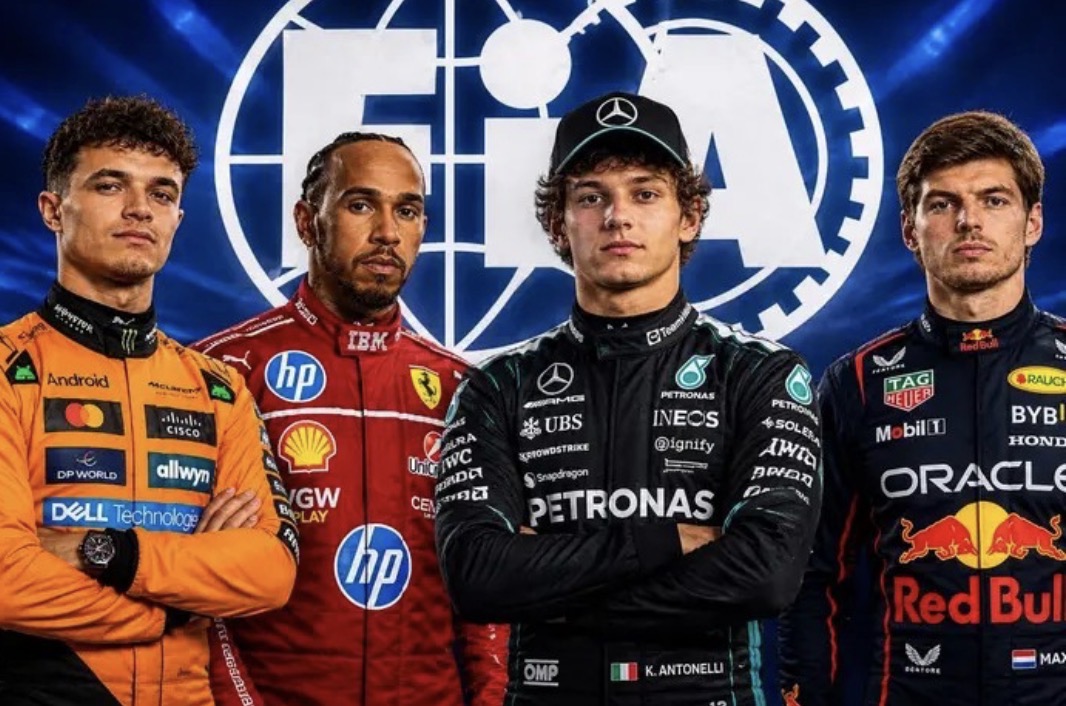
Rising Red Bull star Isack Hadjar has publicly supported the FIA’s decision to hand out severe penalties following his controversial on-track battle with Ferrari driver Charles Leclerc during the 2026 Canadian Grand Prix. Despite being one of the drivers penalized by race stewards, the young Frenchman admitted that the punishments were justified and accepted responsibility for his actions.
Hadjar enjoyed one of the strongest races of his Formula 1 career in Montreal, crossing the line in fifth position and securing a significant result for Red Bull. However, the race was far from straightforward. His performance became the subject of scrutiny after a tense wheel-to-wheel confrontation with Leclerc, an incident that prompted intervention from race officials and ultimately resulted in penalties.
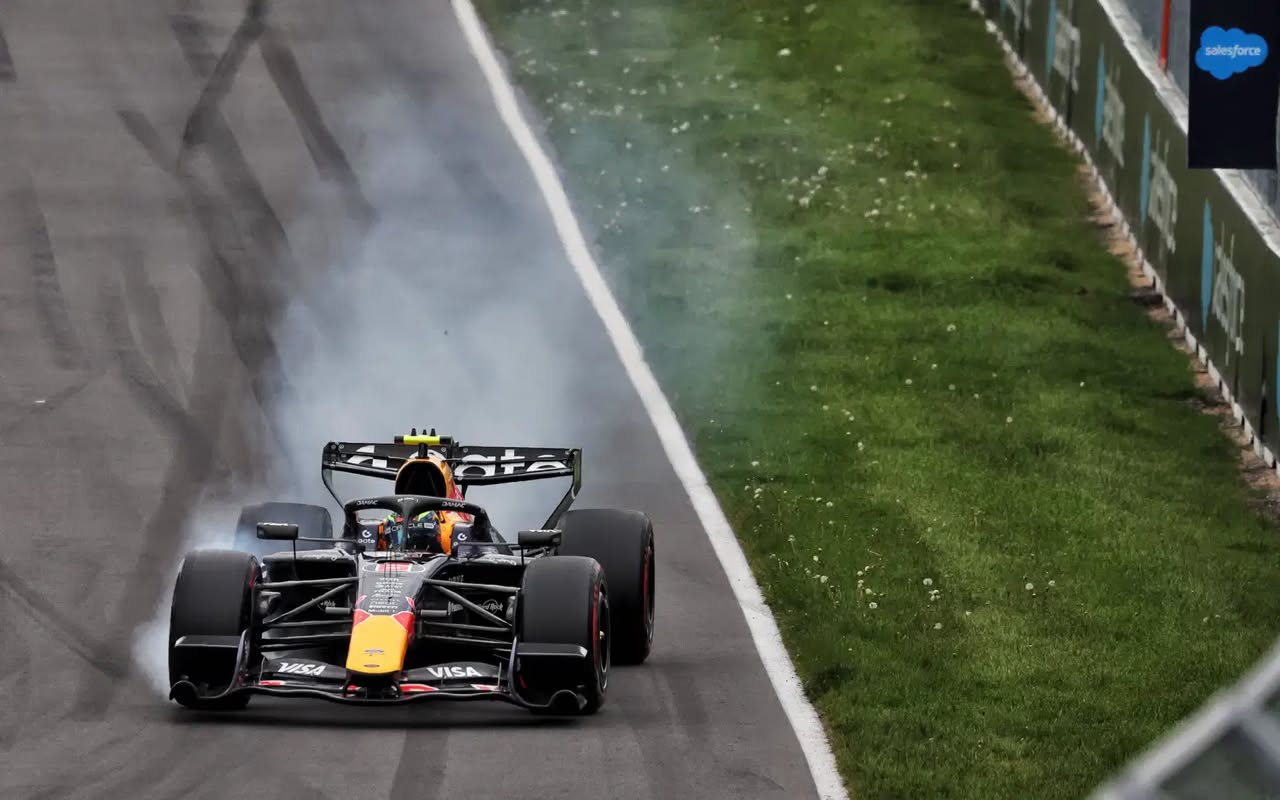
The drama unfolded shortly after the pit-stop phase when Hadjar found himself defending aggressively against the charging Ferrari driver. As the two approached one of the circuit’s fastest sections, Hadjar made a late defensive move that forced Leclerc dangerously close to the edge of the track. Although contact was avoided, the stewards determined that the maneuver exceeded acceptable limits and imposed a time penalty on the Red Bull driver.
Rather than disputing the decision, Hadjar surprised many observers by openly acknowledging that the FIA had acted correctly. Speaking after the race, he admitted that his defensive actions had been excessive and conceded that he had made an error in judgment while attempting to protect his position. According to the Frenchman, confusion over which side Leclerc intended to attack from contributed to the incident, but he stressed that there had been no malicious intent behind the move.
The 21-year-old explained that everything happened extremely quickly and that he misread the situation. While trying to react to Leclerc’s approach, he ended up moving more aggressively than intended. Hadjar acknowledged that such mistakes can create dangerous situations and therefore understood why race officials decided to intervene.
His acceptance of the ruling was echoed by Leclerc himself. The Ferrari driver admitted that the incident had been uncomfortable and potentially risky but appreciated Hadjar’s immediate apology afterward. Leclerc described the punishment as fair and noted that the visibility limitations of modern Formula 1 cars can sometimes make judging distances and closing speeds difficult during intense battles. Nevertheless, he agreed that the move had crossed the line and warranted action from the stewards.
The penalty for the Leclerc incident was not the only punishment Hadjar received during the race weekend. He was also sanctioned for failing to slow sufficiently under yellow-flag conditions, resulting in another significant penalty. Despite accumulating multiple punishments, he still managed to retain fifth place thanks to the substantial gap he had built over the drivers behind him.
Remarkably, Hadjar never attempted to blame the officials or argue that the rulings were excessive. Instead, he maintained that the penalties reflected the seriousness of the infractions and that drivers must accept responsibility when mistakes occur. His comments have been interpreted by many within the paddock as a mature response from one of Formula 1’s emerging talents.
While the penalties generated headlines, Hadjar’s primary frustration after the race centered on his car’s performance. Despite finishing near the front, he revealed that he had struggled throughout the Grand Prix and could not understand why the pace he enjoyed during qualifying disappeared on race day. The contrast between Saturday and Sunday left him puzzled and searching for answers.
Hadjar explained that the car felt significantly more difficult to drive compared to qualifying, where he had demonstrated impressive speed. During the race, however, he found himself fighting the car and working much harder than expected to maintain competitive lap times. He noted that while the opening laps felt manageable, rival drivers gradually pulled away, leaving him unable to match their pace.
The young driver admitted that the experience reminded him of the challenges he had encountered during the first practice sessions earlier in the weekend. Although tire degradation was minimal and conditions remained relatively stable, he never found the confidence or speed that had been present during qualifying. Even when the tires reached their optimal operating window, he still felt unable to extract the performance he expected from the car.
Questions were also raised about whether his difficulties mirrored those experienced by teammate Max Verstappen, who had previously complained about performance limitations. Hadjar suggested that his problems extended beyond simple top-speed concerns and affected multiple aspects of the car’s behavior. This broader performance deficit left him uncertain about the root cause and eager for further analysis from the team.
The Canadian Grand Prix weekend continued a turbulent season for Hadjar. Earlier in the year, he faced a high-profile disqualification from qualifying in Miami after FIA inspectors discovered that elements of his Red Bull’s floor assembly did not comply with technical regulations. That infringement resulted in his removal from the qualifying classification and additional consequences after changes were made under parc fermé conditions.
Those earlier setbacks made his strong result in Montreal even more significant. Although the penalties prevented what might have been an even more impressive finish, Hadjar demonstrated resilience by remaining competitive and securing valuable points. His willingness to accept punishment rather than challenge the FIA’s decisions has also earned respect from many within the Formula 1 community.
As Formula 1 heads to the next round of the championship, Hadjar will aim to build on the positive aspects of his Canadian performance while eliminating the errors that attracted the attention of race officials. His pace, determination, and honesty after the race suggest that he remains one of the sport’s most promising young drivers. Yet Montreal also served as a reminder that success at the highest level requires balancing aggression with precision—something Hadjar himself acknowledged when supporting the FIA’s heavy-handed approach to enforcing the rules.