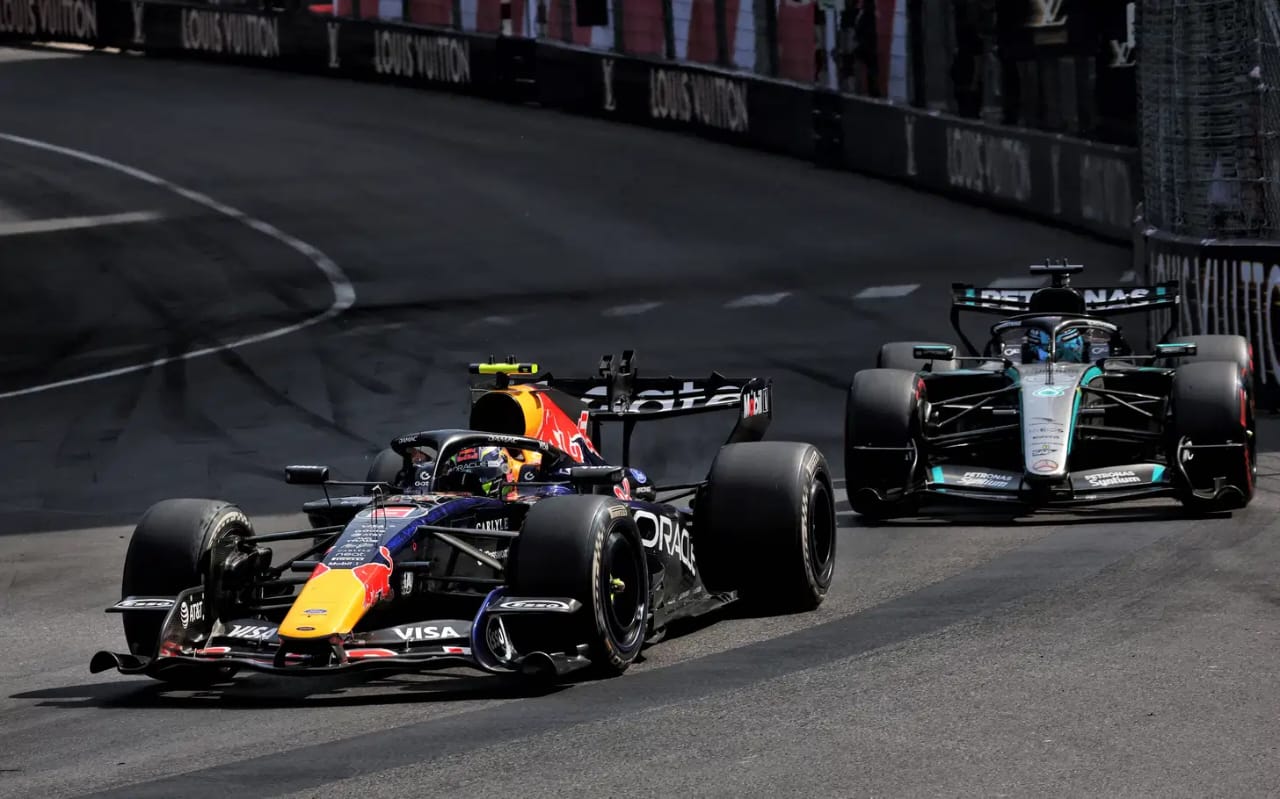

The 2026 Monaco Grand Prix delivered yet another chapter of high drama, unpredictability, and controversy, with one of the most talked-about storylines centering on rising Formula 1 talent Isack Hadjar and a post-race investigation that threatened to strip him of a hard-earned podium finish.
Hadjar, a young and rapidly emerging driver in Formula 1, appeared to have secured a remarkable result at one of the most demanding circuits in the sport. Monaco is widely regarded as a true test of driver skill, precision, and mental resilience, and finishing on the podium there is often considered a career-defining achievement. For Hadjar, who has been steadily building his reputation, this performance was poised to mark a major milestone. However, the celebrations were quickly overshadowed by uncertainty as the FIA launched an investigation into a potential rules breach.
The race itself was chaotic from start to finish. Multiple incidents, crashes, and penalties created an unpredictable environment that reshuffled the order several times. Early drama included high-profile retirements and collisions that brought out safety cars and even a red flag, significantly influencing race strategy and track position. Amid all this, Hadjar kept his composure, navigating the narrow streets of Monaco with maturity beyond his years.
By the latter stages of the race, Hadjar found himself in a strong position to claim a podium finish. However, during one of the race’s critical phases—specifically under safety car conditions—he was noted by race officials for a potential infringement. The issue reportedly revolved around whether he maintained the required distance to the car ahead, a regulation designed to ensure safety and fairness during neutralized race periods.
This type of rule might seem minor to casual observers, but in Formula 1, even the smallest deviation can carry significant consequences. Drivers are required to stay within a certain range—typically within ten car lengths of the car in front—during safety car phases. Failing to comply can lead to time penalties or other sanctions, which can drastically alter the final standings.
As the race approached its conclusion, the tension surrounding Hadjar’s situation intensified. While he crossed the line in a podium position, his fate remained uncertain. Fans, commentators, and teams were left waiting for the stewards’ decision, which would determine whether his result would stand or be revised.
Adding to the complexity of the situation was the fact that Hadjar was not the only driver under scrutiny. Several others, including experienced names in the field, were also being investigated or had already received penalties for various infractions during the race. This created an atmosphere of widespread uncertainty, where the provisional results could still change even after the chequered flag had fallen.
Interestingly, earlier in the race weekend, Hadjar had already faced challenges, including an incident during practice that resulted in a crash and a red flag. Despite this setback, he managed to bounce back impressively, demonstrating both resilience and determination. His ability to recover from adversity and still compete at a high level further highlighted his growing potential as a future star in the sport.
As the investigation unfolded, it became clear that the outcome would hinge on detailed data analysis, including telemetry and video evidence. The FIA’s decision-making process in such cases is meticulous, as they must ensure that all drivers are treated fairly and that the rules are applied consistently.
In some instances, drivers under investigation during the race were later cleared of wrongdoing before the restart, showing how fluid and uncertain these situations can be. For Hadjar, this meant that hope remained alive that his podium result would ultimately be confirmed.
The broader context of the race also added significance to Hadjar’s performance. The 2026 Monaco Grand Prix was already shaping up to be one of the most eventful races of the season, with a mix of strategic gambles, mechanical issues, and on-track battles. In such a competitive and chaotic environment, maintaining focus and delivering a top-three finish is no small feat.
Moreover, Hadjar’s situation reflects a recurring theme in Formula 1: the fine margins that separate success from disappointment. A driver can execute an almost flawless race, only to have the result jeopardized by a technicality or a momentary lapse in judgment. This is part of what makes the sport so compelling, but also so unforgiving.
For fans of Hadjar, the investigation was a nerve-wracking development. A podium at Monaco would not only boost his confidence but also enhance his standing within the team and the broader F1 community. It could potentially influence future opportunities, sponsorships, and his long-term career trajectory.
From a team perspective, the situation also carried significant implications. Constructors rely heavily on points scored by their drivers, and any penalty that alters finishing positions can impact the championship standings. As such, teams often play an active role in defending their drivers during investigations, presenting evidence and arguments to support their case.
Ultimately, the unfolding drama around Hadjar’s podium encapsulated the unpredictable nature of Formula 1. What should have been a straightforward celebration turned into a waiting game filled with suspense and speculation. Whether the podium would stand or be taken away depended entirely on the FIA’s final ruling.
Regardless of the outcome, one thing was clear: Hadjar had delivered a performance worthy of recognition. Competing at Monaco under such intense pressure and still finishing near the front demonstrated his talent and potential. Even if the investigation had gone against him, the impression he made on that day would not easily be forgotten.
In the end, moments like these define a driver’s journey in Formula 1. They test not only skill and speed but also mental strength and resilience. For Isack Hadjar, the Monaco Grand Prix was more than just a race—it was a defining chapter in his career, filled with both triumph and uncertainty.