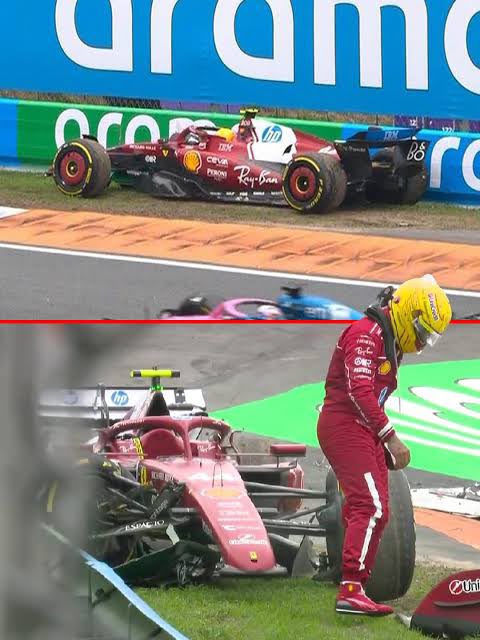

The build-up to the Belgian Grand Prix at the iconic Spa-Francorchamps circuit took a dramatic turn when Lewis Hamilton endured a late-session crash that significantly disrupted Ferrari’s preparations for the race weekend. What had initially been shaping up as a competitive outing quickly became a tense and uncertain situation for both the driver and his team, as the incident occurred at a crucial moment during the final practice session.
Hamilton, who has been working tirelessly to extract performance from his Ferrari machinery this season, was pushing hard in the closing stages of practice. With limited time remaining, drivers typically attempt to maximize track conditions and fine-tune their setups ahead of qualifying. However, in Hamilton’s case, that push ended abruptly when he lost control of the car at the challenging Fagnes chicane a notoriously tricky section of the Spa circuit that has caught out even the most experienced drivers over the years.
As he approached the corner, Hamilton’s Ferrari appeared unsettled, and within moments, he slid off line and made heavy contact with the barriers. The impact primarily affected the rear of the car, causing visible damage to key components, including the rear wing and suspension. The crash immediately brought out yellow flags, forcing other drivers to slow down and disrupting their own laps.
Over the team radio, Hamilton’s frustration and disappointment were evident. In a candid and apologetic message to his crew, he admitted responsibility for the incident, acknowledging the severity of the damage. His words reflected both his professionalism and the pressure drivers face in such high-stakes environments, especially when every session plays a vital role in shaping race performance.
Despite the crash, Hamilton’s earlier pace in the session was relatively competitive. He still managed to finish among the top runners on the timesheets, indicating that Ferrari had shown glimpses of speed before the incident occurred. However, the damage inflicted on the car meant that the team’s focus quickly shifted from performance optimization to urgent repairs.
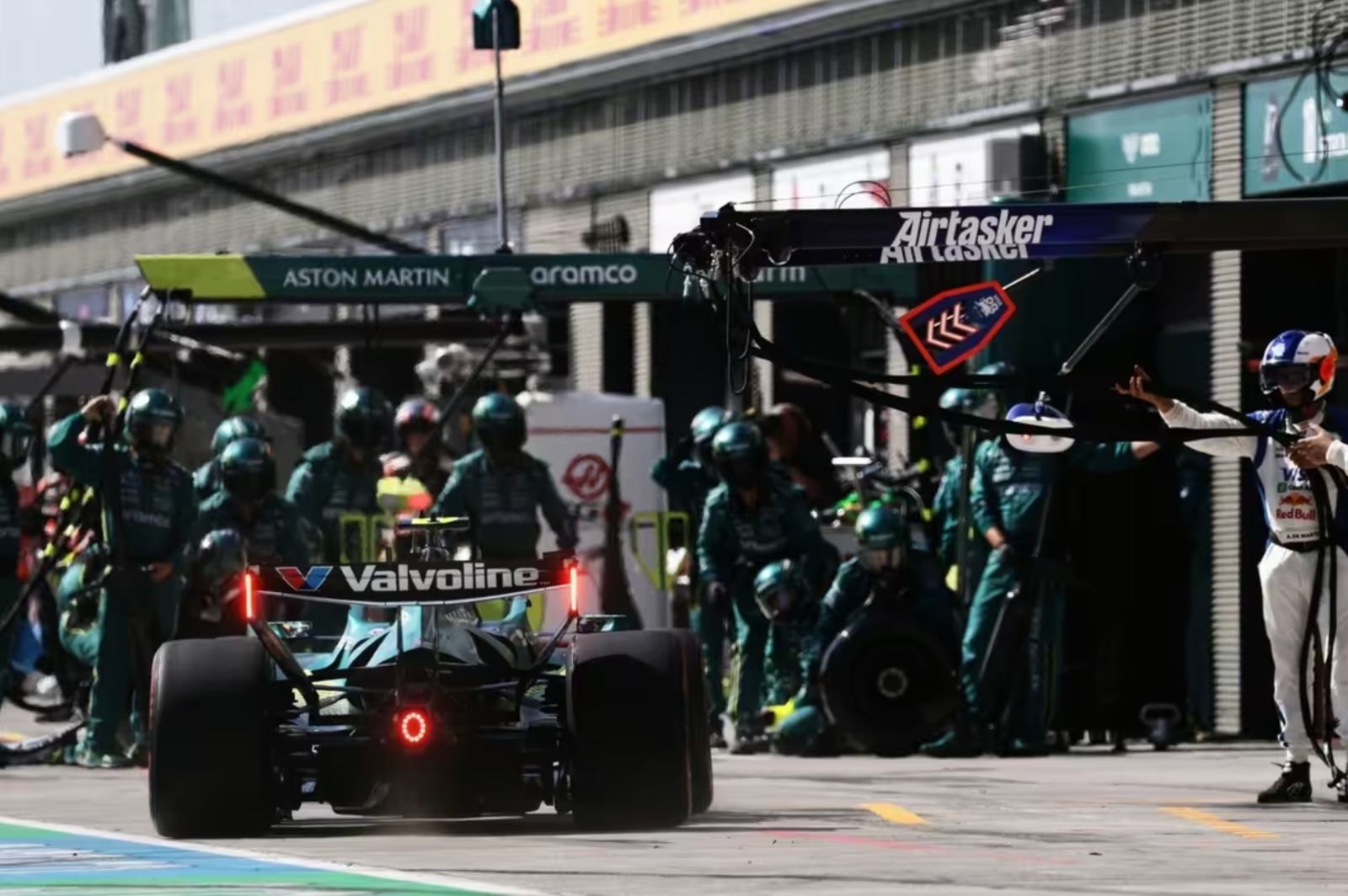
Ferrari mechanics were immediately tasked with a race against time. With qualifying looming shortly after the practice session, the team had only a narrow window to assess the damage and rebuild the car. Reports suggested that multiple components would need replacing, including the floor, rear wing, suspension elements, and possibly even the gearbox. Such extensive repairs not only strain the team’s resources but also carry the risk of penalties if regulatory limits on component usage are exceeded.
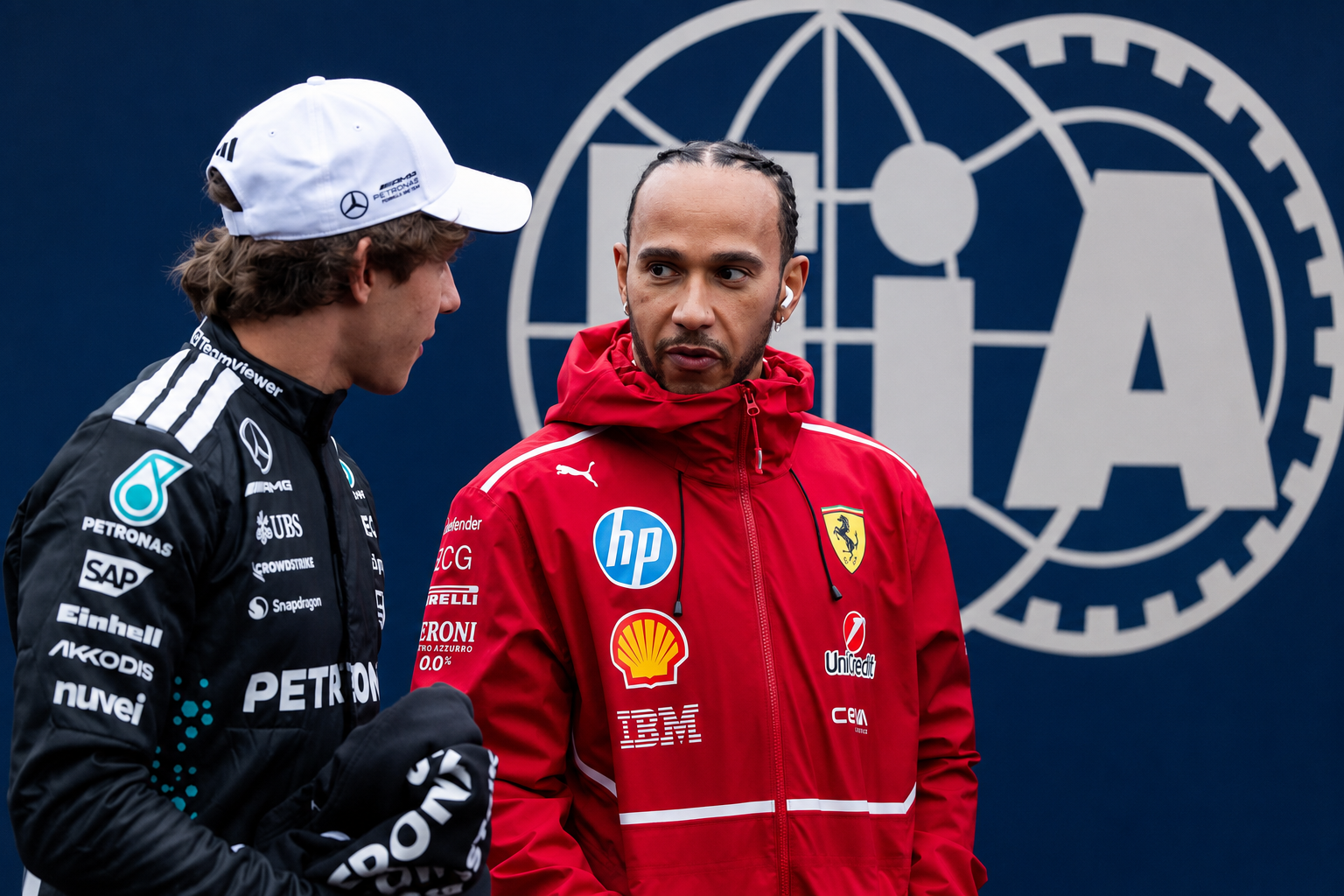
The incident added to what had already been a challenging weekend for Ferrari. Leading up to the Belgian Grand Prix, the team had acknowledged that they were slightly off the pace compared to their main rivals, particularly Mercedes. Hamilton himself had hinted that Ferrari was “lacking a little bit” during earlier sessions, highlighting the ongoing struggle to match the front-runners consistently.
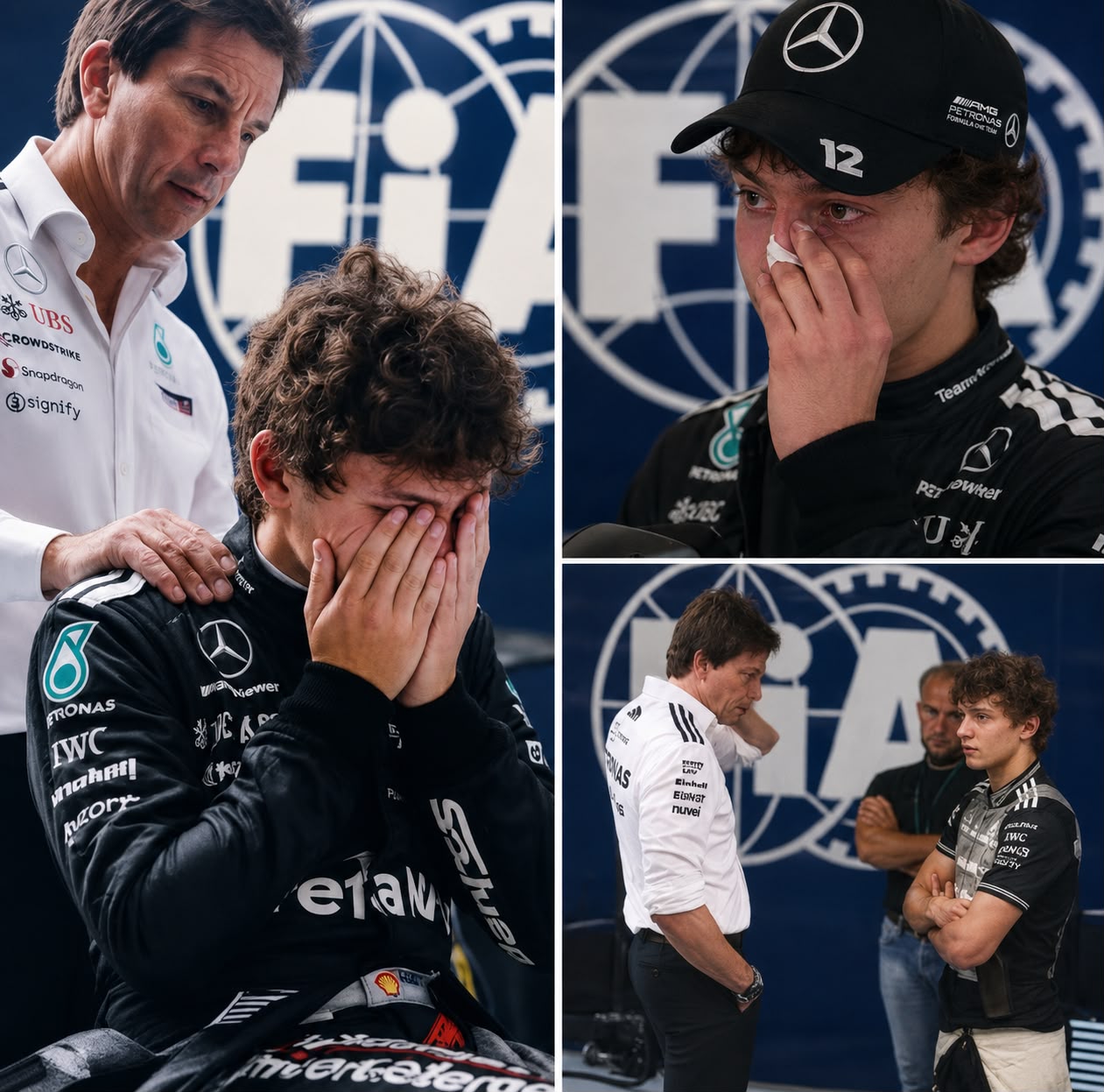
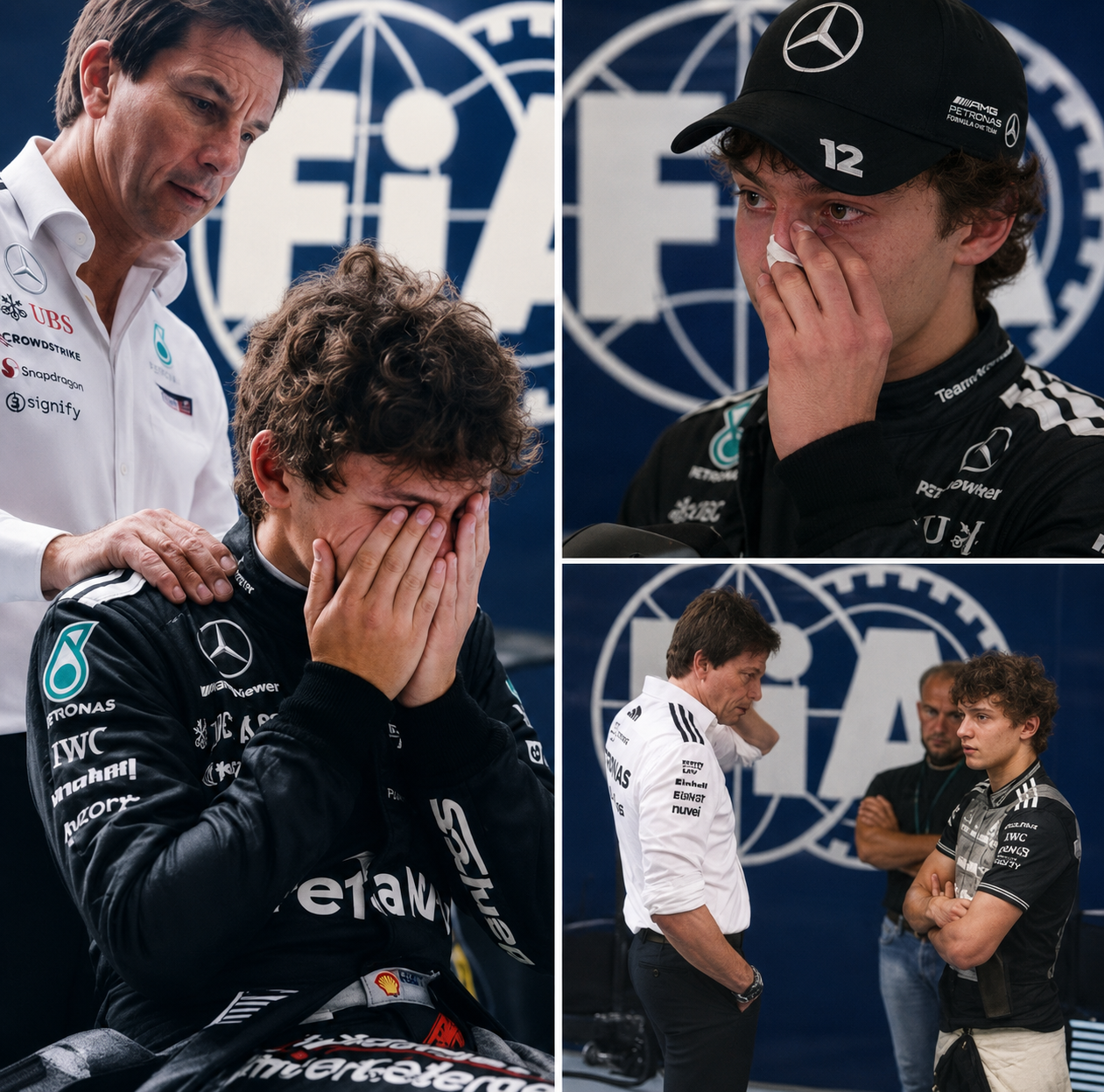
Meanwhile, the session itself was dominated by Mercedes youngster Kimi Antonelli, who delivered an impressive performance to top the timesheets. His pace underlined Mercedes’ strong form and added further pressure on Ferrari to respond. Other contenders, including Max Verstappen and George Russell, also demonstrated solid pace, reinforcing the competitive nature of the field heading into qualifying.
Hamilton’s crash also had a ripple effect on other drivers. With yellow flags deployed in the area, some drivers were forced to abandon their laps, while others had to take evasive action. At one point, Verstappen was seen slowing significantly, which nearly led to an incident with another car approaching from behind. These moments of chaos highlight how a single mistake can influence multiple competitors in Formula 1, where margins are incredibly fine.
From a broader perspective, the crash served as a reminder of the unforgiving nature of Spa-Francorchamps. Known for its high-speed corners, elevation changes, and unpredictable conditions, the circuit demands absolute precision from drivers. Even minor misjudgments can lead to significant consequences, as demonstrated by Hamilton’s accident.
Despite the setback, there was still a sense of resilience within the Ferrari camp. Teams at this level are well-accustomed to dealing with adversity, and the mechanics’ ability to rebuild the car in time for qualifying showcased their expertise and determination. Hamilton, too, demonstrated his experience by regrouping quickly, focusing on the task ahead rather than dwelling on the mistake.
Remarkably, after the extensive repair work, Hamilton was able to return to the track for qualifying and deliver a respectable performance. Although not at the very front of the grid, his effort ensured that he remained in contention for valuable points in the race.
Looking ahead, the incident raised important questions about Ferrari’s consistency and reliability. While flashes of speed suggest that the car has potential, incidents like this highlight the challenges of maintaining performance under pressure. For Hamilton, who is competing at the highest level and chasing further success in his illustrious career, minimizing such errors will be crucial.
Ultimately, the late crash at the Belgian Grand Prix weekend encapsulated the drama and unpredictability of Formula 1. It was a moment that tested both driver and team, disrupted preparations, and added another layer of intrigue to an already competitive season. While the immediate impact was negative, the response from Ferrari and Hamilton demonstrated the resilience that defines the sport.
As the race weekend unfolded, all eyes remained on whether Hamilton could recover from the setback and convert his determination into a strong result on race day. In Formula 1, fortunes can change rapidly, and even the most challenging moments can become stepping stones to redemption.