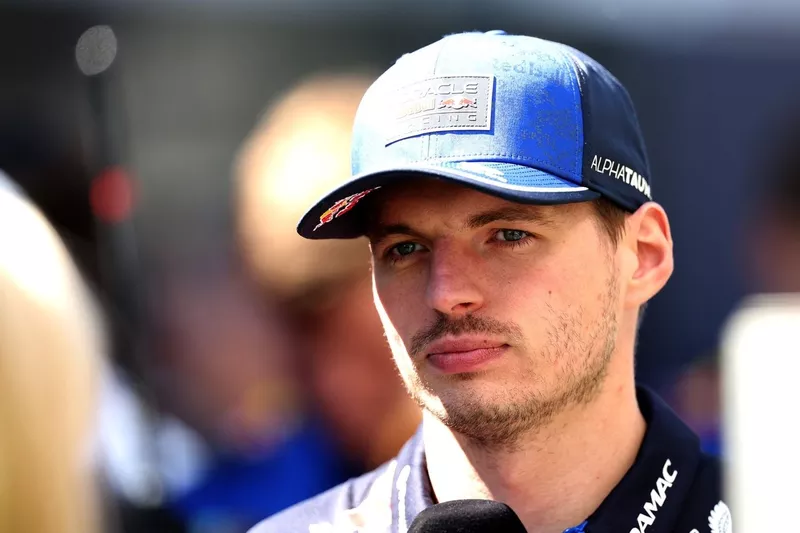

Four-time Formula 1 world champion Max Verstappen has responded sharply to former driver Juan Pablo Montoya after the Colombian suggested that the Dutchman deserved disciplinary action for repeatedly criticizing Formula 1’s new regulations. The disagreement has quickly become one of the most talked-about topics in the paddock, highlighting the growing tension surrounding the sport’s controversial 2026 rule changes and the increasingly outspoken opinions of some leading drivers.
The drama began when Montoya publicly argued that Verstappen’s comments about Formula 1’s latest technical era had crossed a line. Verstappen has been among the most vocal critics of the new-generation cars, particularly the revised hybrid systems and energy-management requirements introduced for the 2026 season. Over recent months, the Red Bull driver repeatedly described the racing style as less natural and less enjoyable than previous eras, even comparing some aspects of the new machinery to arcade-style racing games.
Montoya, however, believes that while drivers are entitled to opinions, there should still be a level of respect shown toward the championship itself. Speaking on the BBC’s Chequered Flag podcast, the former Williams and McLaren driver argued that Verstappen’s remarks were damaging to the image of the sport. He insisted that criticism should remain constructive rather than dismissive or mocking. According to Montoya, the FIA should even consider adding penalty points to Verstappen’s super licence as a warning against repeatedly undermining Formula 1 publicly.
The Colombian went as far as suggesting that Verstappen should receive enough licence points to place him close to a race ban. Under FIA regulations, drivers who accumulate 12 penalty points within a twelve-month period automatically receive a one-race suspension. Verstappen currently carries a small number of penalty points already, meaning Montoya’s proposal would move him significantly closer to disciplinary action.
Montoya’s comments immediately generated strong reactions across the Formula 1 community. Many fans and analysts felt the suggestion was excessive, arguing that drivers should always have the freedom to criticize rules they believe negatively affect racing quality. Others agreed with Montoya’s broader point that leading stars carry enormous influence and therefore should be careful about how they discuss the sport publicly.
Social media discussions exploded following the interview, with many supporters defending Verstappen’s honesty. Several fans pointed out that Formula 1 drivers have historically voiced strong opinions about regulations, car performance, and governance without facing punishment. Others noted that Verstappen was simply expressing frustrations shared privately by many competitors on the grid.
When Verstappen was later questioned about Montoya’s remarks, the Red Bull star dismissed the criticism and reportedly labelled the comments as “nonsense.” The reigning champion appeared unimpressed by the idea that drivers should face sanctions simply for speaking openly about technical regulations or the direction of the sport. Verstappen has consistently positioned himself as someone unwilling to hide his feelings, especially when he believes certain changes reduce the quality of racing.
The controversy also reflects the wider uncertainty surrounding Formula 1’s current technical transition. The 2026 regulations introduced heavier reliance on electrical energy deployment and new power-unit concepts aimed at sustainability and efficiency. While Formula 1 leadership views the changes as essential for the future of the championship, several drivers and teams have expressed concerns that the new systems may compromise pure racing excitement.
Verstappen, in particular, has repeatedly warned that excessive energy management could make racing feel artificial. At different stages during the season, he suggested drivers were spending too much time managing systems rather than pushing flat-out. Some of his comments compared the new era to “Formula E on steroids,” while other remarks jokingly referenced video games like Mario Kart. Those statements appear to have particularly irritated Montoya, who believes such language disrespects Formula 1’s legacy and prestige.
Despite the criticism, Verstappen’s direct communication style has long been one of the defining features of his personality. Throughout his career, the Dutchman has rarely softened his opinions for political reasons. Whether discussing stewarding decisions, car performance, or race strategy, Verstappen has consistently built a reputation for blunt honesty. Many fans admire that authenticity, believing it makes Formula 1 personalities feel more genuine in an increasingly media-managed environment.
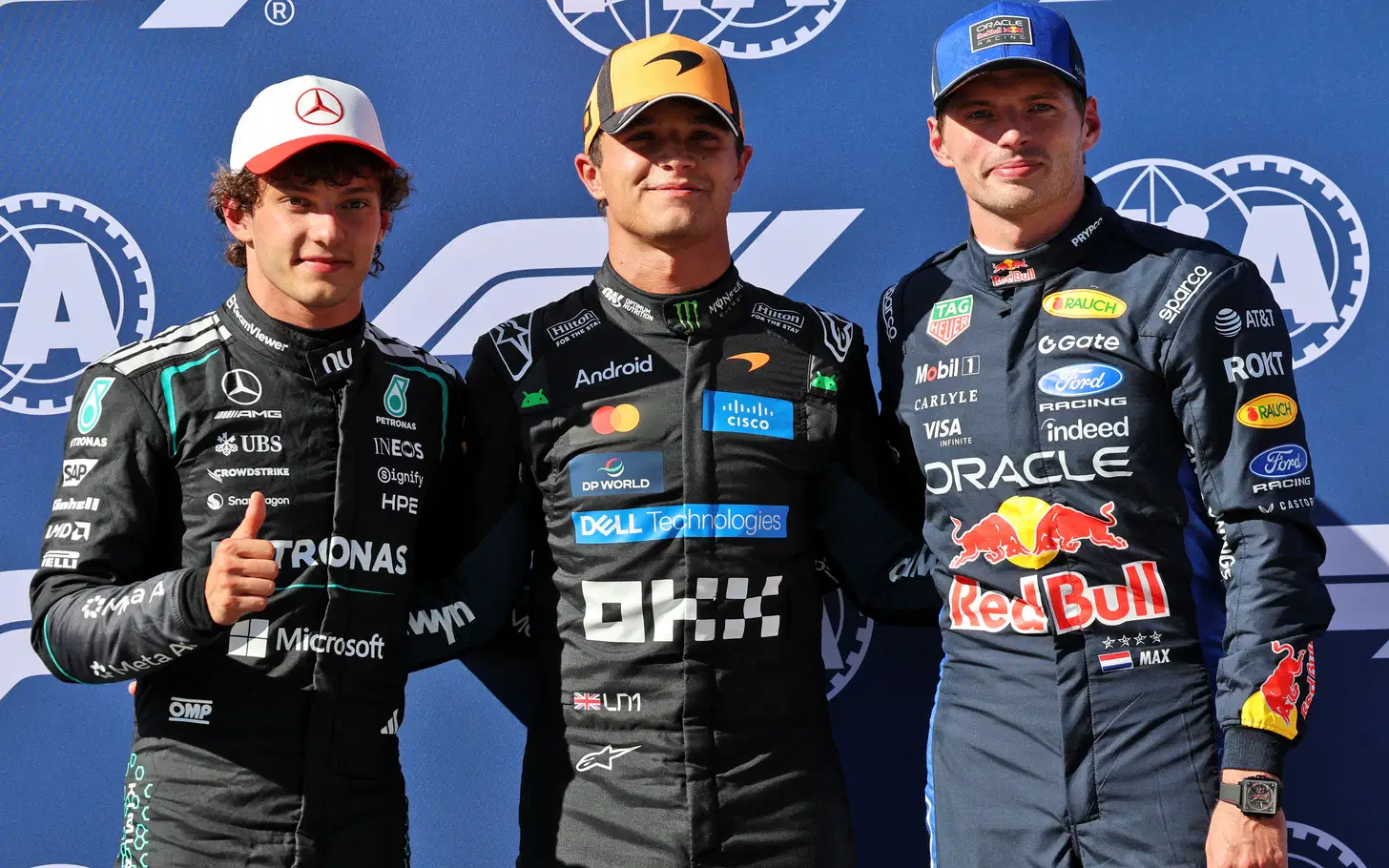
The timing of this controversy is also significant because Verstappen has endured a more difficult campaign than the dominant seasons that previously defined Red Bull’s success. Mercedes and McLaren have emerged as stronger challengers under the new regulations, with rising stars such as Kimi Antonelli and established names like George Russell becoming increasingly competitive.
At the Miami Grand Prix earlier in the season, Verstappen struggled to match the leading pace and eventually finished fifth after receiving a time penalty for crossing the pit exit line. The result highlighted the growing difficulties Red Bull has faced adapting to the new era.
Montoya believes moments like these partly explain Verstappen’s frustration, but he still feels that criticism should be expressed more responsibly. In his view, drivers can dislike regulations without publicly mocking the championship that supports their careers. He argued that Formula 1 remains bigger than any single driver and deserves protection from damaging narratives.
However, many observers believe Formula 1 also benefits from outspoken personalities willing to challenge authority. Some analysts argue that driver criticism often forces the FIA and Formula 1 management to address genuine concerns that might otherwise be ignored. In previous eras, legendary champions such as Lewis Hamilton, Fernando Alonso, and Sebastian Vettel have all openly criticized aspects of the sport without calls for suspension.
The situation ultimately highlights a deeper debate about Formula 1’s future direction. On one side are those prioritizing sustainability, technological innovation, and long-term manufacturer involvement. On the other are traditionalists who fear the sport risks losing the raw, aggressive racing characteristics that made Formula 1 famous. Verstappen has increasingly become the public face of that second viewpoint.
For now, there is no indication that the FIA intends to punish Verstappen over his comments, and Montoya’s proposal appears unlikely to become reality. Nevertheless, the exchange has intensified discussions about free speech within Formula 1 and the balance between constructive criticism and protecting the image of the championship.
As the season progresses, Verstappen’s performances, Red Bull’s competitiveness, and Formula 1’s evolving regulations will remain under close scrutiny. One thing is certain: the Dutchman has no intention of staying silent, while Montoya clearly believes the sport must defend its reputation more aggressively. Their disagreement has become yet another chapter in Formula 1’s endless tradition of controversy, personality clashes, and passionate debate.