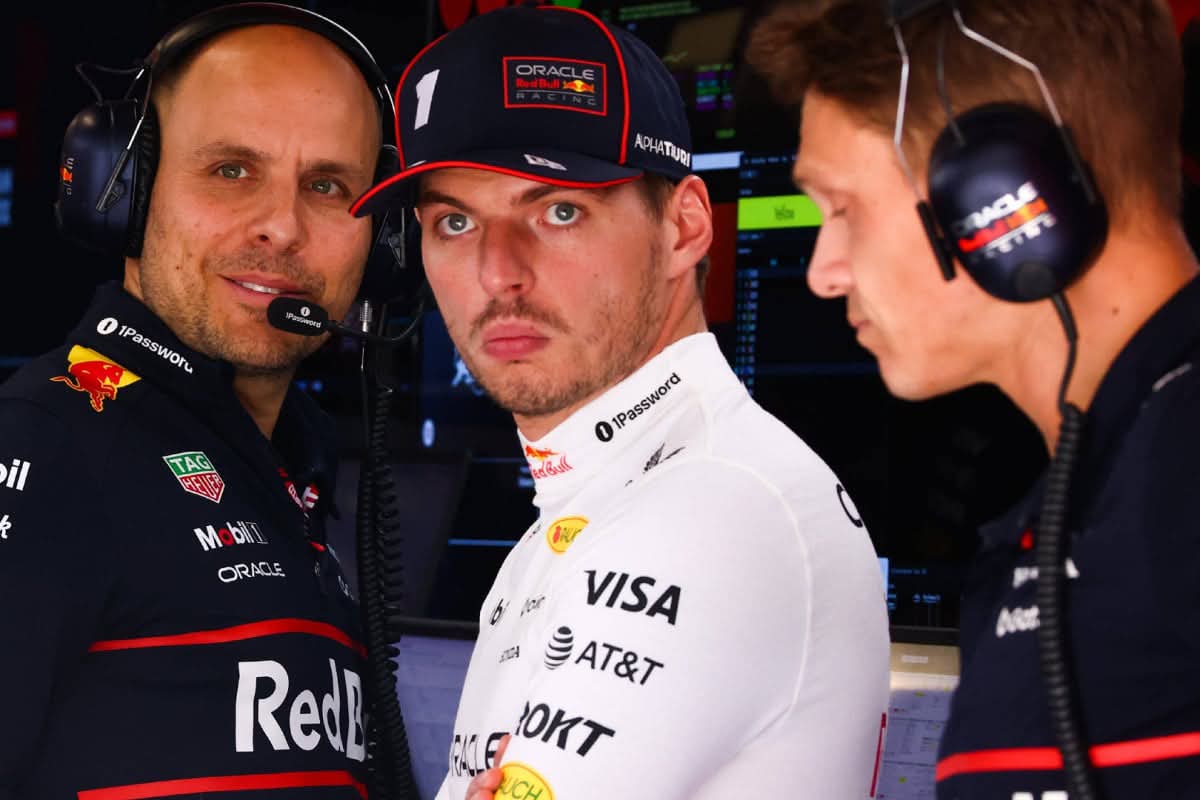
Formula 1 world champion Max Verstappen is set to receive another engine change from Red Bull after the team admitted responsibility for a costly issue that affected his performance. The development comes during a tense stage of the 2026 Formula 1 season, with the championship battle becoming increasingly competitive and every race weekend carrying major significance.
Red Bull reportedly decided to install a fresh power unit in Verstappen’s car following concerns that emerged during recent race weekends. The reigning champion had experienced several technical difficulties, which raised questions about reliability inside the Milton Keynes-based team. While Verstappen has continued to deliver strong performances despite the setbacks, Red Bull acknowledged that mistakes on their side contributed to the situation.
The Dutch driver has once again demonstrated why he remains one of the most complete drivers on the grid. Even when facing mechanical limitations and setup concerns, Verstappen consistently extracted maximum performance from the RB machinery. However, recent problems appear to have pushed Red Bull into taking immediate action to avoid further damage to their championship hopes.
Reports indicate that Red Bull issued an apology after discovering the source of the issue affecting Verstappen’s car. Team representatives admitted that the problem should have been identified earlier, especially given the level of pressure surrounding the title fight. Although the team did not publicly reveal every technical detail, the acknowledgment highlights the seriousness of the matter.
The engine swap is expected to provide Verstappen with improved reliability and performance heading into the upcoming races. Modern Formula 1 engines operate under extremely demanding conditions, and even minor faults can dramatically impact lap times, tire management, and overall race pace. Red Bull therefore acted quickly to minimize any long-term consequences.
Verstappen himself remained relatively calm while addressing the situation. The four-time world champion has built a reputation for maintaining composure during difficult moments, and he reportedly focused on solutions rather than frustration. Nonetheless, there is little doubt that the repeated technical concerns have tested both the driver and the team throughout the season.
The timing of the engine change is particularly important because the championship standings remain incredibly tight. Rivals from Ferrari, Mercedes, and McLaren continue to apply pressure, meaning Red Bull cannot afford unnecessary setbacks. Every point lost due to reliability problems could become decisive by the end of the campaign.
Sources close to the team suggest that engineers spent significant time analyzing data after the previous race weekend. The investigation eventually pointed toward issues within the power unit package, prompting the decision to introduce a new engine. Red Bull’s technical department reportedly worked around the clock to ensure the replacement would be fully optimized before the next event.
Formula 1 regulations surrounding engine allocations also add another layer of complexity. Teams are limited in the number of power unit components they can use during a season before penalties are triggered. Because of this, Red Bull needed to carefully evaluate whether introducing another engine was worth the potential risks. Their final decision suggests they believed reliability concerns outweighed any alternative strategy.
For Verstappen, maintaining momentum remains the key priority. Despite occasional difficulties, he has continued to score valuable points and keep himself firmly in championship contention. His ability to perform under pressure has often separated him from rivals, especially during unpredictable race weekends.
The apology from Red Bull also reflects the high standards within the organization. Since dominating previous seasons, expectations surrounding the team have remained enormous. Any operational mistake naturally attracts attention, particularly when it affects a driver of Verstappen’s caliber. By publicly accepting responsibility, Red Bull appeared determined to show accountability while reassuring both fans and sponsors.
Team principal Christian Horner reportedly backed the decision to make immediate changes rather than delay the process. Horner understands that maintaining trust between driver and team is essential during a championship fight. Verstappen has been central to Red Bull’s success in recent years, and ensuring he has confidence in the machinery is considered vital.
The issue also sparked broader discussion within the paddock regarding reliability challenges under the current generation of Formula 1 regulations. Teams continue to push technology to its absolute limits, often balancing aggressive performance targets against durability concerns. Even the smallest mechanical weakness can quickly become exposed during a demanding race calendar.
Rival teams will undoubtedly monitor the situation closely. Ferrari and McLaren, in particular, have shown strong pace throughout portions of the season, and any vulnerability from Red Bull could provide them with a significant opportunity. Mercedes has also gradually improved, adding further pressure at the front of the grid.
Despite the setbacks, Verstappen remains one of the favorites for the championship. His consistency, racecraft, and adaptability continue to make him a formidable competitor. Even when the car has not been perfect, he has frequently managed to outperform expectations and deliver crucial results for Red Bull.
Fans reacted strongly to the news of the engine change and apology. Many supporters praised Red Bull for admitting fault rather than avoiding responsibility, while others questioned whether deeper reliability concerns may still exist within the team. Social media discussions intensified as speculation grew over how the engine change could influence future races.
The upcoming race weekends are now expected to play a critical role in determining whether Red Bull has fully solved the issue. If Verstappen immediately returns to dominant form, confidence within the garage could quickly recover. However, additional technical problems would likely increase pressure on the engineers and leadership group.
Another major factor involves the psychological side of the championship battle. Drivers often rely heavily on confidence in their machinery, especially when pushing at the limit during qualifying laps and wheel-to-wheel battles. By introducing a new engine package, Red Bull hopes to remove uncertainty and allow Verstappen to focus entirely on driving.
There is also the question of long-term strategy. Teams must carefully manage resources throughout the season, balancing immediate competitiveness with future reliability. Red Bull’s decision to act now may ultimately prove decisive if it prevents more serious failures later in the year.
The relationship between Verstappen and Red Bull has been one of the defining partnerships of modern Formula 1. Together, they have achieved multiple championships and countless victories. Situations like this test the strength of that partnership, but they also provide opportunities for the team to demonstrate resilience and unity.
As Formula 1 heads into another crucial phase of the season, all eyes will remain on Verstappen and Red Bull. The introduction of a new engine, combined with the team’s public apology, has added another dramatic chapter to an already intense championship campaign.
Whether the change restores complete confidence and reliability will become clear over the coming races. What remains certain is that Verstappen will continue pushing for victories, while Red Bull works tirelessly to ensure technical issues do not derail their ambitions. In a season where margins are incredibly small, solving these problems quickly could ultimately determine who lifts the championship trophy at the end of the year.