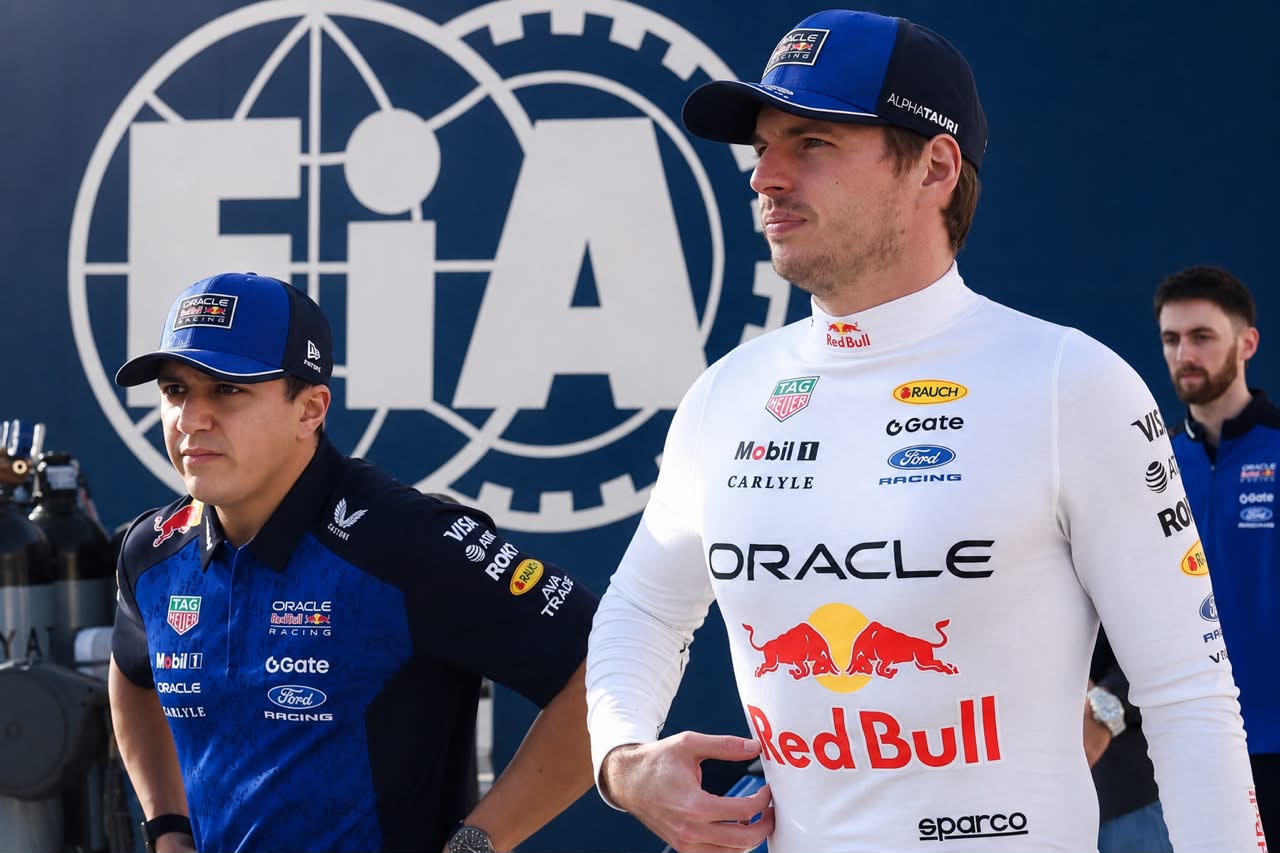

Tension is once again rising inside the Formula 1 paddock after McLaren leadership called on the FIA to take a closer look at Red Bull amid growing concerns surrounding technical and regulatory matters. The latest controversy has added another chapter to the increasingly fierce rivalry between the two powerhouse teams, with accusations, investigations, and political pressure becoming just as intense off the track as the battles taking place during race weekends.
At the center of the latest debate is McLaren CEO Zak Brown, who has repeatedly urged Formula 1’s governing body, the FIA, to be more aggressive in monitoring potential rule breaches and technical loopholes. Brown’s latest comments come during a period where suspicion between top teams has become a recurring theme in the sport, particularly as the competition for championships grows tighter and the 2026 regulation era approaches.
McLaren’s position is clear: the team believes Formula 1 must maintain strict transparency and consistency when dealing with technical matters that could potentially provide an unfair competitive advantage. Brown has openly stated that if teams suspect wrongdoing, those concerns must be investigated thoroughly rather than dismissed quickly. His stance has reignited debates over how the FIA handles allegations involving major teams like Red Bull.
The controversy follows several recent incidents in Formula 1 where rival teams questioned aspects of Red Bull’s car design and operational procedures. One of the most notable examples involved suspicions over a front bib adjustment mechanism that allegedly allowed modifications under parc fermé conditions. Although Red Bull denied any wrongdoing and the FIA said there was no evidence of a breach, Brown insisted that the governing body needed to conduct a far more detailed investigation into the matter.
Brown argued that even the existence of such a mechanism raised important questions. According to him, Formula 1 teams do not usually design systems without a competitive purpose, and therefore any feature capable of influencing performance deserves scrutiny. He also suggested that if the FIA had to introduce additional sealing procedures or monitoring methods, it indicated that the governing body itself recognized the potential sensitivity of the issue.
The growing tension between McLaren and Red Bull reflects a broader political struggle currently shaping Formula 1. With teams pushing regulations to their absolute limits, suspicion has become a normal part of the competitive landscape. As performance gaps shrink, even the smallest technical advantage can become decisive in a championship battle.
McLaren’s concerns are not limited to a single issue. Brown has also previously criticized the increasing alliances and close cooperation between certain teams within the Formula 1 ecosystem. In a recent letter reportedly sent to FIA president Mohammed Ben Sulayem, Brown called for stricter measures to eliminate partnerships that could compromise competitive independence between teams.
While Brown did not directly accuse Red Bull in that specific case, many observers interpreted the comments as a reference to Red Bull’s relationship with its sister operation, Racing Bulls. Questions surrounding data sharing, technical collaboration, and strategic alignment between affiliated teams have become increasingly controversial in recent seasons.
The FIA now finds itself under enormous pressure to prove that it can regulate the sport consistently and transparently. Every investigation involving a leading team quickly becomes a global talking point, amplified by fans, media outlets, and rival executives. Any perception of favoritism or inconsistency risks damaging confidence in the integrity of the championship.
This is not the first time Brown has spoken aggressively about FIA oversight. During previous disputes involving Red Bull, he made it clear that he believed stronger punishments and clearer investigations were necessary whenever there were suspicions of rule manipulation. Brown has consistently maintained that Formula 1’s credibility depends on ensuring every team operates within the same boundaries.
The rivalry between McLaren and Red Bull has intensified dramatically over the last two seasons. McLaren’s rapid performance improvement transformed the team from midfield challengers into regular contenders for podiums and victories. That resurgence naturally placed them into direct conflict with Red Bull, which had dominated Formula 1 for an extended period.
As McLaren closed the gap, scrutiny from rival teams also increased. Red Bull reportedly questioned aspects of McLaren’s tire temperature management and aerodynamic efficiency, while McLaren pushed back against accusations and challenged Red Bull to formally protest if genuine evidence existed.
That exchange exposed how deep the mistrust has become between leading teams. Instead of limiting their battles to lap times and race strategy, team bosses are now increasingly using public statements and political pressure as tactical weapons in the championship fight.
Meanwhile, the FIA continues trying to balance transparency with confidentiality. Investigations often involve sensitive technical information that teams are reluctant to expose publicly. However, when outcomes are announced without detailed explanations, rival teams and fans frequently demand more clarity.
The situation has become even more complicated as Formula 1 prepares for the massive 2026 regulation overhaul. The new engine and chassis rules are expected to reshape the competitive order, meaning teams are already fighting aggressively behind the scenes to secure every possible advantage before the new era begins.
Red Bull, for its part, has consistently denied allegations of misconduct and maintains that its cars comply fully with FIA regulations. Team representatives have repeatedly stated that all components and systems used on their cars are legal and available for FIA inspection whenever requested.
Despite that, rival teams continue pushing for tighter policing and deeper investigations into technical innovations. In modern Formula 1, the line between innovation and exploitation is often extremely thin, which is why controversies like this continue to dominate headlines.
Fans have also become deeply invested in the political drama surrounding Formula 1. Social media discussions, online debates, and reactions from former drivers and analysts have turned every technical controversy into a major talking point across the sport. The intense scrutiny means that even relatively minor regulatory questions can quickly escalate into global controversies.
McLaren’s latest demands therefore represent more than just concern about one rival team. They reflect a growing belief among competitors that Formula 1’s governing structure must evolve alongside the increasing sophistication of modern engineering and competition.
Whether the FIA decides to take further action against Red Bull remains uncertain. However, one thing is already clear: the relationship between the sport’s top teams is becoming increasingly confrontational, and the political battle behind the scenes may become just as important as the championship fight itself.
As the season progresses and the countdown to the new regulation era continues, every technical disagreement, every investigation, and every accusation is likely to carry enormous significance. With championship ambitions, financial stakes, and reputations all on the line, Formula 1’s off-track warfare shows no signs of slowing down anytime soon.