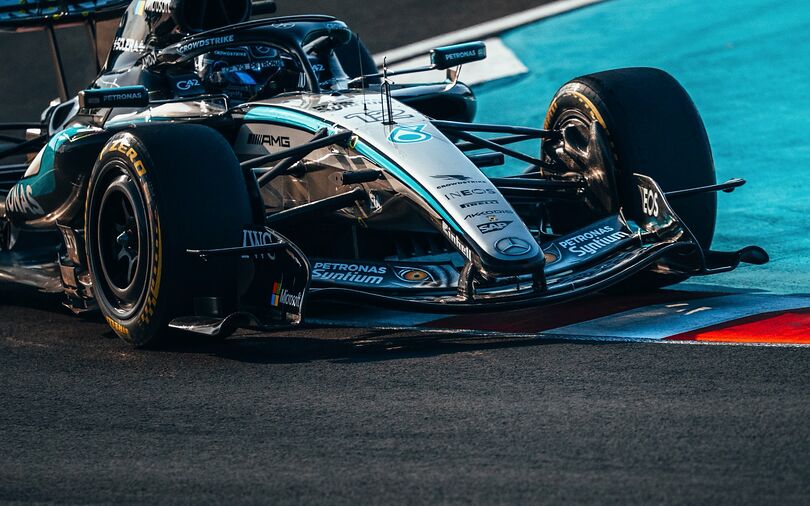

Mercedes endured a heartbreaking end to what had looked like a potentially dominant weekend at the 2026 Canadian Grand Prix after George Russell was forced to retire while battling for victory in Montreal. The British driver had appeared in complete control for much of the weekend, securing strong performances in both qualifying and the sprint race, only for a sudden technical issue to destroy his hopes of a crucial championship win.
The race at the Circuit Gilles Villeneuve had developed into one of the most dramatic contests of the season, with Russell and Mercedes teammate Kimi Antonelli locked in an intense wheel-to-wheel fight for the lead. Their duel showcased the growing rivalry within the Mercedes garage, as the young Italian once again demonstrated why he has quickly become one of Formula 1’s most talked-about stars. Despite the pressure, Russell remained aggressive and composed, exchanging positions with Antonelli several times during the opening half of the Grand Prix.
However, the battle came to a devastating conclusion on lap 30 when Russell suddenly slowed with a major technical failure. According to Mercedes, the issue originated from the power unit system, with reports later suggesting a battery module failure caused the car to completely shut down. The abrupt problem left Russell without proper electronics and braking assistance as he attempted to guide the car safely off the circuit.
The retirement instantly changed the complexion of the race. Antonelli inherited the lead and ultimately went on to claim another impressive victory, extending his championship advantage significantly in the process. What had begun as a potentially perfect weekend for Russell instead became another painful setback in a season increasingly shaped by reliability problems and missed opportunities.
Russell’s frustration after the race was understandable. The Mercedes driver had delivered one of his strongest weekends in recent memory, showing exceptional pace from the opening practice sessions onward. He secured pole position for both the sprint and the Grand Prix itself, won the sprint race, and looked capable of controlling Sunday’s main event before reliability intervened.
Speaking after the retirement, Russell admitted he was struggling to process what had happened. He explained that the car simply switched off without warning as he entered a corner, leaving him with almost no control systems functioning properly. The sudden nature of the failure made the situation even more shocking, particularly considering Mercedes had looked extremely competitive throughout the Montreal weekend.
Despite the disappointment, Russell still found positives in the fierce racing battle with Antonelli. The pair had already clashed during the sprint race earlier in the weekend, where tensions briefly rose following aggressive overtaking attempts and accusations over track positioning. Mercedes team principal Toto Wolff was even forced to intervene over team radio to calm the situation and maintain order inside the garage.
On Sunday, however, the rivalry produced some thrilling Formula 1 action. Russell later described the duel as reminiscent of his karting days, praising the hard but fair nature of the fight. He emphasized that neither driver made contact despite racing on the limit for several laps, highlighting the respect that still exists between the teammates even as their championship battle intensifies.
Antonelli himself acknowledged how close the battle had become. The Italian admitted that the fight occasionally crossed into dangerous territory, but he also recognized the quality of racing both drivers produced. Their contest has already drawn comparisons to previous Mercedes intra-team rivalries, particularly the famous Lewis Hamilton and Nico Rosberg era that delivered both spectacular racing and significant internal tension.
Mercedes team boss Toto Wolff later revealed more details about the technical issue that caused Russell’s retirement. Initial assessments indicated a failure within the power unit system, specifically related to the battery module. The malfunction triggered a complete shutdown of critical systems, leaving Russell unable to continue despite leading the race at the time.
The timing of the problem could hardly have been worse for Russell’s championship ambitions. Antonelli’s victory extended the gap between the two Mercedes drivers to more than forty points, placing Russell under increasing pressure despite the season still being relatively young. Several races this year have already seen the Briton suffer through bad luck, strategy complications, or technical setbacks, making the Canadian Grand Prix another painful chapter in an increasingly frustrating campaign.
Ironically, Montreal had initially appeared to be the perfect opportunity for Russell to regain momentum. Mercedes arrived in Canada with important upgrades to the W17, believing the circuit characteristics would suit the package far better than some earlier venues on the calendar. Russell himself had sounded optimistic before the weekend began, insisting there was no reason to panic about the title race and expressing confidence in Mercedes’ improving performance.
Those expectations appeared fully justified once track action started. Mercedes demonstrated excellent pace throughout qualifying, while Russell looked especially comfortable around the demanding Canadian circuit. Even during changing conditions and intense pressure situations, the Briton consistently delivered impressive laps and race pace.
Yet Formula 1 can often be brutally unforgiving, and reliability remains one of the sport’s most decisive factors. Russell’s retirement not only cost him a potential victory but also handed a huge strategic advantage to Antonelli in the championship standings. With the Italian continuing his remarkable winning streak, Mercedes now faces the challenge of managing two highly competitive drivers while also ensuring technical reliability improves moving forward.
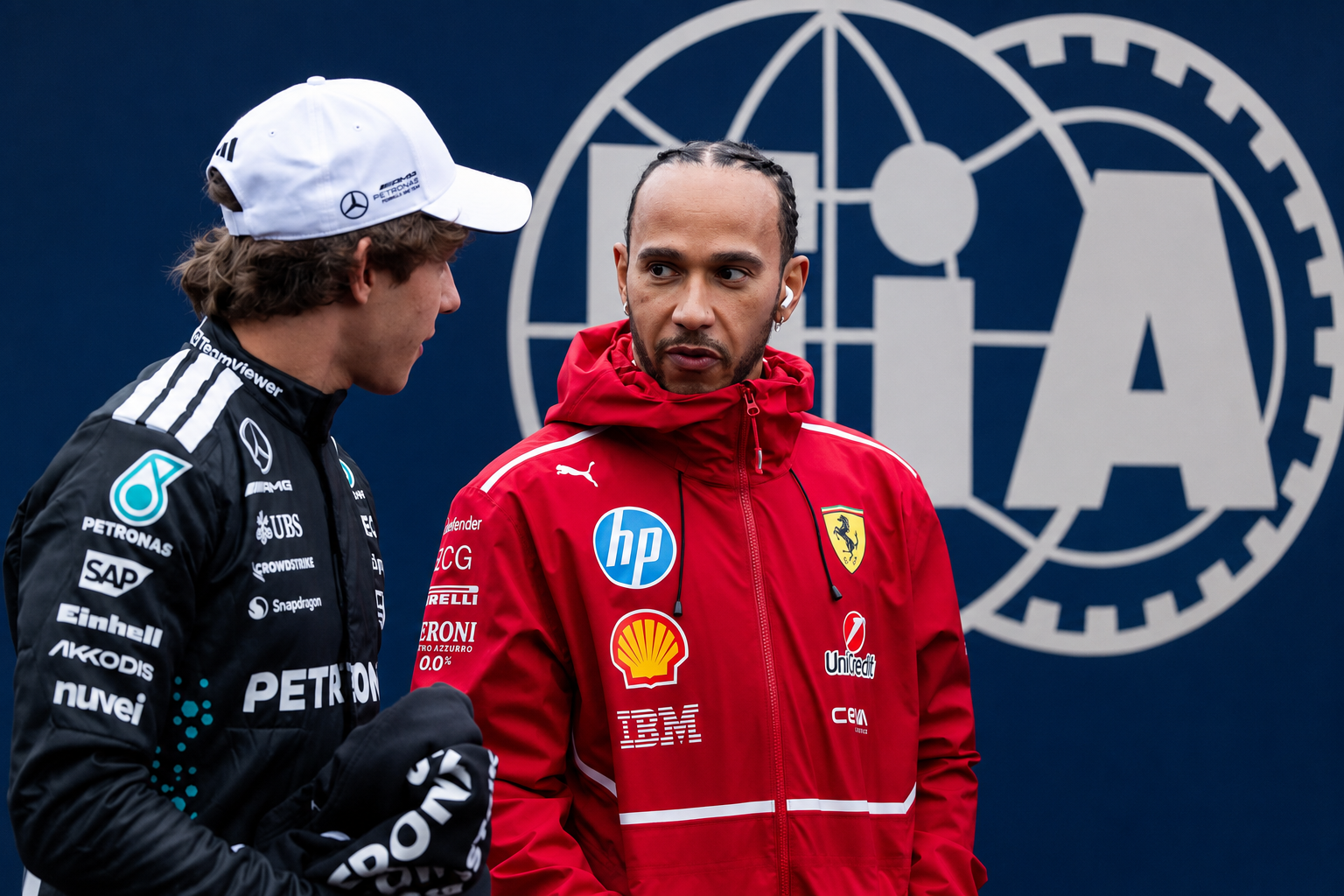
The dramatic race also produced significant consequences elsewhere on the grid. Lewis Hamilton capitalized on Russell’s retirement to secure a strong result for Ferrari, while Max Verstappen delivered one of Red Bull’s better performances of the season. Meanwhile, McLaren endured a disastrous afternoon as both cars failed to score points in a chaotic race filled with incidents and changing fortunes.
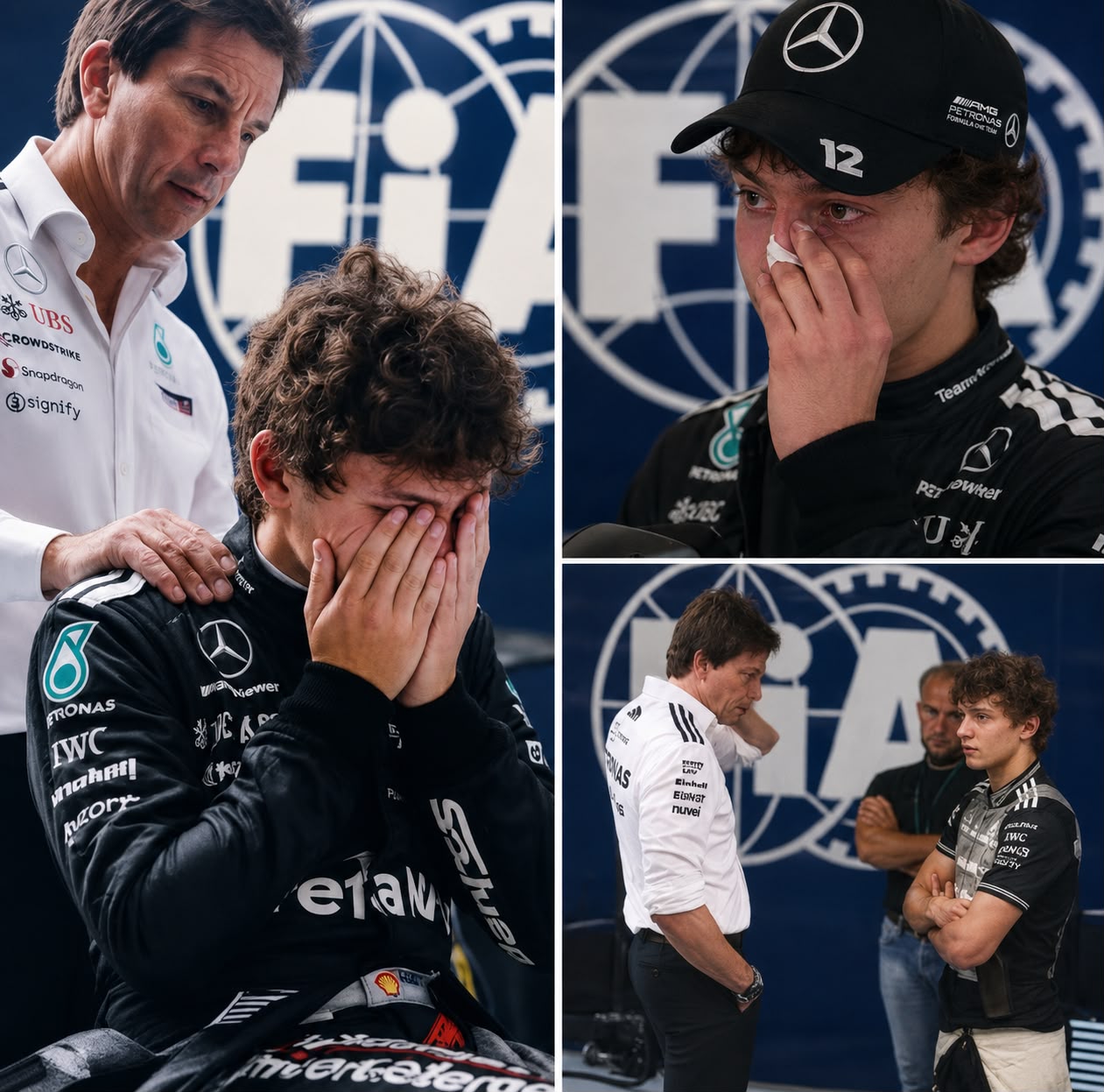
For Russell, though, the focus now shifts toward recovery and resilience. Although visibly devastated by the result, he insisted after the race that he remained proud of his performance across the weekend. From his perspective, there was very little more he could have extracted from the car, and he believes the level he displayed in Montreal proves he remains fully capable of challenging for the championship if reliability issues can finally be resolved.
Mercedes will now spend the coming days carefully investigating the precise cause of the failure, knowing that further technical problems could seriously damage their hopes in both championships. The pace shown in Canada suggests the W17 is now genuinely capable of fighting at the front consistently, but without dependable machinery, even dominant performances can quickly turn into painful missed opportunities.