Mercedes could be facing a significant setback in Formula 1 following a crucial decision involving Alpine, adding another layer of uncertainty to the competitive landscape ahead of the sport’s major regulatory changes. The latest developments have raised questions about Mercedes’ long-term strategic ambitions, particularly as rival teams continue positioning themselves for future success.
One of the biggest stories surrounding the German manufacturer concerns its reported interest in acquiring a minority stake in the Alpine Formula 1 team. For several months, speculation suggested that Mercedes was evaluating opportunities to strengthen its influence within the sport through a financial partnership with Alpine. Such a move would have given Mercedes additional strategic advantages, particularly as Formula 1 prepares for a new era under the 2026 regulations.
However, those plans have now come to an end. Reports indicate that Mercedes has decided not to continue pursuing a share in the Enstone-based team. The decision reportedly came after significant differences emerged regarding the valuation of Alpine. Investors connected to the French outfit were said to have placed a very high value on the available stake, a figure that Mercedes was unwilling to match.
The collapse of the discussions represents a notable disappointment for Mercedes. While the team remains one of the strongest forces on the grid, securing a financial interest in another Formula 1 operation could have provided valuable commercial and technical opportunities. Instead, Mercedes must now continue without that potential avenue of expansion.
The situation becomes even more interesting because Alpine is entering a transformative phase in its Formula 1 journey. After years of struggling with its Renault power unit project, Alpine has made the controversial decision to abandon its factory engine programme and switch to Mercedes power units from 2026 onwards. The move effectively ends a long chapter of Renault’s involvement as a full works engine manufacturer in Formula 1.
For Alpine, the decision was viewed as a pragmatic step. The team has faced repeated difficulties in extracting competitive performance from its Renault engines during the turbo-hybrid era. Despite periods of promise, the French manufacturer consistently found itself trailing behind rivals such as Mercedes, Ferrari, and Red Bull in terms of power unit performance.
Team officials have repeatedly explained that switching to Mercedes engines offers the best chance of improving competitiveness. By becoming a customer team, Alpine can redirect resources away from engine development and focus more heavily on chassis performance, aerodynamics, and operational efficiency.
Pierre Gasly has already highlighted the importance of this transition. The French driver believes Alpine could benefit significantly from access to what many expect to be one of the strongest power units under the upcoming regulations. However, he has also stressed that possessing a competitive engine alone will not guarantee success. The team must still produce a strong car capable of fully exploiting that advantage.
The end of Mercedes’ pursuit of an Alpine stake therefore creates an unusual situation. On one hand, Alpine will become a major Mercedes customer beginning in 2026. On the other hand, Mercedes will not possess any ownership position within the organisation. This means the relationship will remain strictly supplier and customer rather than evolving into a deeper strategic partnership.
The development arrives during a period when Formula 1 teams are already shifting substantial resources toward the next generation of regulations. The 2026 rule changes are expected to reshape the competitive order, with completely revised power units and significant aerodynamic revisions set to be introduced.
Many within the paddock believe the manufacturers that adapt quickest to the new rules could gain a decisive advantage. Mercedes has traditionally excelled when major regulation changes occur, most notably during the beginning of the hybrid era in 2014 when it established one of the most dominant periods in Formula 1 history.
Yet there are no guarantees that history will repeat itself. Rival manufacturers have invested enormous resources into their future programmes. Ferrari continues developing aggressively, while Red Bull Powertrains is preparing for its first complete engine project in partnership with Ford. Honda is also returning as a works partner through its collaboration with Aston Martin.
Against this backdrop, Mercedes’ inability to secure a stake in Alpine may limit certain strategic possibilities that could have become valuable in the future. Ownership interests often provide additional opportunities for collaboration, information sharing, and broader influence within the sport’s political and commercial environment.
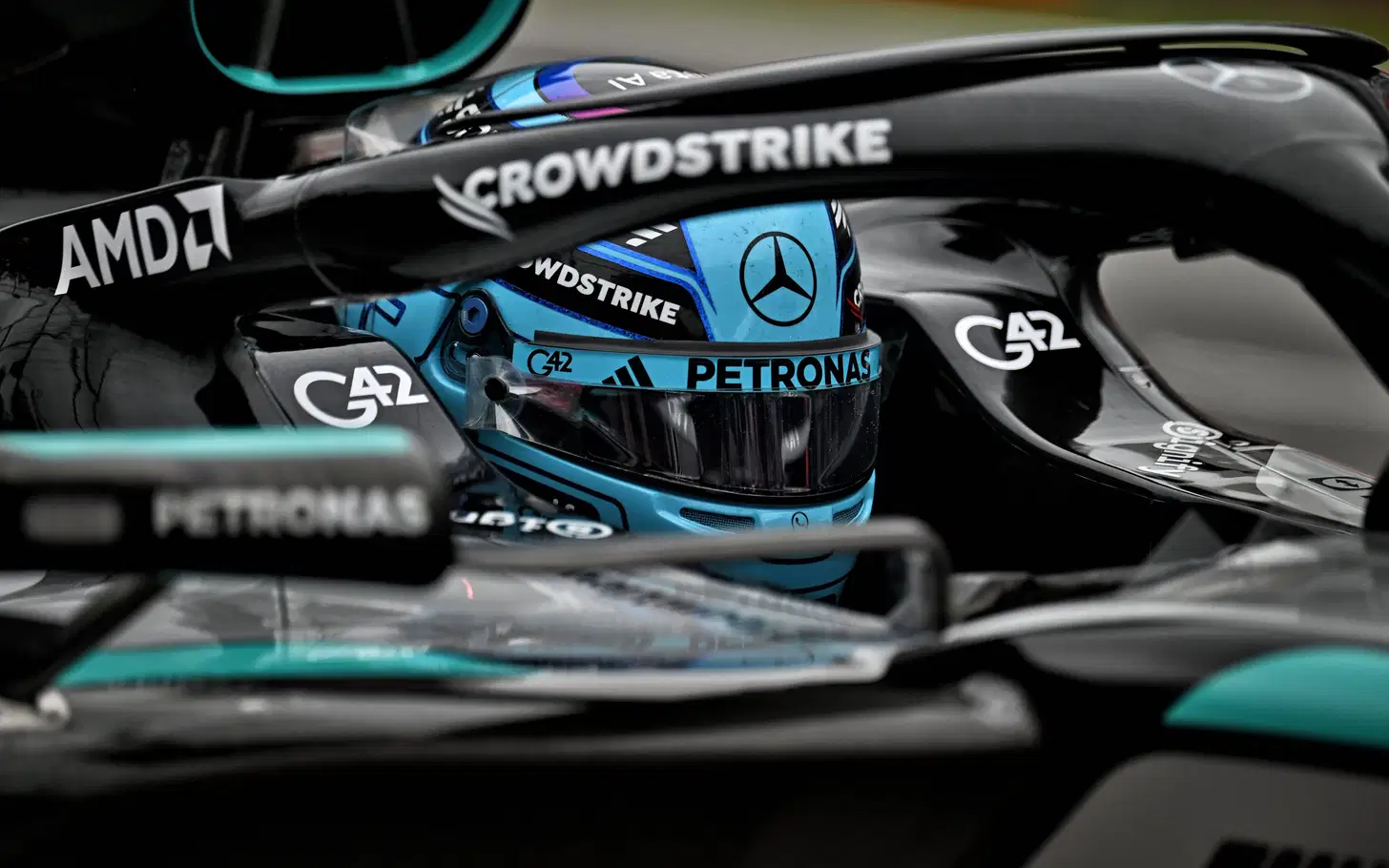
Meanwhile, Mercedes is also dealing with challenges on the track. The team recently experienced a major disappointment in Canada when George Russell retired from the race while leading. An unexpected failure within the energy recovery system caused a complete shutdown of his power unit, ending what had looked like a promising victory challenge.
The aftermath of that incident has created further frustration because Mercedes may have to wait several months before engineers can conduct a full investigation into the failed component. The lengthy delay means important answers regarding the cause of the problem may not emerge anytime soon.
As a result, Mercedes enters the next phase of the season balancing multiple concerns. The team remains highly competitive and continues to fight for championships, but setbacks both on and off the track have introduced complications that could influence its future direction.
For Alpine, the story is very different. The team views the upcoming Mercedes engine partnership as an opportunity to reset its ambitions. Years of instability, management changes, technical struggles, and disappointing results have left the organisation searching for a new identity. The switch to Mercedes power represents a bold attempt to accelerate progress and return to the front of the grid.
Whether that gamble succeeds remains uncertain. Alpine still faces enormous challenges in developing a competitive car and improving overall team performance. However, many observers believe the Mercedes partnership gives the team its best chance in years to close the gap to Formula 1’s leading contenders.
Ultimately, the latest developments underline how rapidly Formula 1’s competitive landscape is evolving. Mercedes may still be one of the sport’s most powerful teams, but the decision not to proceed with an Alpine investment removes a potentially valuable strategic asset. At the same time, Alpine’s commitment to Mercedes power units marks one of the most significant shifts ahead of the 2026 era.
As teams continue preparing for Formula 1’s next chapter, every decision carries enormous consequences. The success or failure of these choices may not become clear immediately, but they could play a major role in determining which organisations emerge strongest when the new regulations finally arrive.