
The drama surrounding the 2026 Formula 1 Monaco Grand Prix has taken yet another dramatic turn, as the official race classification has been revised once again following a crucial FIA hearing. In what has become one of the most controversial race weekends in recent memory, the amended results have reshaped the podium and reignited debates about consistency, fairness, and reliability in Formula 1 officiating.
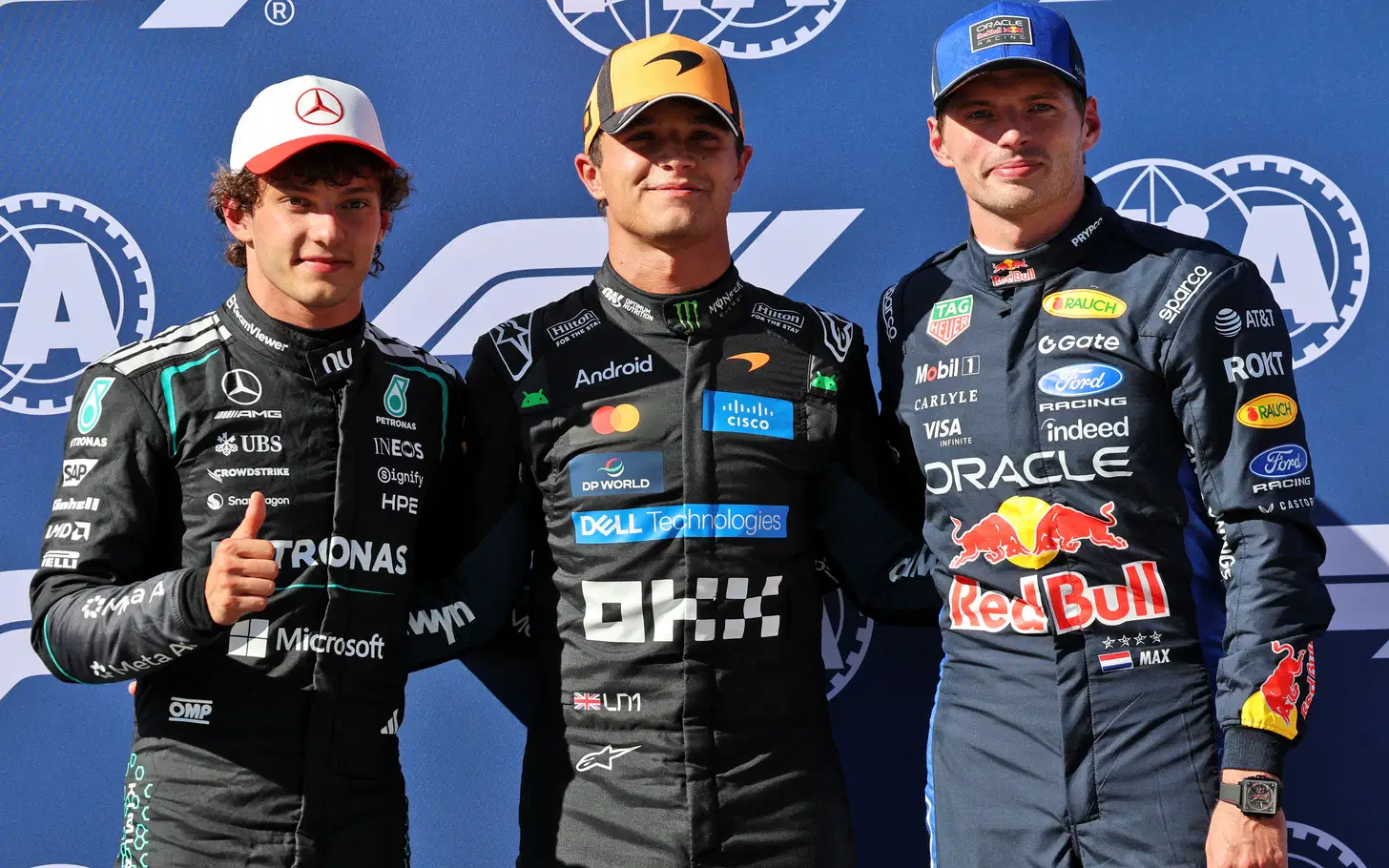
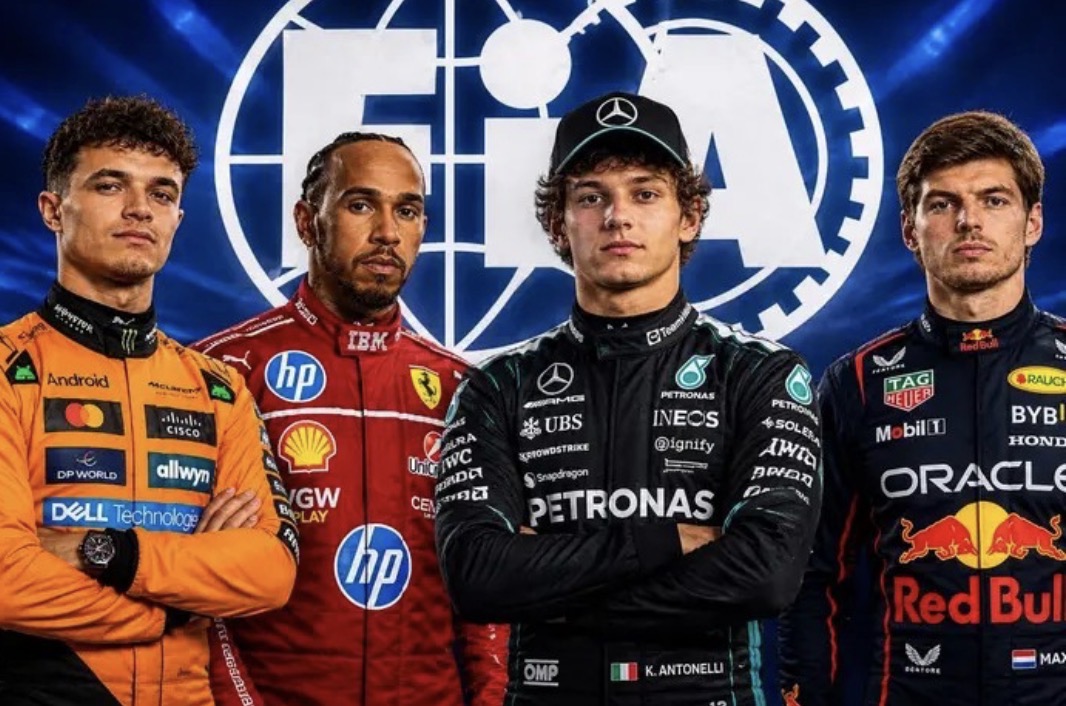
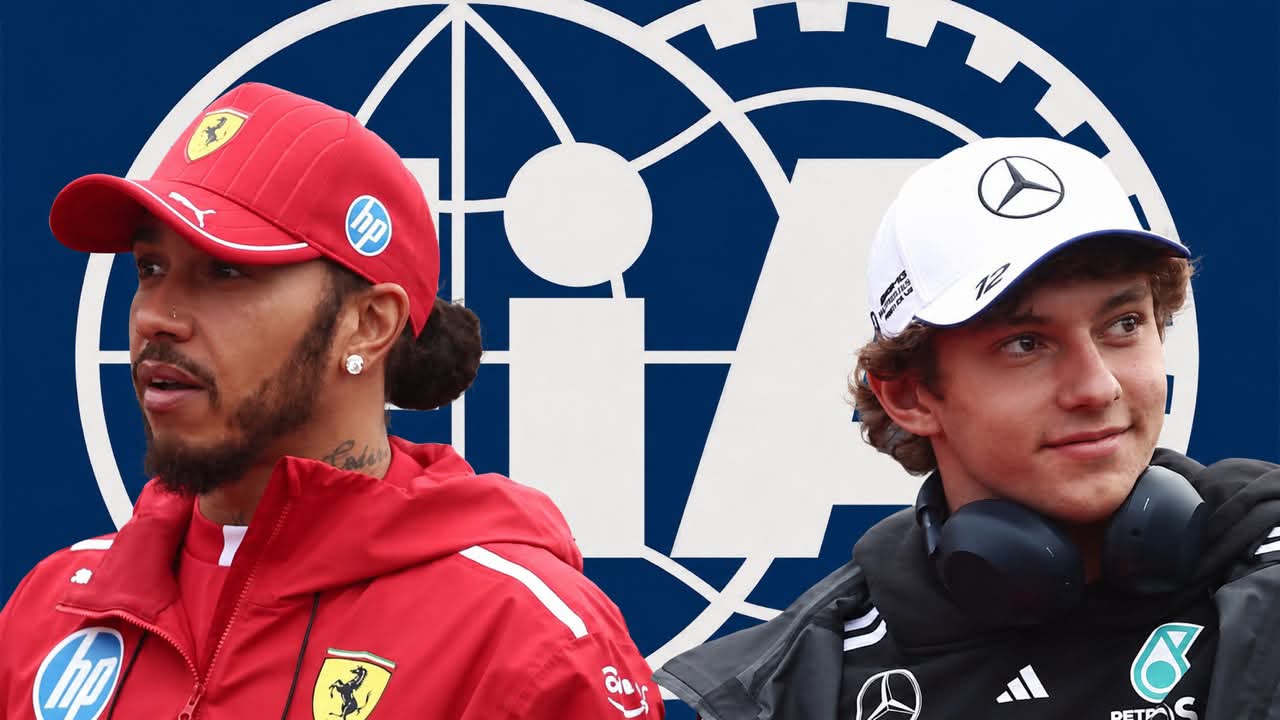
Initially, the Monaco Grand Prix appeared to have concluded in typical fashion, with Mercedes’ rising star Kimi Antonelli delivering a commanding performance to secure victory on the iconic streets of Monte Carlo. Lewis Hamilton followed in second place, while a surprising third-place finish was originally awarded to Red Bull’s Isack Hadjar. However, what seemed like a settled result quickly descended into confusion after multiple penalties were issued for alleged pit lane speeding violations.
Several drivers, including Alpine’s Pierre Gasly, were handed time penalties during or after the race for exceeding the pit lane speed limit. Gasly, in particular, was hit with two separate five-second penalties, which ultimately dropped him from a strong third-place finish down to seventh in the final classification. At the time, the decision appeared final, and the podium ceremony proceeded without him, denying the French driver what would have been a significant achievement.
However, the situation did not end there. Alpine launched a formal appeal through the FIA’s “right of review” process, arguing that new and relevant evidence had emerged which cast doubt on the validity of the penalties. This triggered a detailed investigation involving race officials, timing systems, and technical data.
The core of the controversy lay in a critical flaw in the pit lane timing system. It was later discovered that there had been a measurement discrepancy in the placement of timing loops used to monitor car speeds in the pit lane. Specifically, the distance between these loops had been incorrectly calculated, leading to inaccurate readings. As a result, several drivers were wrongly identified as exceeding the speed limit when, in fact, they had remained within legal parameters.
This revelation proved to be the turning point in the case. Alpine presented telemetry data and supporting evidence showing that Gasly had not actually violated the speed regulations. The FIA stewards reviewed the submission and ultimately agreed that the penalties were based on flawed data. Consequently, both of Gasly’s five-second penalties were rescinded, restoring his original third-place finish.
With this decision, the Monaco Grand Prix results were officially amended. Gasly was reinstated to the podium, reclaiming a position he had earned on track. This adjustment had a cascading effect on the rest of the classification. Isack Hadjar, who had initially been promoted to third, was pushed down to fourth place. McLaren’s Oscar Piastri also lost a position, dropping to fifth, while other drivers such as Liam Lawson and Arvid Lindblad were similarly demoted by one place each.
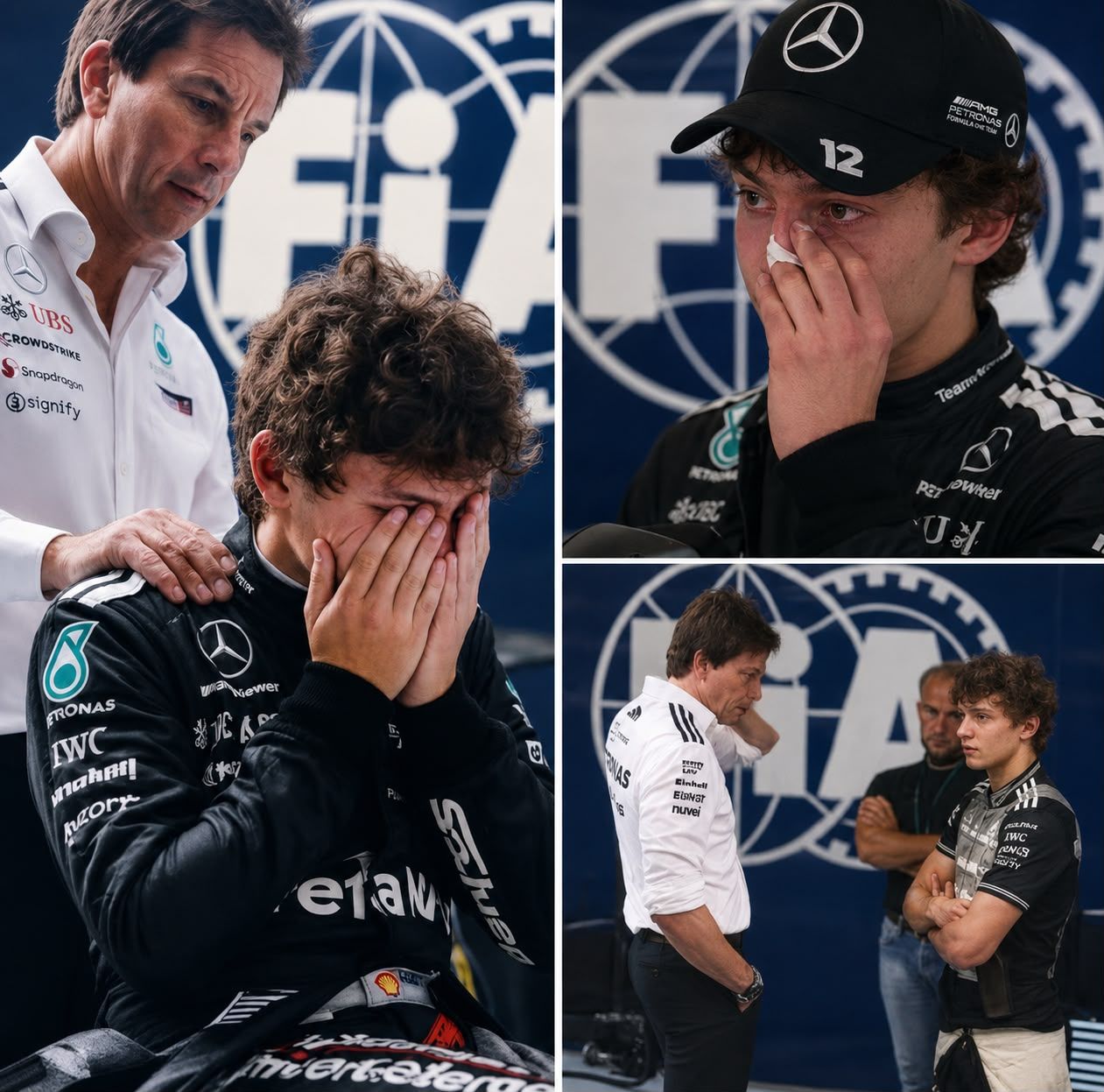
While Alpine celebrated the successful appeal and Gasly’s long-awaited return to the podium, the decision was not universally welcomed across the paddock. Several teams and drivers expressed frustration over the handling of the situation, particularly those who had already served penalties during the race. Mercedes driver George Russell, for instance, had taken a drive-through penalty for the same alleged offence, which significantly compromised his race result. Unlike time penalties applied after the race, drive-through penalties cannot be reversed, leaving affected drivers with no opportunity for redress.
This inconsistency has sparked criticism and raised serious questions about the fairness of the system. Teams such as McLaren have reportedly considered further appeals, arguing that the outcome has unfairly altered the championship standings and race results after the fact. The controversy highlights a broader issue within Formula 1 governance—namely, the challenge of ensuring consistent and equitable application of rules in complex, high-pressure environments.
Adding to the intrigue is the timing of the decision. The revised results were confirmed several days after the race had concluded, just as teams were preparing for the next Grand Prix in Barcelona. This delay not only disrupted preparations but also created uncertainty in the championship standings, as points had to be recalculated based on the updated classification.
The FIA and Formula One Management (FOM) have acknowledged the error and pledged to implement measures to prevent similar incidents in the future. The governing body admitted that the pit lane timing system had suffered from a “measurement discrepancy,” and efforts are now underway to review and improve the accuracy of such systems moving forward.
Despite these assurances, the incident has left a lasting impact on the sport. For Gasly, the reinstatement represents both vindication and relief after what he described as a deeply frustrating experience. Losing a Monaco podium due to what he believed was an unjust penalty had been a bitter blow, making his eventual restoration all the more meaningful.
For others, however, the episode serves as a reminder of the unpredictable nature of Formula 1, where results can change long after the chequered flag has fallen. The Monaco Grand Prix, already known for its drama and prestige, has now added another chapter to its storied history—one defined not just by on-track action, but by off-track controversy and administrative upheaval.
In summary, the 2026 Monaco Grand Prix will be remembered as a race where the final outcome was anything but final. The amended podium, brought about by a successful appeal and the discovery of a technical error, underscores the importance of accuracy and accountability in motorsport. While justice may have ultimately been served for some, the broader implications of the decision continue to reverberate throughout the Formula 1 community, ensuring that this particular race will remain a topic of discussion for a long time to come.