In recent days, Formula 1 has once again been plunged into controversy, as two of the sport’s biggest teams—Red Bull and McLaren—have taken formal steps to challenge a decision made by the FIA following a highly disputed race outcome involving Ferrari-related developments and broader regulatory confusion. What initially seemed like a routine post-race adjustment has now escalated into a major governance issue, raising serious questions about consistency, fairness, and the integrity of decision-making within the sport.
At the heart of the dispute is a controversial ruling that altered the outcome of a race after it had already concluded. The FIA, Formula 1’s governing body, reversed penalties that had originally been handed out during the event, effectively reshuffling the final classification days after the chequered flag had fallen. While such post-race reviews are not unheard of, the manner in which this particular case unfolded has triggered strong reactions from rival teams.
The situation traces back to a technical irregularity involving pit lane speed monitoring. During the race weekend, several drivers were penalized for exceeding the speed limit in the pit lane. These penalties had immediate consequences, affecting track positions and ultimately shaping the race result. However, it was later revealed that the system used to measure pit lane speeds had a fundamental flaw. Specifically, a discrepancy in the timing loop distance led to inaccurate readings, meaning that drivers may have been unfairly penalized.
Following this revelation, one team successfully challenged the penalties through a formal review process. The FIA acknowledged that the timing data used during the race was incorrect and agreed to rescind the penalties for the affected driver. This decision restored the driver’s finishing position, including a podium place that had initially been lost. While this might appear to be a fair correction on the surface, it created a significant ripple effect across the rest of the field.
The core of the controversy lies in the fact that not all teams were treated equally under these revised circumstances. Some drivers had already served their penalties during the race itself, which meant they had lost time and track position that could not be recovered retroactively. Others, whose penalties were applied post-race, benefited from the reversal. As a result, teams like Red Bull and McLaren found themselves disadvantaged despite having complied with the rulings during the race.
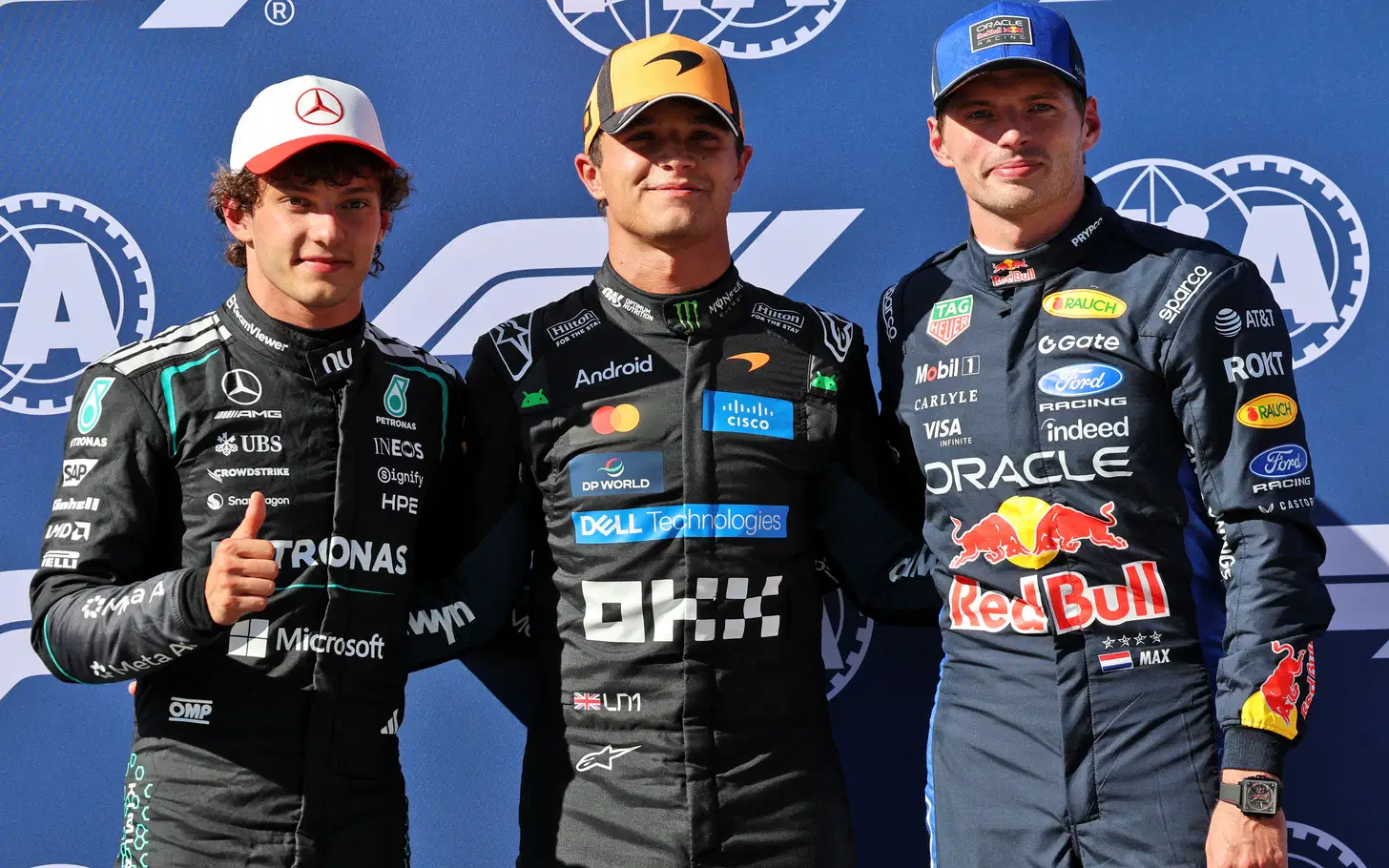
This inconsistency has sparked outrage among several teams. Red Bull, in particular, lost a podium finish as a direct result of the revised classification. McLaren also saw one of its drivers drop positions after having already paid the price of a penalty during the race. Both teams argue that the FIA’s decision undermines the principle of sporting fairness, as it effectively rewards those who had not yet served penalties while punishing those who had followed the rules in real time.
In response, Red Bull and McLaren have initiated formal action against the FIA’s ruling. They have signaled their intention to appeal the decision, seeking a review from higher authorities within the sport’s judicial framework. The goal is not only to address the immediate consequences of the ruling but also to establish clearer guidelines for handling similar situations in the future.
The implications of this dispute extend far beyond a single race result. Many within the paddock believe that the case exposes deeper flaws in Formula 1’s regulatory processes. One of the main concerns is the lack of mechanisms to compensate drivers who have already served penalties during a race if those penalties are later deemed invalid. As it stands, the rules do not allow for time to be “given back,” which creates an inherent imbalance when decisions are overturned after the fact.
Team principals and stakeholders have also voiced concerns about transparency and communication. Reports suggest that the governing bodies were aware of potential issues with the timing system earlier in the weekend but failed to act decisively before or during the race. This delay in addressing the problem has further fueled criticism, as teams feel they were not given the opportunity to make informed decisions under accurate conditions.
Adding to the tension is the broader competitive context of the 2026 season. With multiple teams—including Ferrari, Mercedes, Red Bull, and McLaren—locked in a tight battle for both the drivers’ and constructors’ championships, even minor changes in race results can have significant implications for the standings. The redistribution of points caused by the FIA’s ruling could ultimately influence the outcome of the championship, making the stakes of this dispute even higher.
McLaren has emphasized that its appeal is not directed at any rival team but rather at the need to uphold consistency in the application of the rules. The team has argued that allowing penalties to be selectively overturned sets a dangerous precedent that could encourage strategic behavior in future races, where teams might delay serving penalties in the hope of later reversals.
Red Bull shares similar concerns, viewing the situation as a threat to the credibility of the sport. For a championship that prides itself on precision and fairness, such controversies risk eroding trust among teams, drivers, and fans alike. The team is expected to push for clearer regulations and improved systems to prevent similar incidents from occurring in the future.
Meanwhile, the FIA has acknowledged the error and pledged to implement improvements to its procedures and technology. However, critics argue that acknowledging mistakes is not enough; they insist that structural changes are needed to ensure accountability and consistency moving forward.
In summary, what began as a technical issue with pit lane speed measurement has evolved into a full-blown dispute involving multiple top teams and the sport’s governing body. Red Bull and McLaren’s decision to take action against the FIA highlights the seriousness of the situation and underscores the growing frustration within the paddock. As the appeal process unfolds, the outcome could have lasting consequences not only for the current season but also for how Formula 1 handles similar controversies in the years to come.
Ultimately, this episode serves as a stark reminder that in a sport defined by fractions of a second, even the smallest errors can have massive repercussions. The challenge now for Formula 1 is to restore confidence in its systems and ensure that fairness remains at the core of its competitive framework.