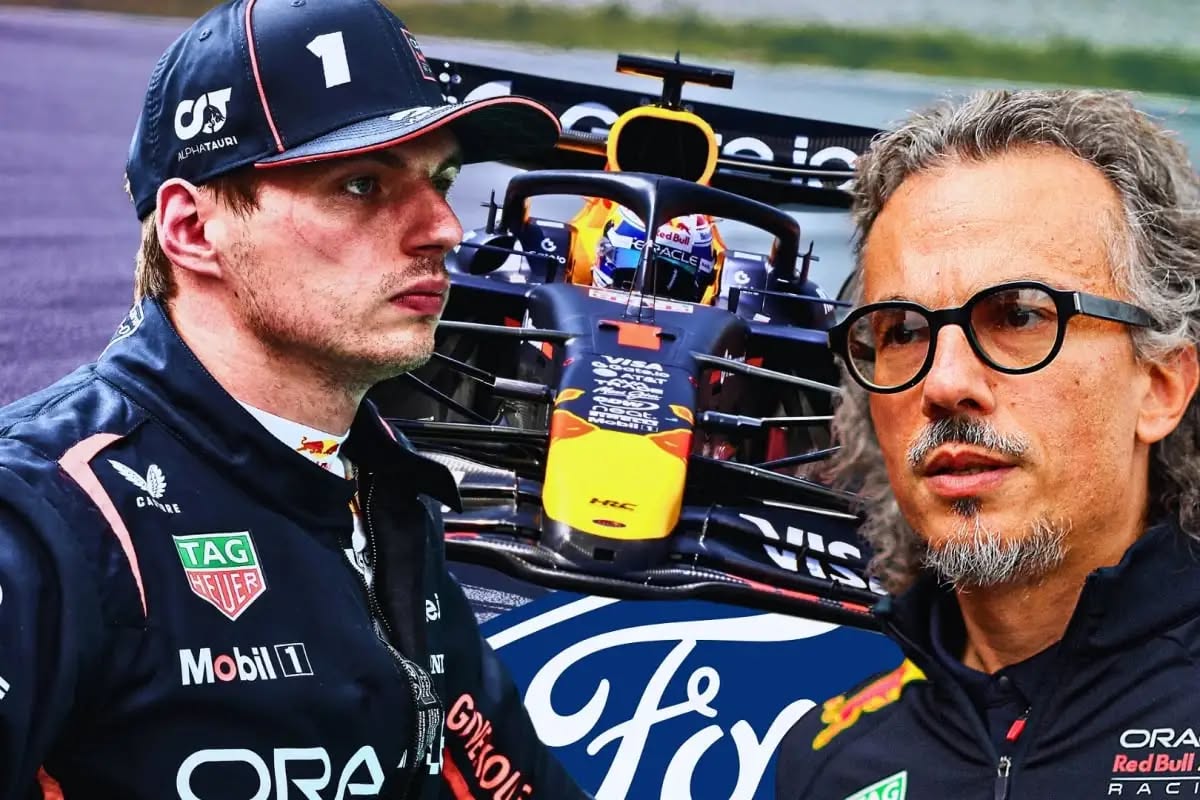

The reports surrounding a supposed “collapse” at Red Bull Racing and the resignation of its leadership team are rooted in a broader, ongoing period of major structural upheaval within the Formula 1 powerhouse. While some headlines may dramatize the situation, a closer examination reveals a complex story of transition, internal restructuring, and the end of a dominant era rather than a sudden overnight collapse.
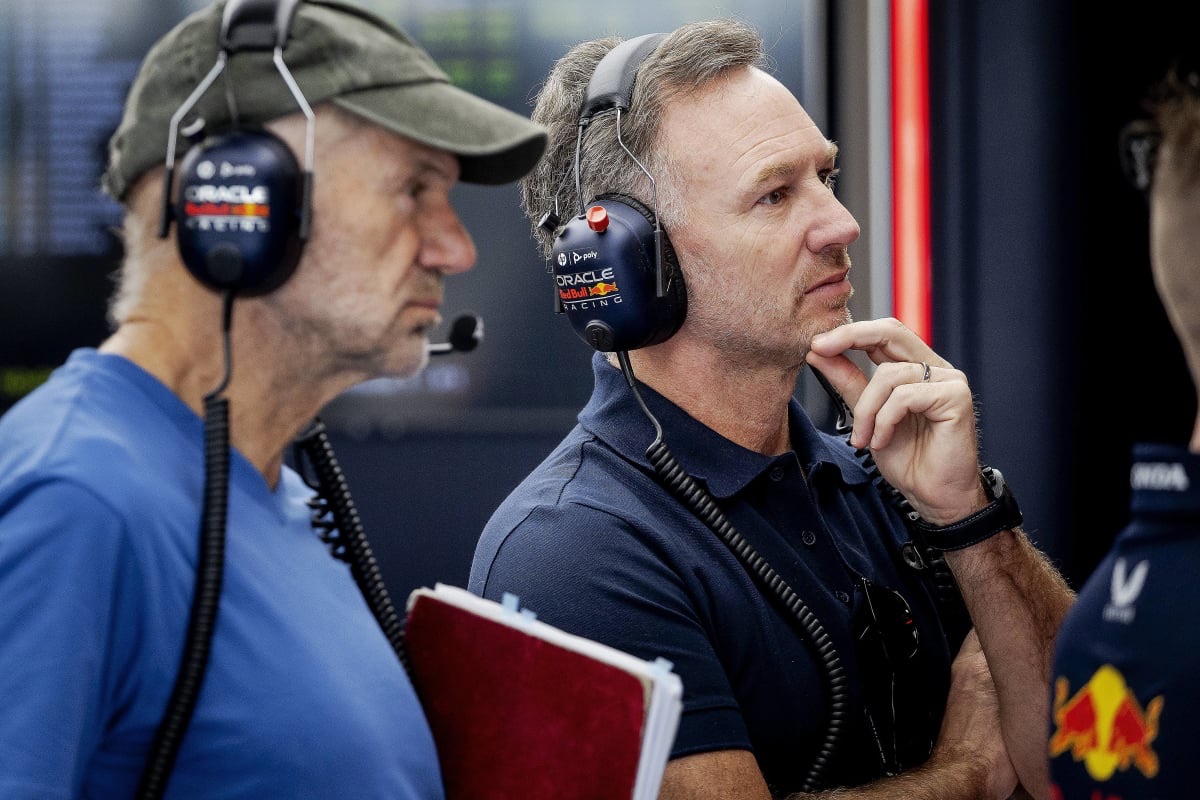
Red Bull Racing, one of the most successful teams in modern Formula 1 history, has been undergoing significant internal changes since mid-2025. The first major turning point came with the departure of long-time team principal Christian Horner, who had led the team for two decades. His exit marked the beginning of a sweeping transformation that would ripple through every level of the organization. Alongside Horner, other key figures in marketing and communications also left, signaling the dismantling of the old leadership structure that had overseen years of success.
Following Horner’s departure, Red Bull appointed Laurent Mekies as the new team boss. His arrival ushered in a new management philosophy and a willingness to make bold decisions. Under Mekies and Red Bull GmbH CEO Oliver Mintzlaff, the organization began a deliberate restructuring process aimed at reshaping the team for a new competitive era. This was not merely a routine reshuffle but a strategic overhaul designed to move away from the legacy systems and personnel of the Horner era.
As part of this transformation, several senior administrative figures were either dismissed or chose to leave. Reports confirm that at least four high-ranking staff members in departments such as human resources, marketing, and communications exited the team ahead of the 2026 season. These individuals had all been closely associated with the previous leadership, reinforcing the idea that the changes were part of a broader effort to “clear house” and establish a new internal hierarchy.
The departures were not limited to administrative roles. Red Bull also experienced losses in its technical and engineering departments, which are crucial to Formula 1 success. Chief designer Craig Skinner, who played a key role in developing some of the team’s most dominant cars, stepped down just before the 2026 season. His exit was particularly significant given his long tenure and contributions to the team’s championship-winning machinery.
In addition, long-serving personnel such as Ole Schack, a trusted mechanic closely associated with Max Verstappen, also moved on after decades with the team. These exits contributed to a growing perception of instability, as experienced figures who had been integral to Red Bull’s success began to disappear from the organization.
Perhaps even more symbolic was the departure of Helmut Marko, a senior advisor and one of the architects of Red Bull’s driver development program. Marko had been a central figure in the team’s rise to dominance, and his exit marked the end of an era. His departure followed internal tensions and came at a time when the team was already grappling with significant change.
When viewed collectively, these developments can give the impression of a “collapse,” especially when framed in sensational headlines. However, it is more accurate to interpret them as part of a deliberate and, arguably, necessary transformation. Red Bull is preparing for a new phase in Formula 1, including major regulation changes in 2026 and the introduction of its own power unit program in partnership with Ford. Such a transition naturally requires a reorganization of personnel and strategy.
Nevertheless, the scale and speed of the changes have raised concerns within the Formula 1 community. Losing multiple experienced leaders and technical experts in a short period can disrupt continuity and impact performance. Indeed, early signs from the 2026 season suggest that Red Bull has faced challenges on track, with performance issues and less competitive results compared to its dominant years.
Another critical factor is the potential impact on driver morale and stability. Max Verstappen, the team’s star driver and multiple-time world champion, has been closely linked to several of the departing figures. The loss of trusted allies within the team could influence his long-term future, especially amid rumors of interest from rival teams. While Verstappen remains under contract, the ongoing changes at Red Bull inevitably create uncertainty.
It is also worth noting that organizational restructuring on this scale is not uncommon in Formula 1, particularly when teams transition between competitive cycles. Dominant eras often end with significant personnel changes as teams attempt to reinvent themselves and stay ahead of evolving regulations and rivals. In this context, Red Bull’s situation can be seen as part of a natural lifecycle rather than a unique crisis.
However, the narrative of a “collapse” persists largely because of how sudden and visible the departures have been. When a team loses its long-time leader, senior advisors, technical experts, and multiple administrative heads within a relatively short timeframe, it creates a powerful perception of instability—even if the underlying strategy is intentional.
In conclusion, while claims of a complete leadership resignation and organizational collapse may be exaggerated, there is no denying that Red Bull Racing is undergoing one of the most significant transformations in its history. The combination of leadership changes, staff departures, and strategic realignment marks the end of a highly successful era and the beginning of an uncertain new chapter. Whether this transition ultimately strengthens the team or leads to a period of decline will depend on how effectively the new leadership can rebuild and adapt in the highly competitive world of Formula 1.