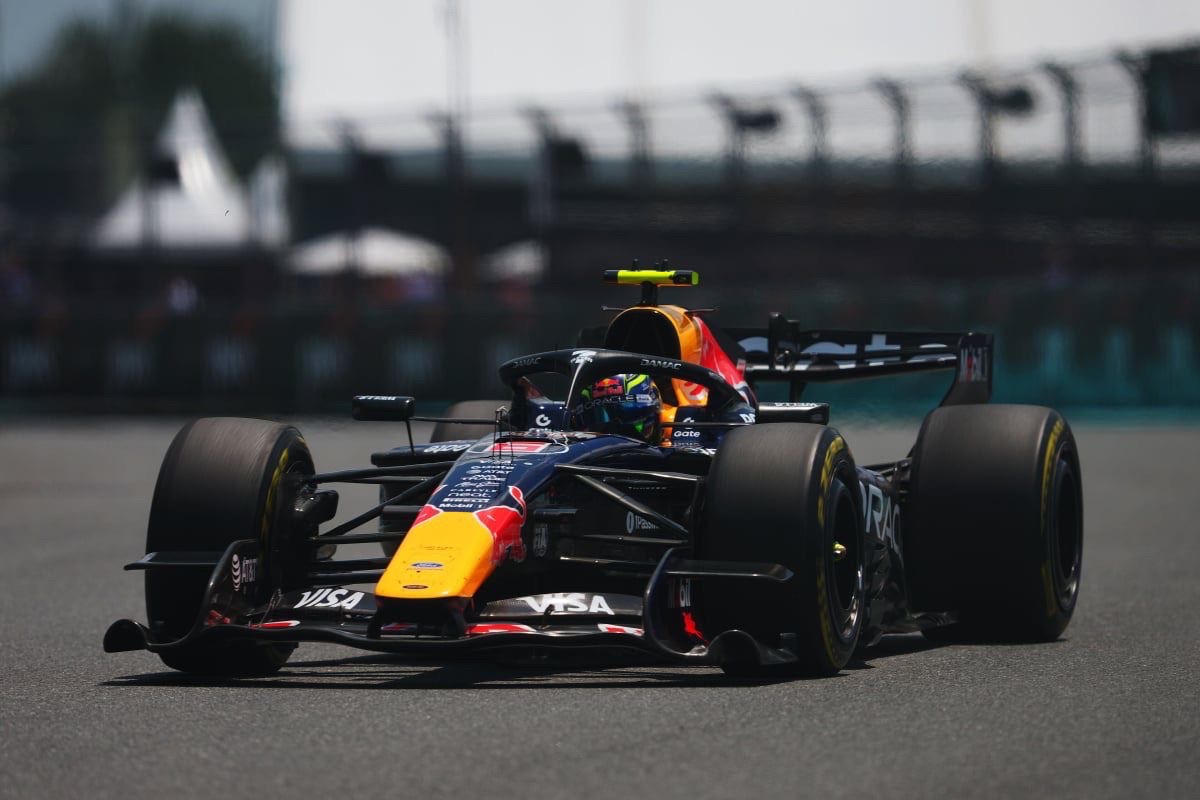
Fresh turmoil has reportedly struck Red Bull Racing after claims emerged that one of the team’s most important technical figures did not leave voluntarily as originally suggested. The latest controversy centers around former chief designer Craig Skinner, whose sudden departure has sparked major discussion throughout the Formula One paddock.
Initial statements from the Milton Keynes-based outfit earlier in the season described Skinner’s exit as a resignation after nearly two decades with the team. However, fresh reports from Dutch media now suggest the situation behind the scenes may have been far more dramatic. According to those claims, the respected engineer was effectively pushed out of the organization rather than choosing to walk away on his own terms.
The revelation has added another layer of instability to a period of significant change inside the Red Bull camp. Over the past few years, the reigning Formula One giants have experienced a wave of departures involving several influential figures who played crucial roles in the team’s rise to dominance. The exits of key personnel have raised concerns about whether the squad can maintain the same technical edge that helped deliver multiple world championships.
Skinner had become one of the most respected engineers in Formula One after steadily climbing through the ranks at Red Bull. Having joined the team back in 2006, he initially worked in computational fluid dynamics before progressing into increasingly senior aerodynamic roles. His reputation within the sport grew significantly after he became chief designer in 2022, taking on greater responsibility for the development of Red Bull’s championship-winning machinery.
Many within Formula One regarded Skinner as a central figure in the creation of the legendary RB19 car, widely considered one of the most dominant machines in the sport’s history. That car helped deliver an extraordinary 2023 season in which Red Bull won 21 of 22 races, with Max Verstappen overwhelming the competition on the way to another world championship.
Because of his technical importance, the sudden nature of his departure immediately fueled speculation earlier this year. At the time, official communication from the team painted the move as an amicable separation after 20 years of service. Red Bull publicly thanked Skinner for his contributions and wished him well for the future.
Now, however, fresh reporting has challenged that narrative. During discussions on a Dutch Formula One podcast, journalist Erik van Haren claimed that Skinner had effectively been removed from the organization by Red Bull management rather than leaving voluntarily. The report suggested that the public statement released by the team may have been designed to avoid drawing attention to internal restructuring and leadership decisions taking place behind closed doors.

The controversy comes during a turbulent transition period for Red Bull. Following the departure of legendary designer Adrian Newey to Aston Martin F1 Team, the team has been attempting to rebuild and reorganize its technical department ahead of the new Formula One regulations. Several experienced figures have also left or changed roles as Red Bull prepares for a new competitive era.
The situation has intensified scrutiny on team boss Laurent Mekies, who took over leadership responsibilities after the exit of long-time principal Christian Horner. Reports suggest Mekies and his management group have been overseeing a broader restructuring effort within the organization, which may have influenced Skinner’s departure.
Observers inside the paddock believe the timing of the exit is particularly significant because Formula One is approaching a major regulation overhaul. Teams are currently developing completely new cars and power unit concepts for the next era of the championship, meaning technical stability is more important than ever. Losing a senior designer during such a crucial development phase could potentially hurt Red Bull’s long-term competitiveness.
Adding to the intrigue is the fact that other veteran Red Bull figures are also departing. Long-serving technician Ole Schack is expected to leave after spending over 25 years with the organization. While his exit appears to be voluntary, the combination of multiple departures has created the impression of a team undergoing major internal transformation.
Despite the growing speculation, some insiders have argued that the narrative surrounding a mass exodus may be exaggerated. According to reports, certain figures within the team believe Red Bull remains an attractive destination for elite engineers and technical staff. They insist that organizational changes are normal in modern Formula One, particularly after long periods of success.
Still, the optics of losing so many experienced figures in a short space of time have inevitably triggered debate about Red Bull’s future. The team once appeared almost untouchable during its dominant run with Verstappen, but recent instability has led rivals to sense a potential opportunity to close the gap.
There are already signs of restructuring within the technical hierarchy. Reports indicate that Ben Waterhouse has taken on a more influential role after Skinner’s departure, with responsibilities bridging design and vehicle performance departments.
Meanwhile, discussions continue regarding the future of Christian Horner, whose name remains heavily linked with a potential Formula One comeback. FIA president Mohammed Ben Sulayem recently stated publicly that he would welcome Horner back into the sport, describing him as someone who had been good for both Formula One and Red Bull.
For Red Bull, however, the immediate priority remains stabilizing its technical structure ahead of one of the most important periods in modern Formula One history. The departure of Craig Skinner — whether voluntary or forced — represents yet another major shift within a team that has already experienced significant upheaval in recent seasons.
As the sport moves toward a new regulatory cycle, rivals will be watching closely to see whether Red Bull can maintain its competitive strength despite the growing list of departures. The coming months may determine whether this latest controversy is merely a temporary disruption or the beginning of a more serious decline for one of Formula One’s modern powerhouses.