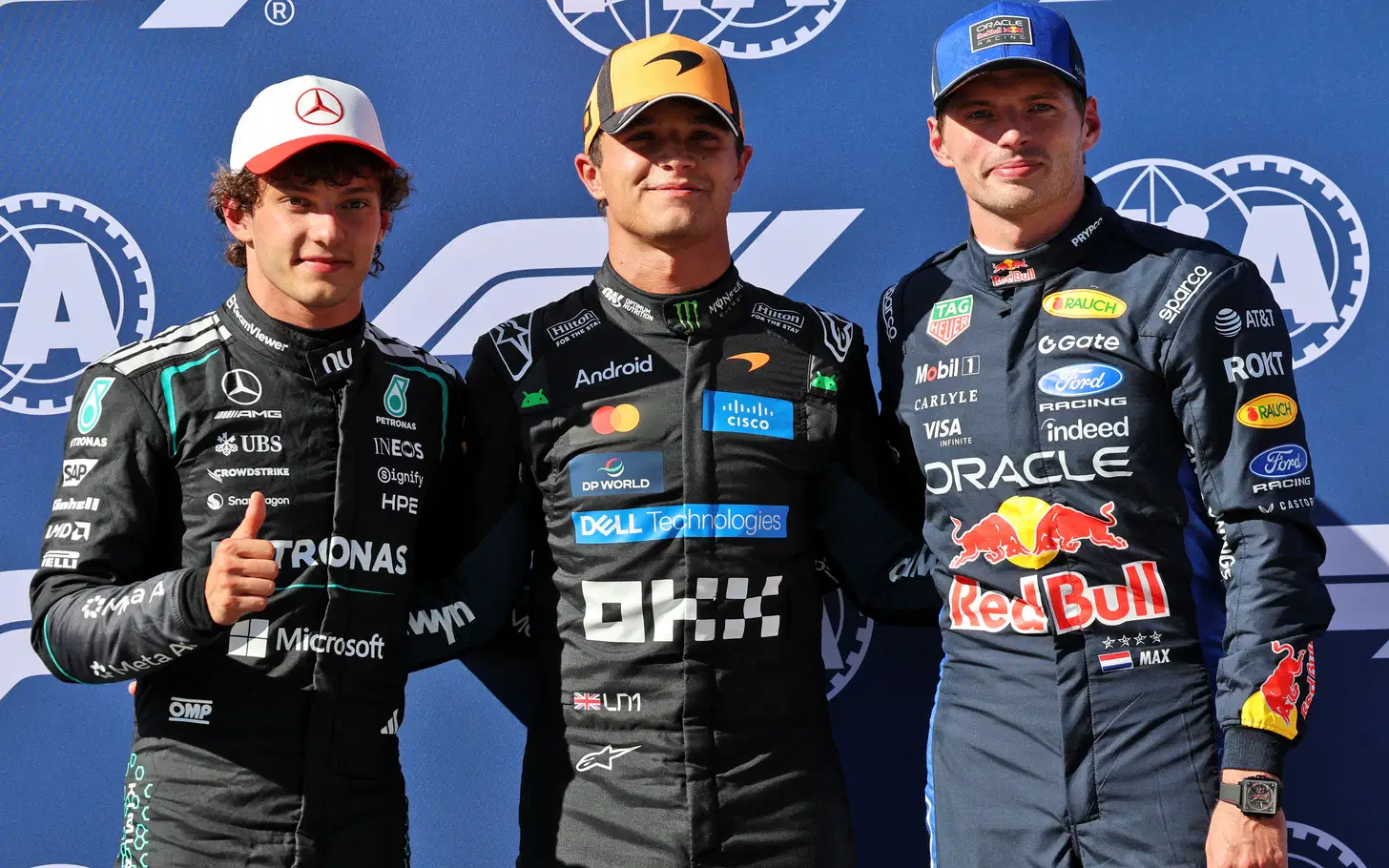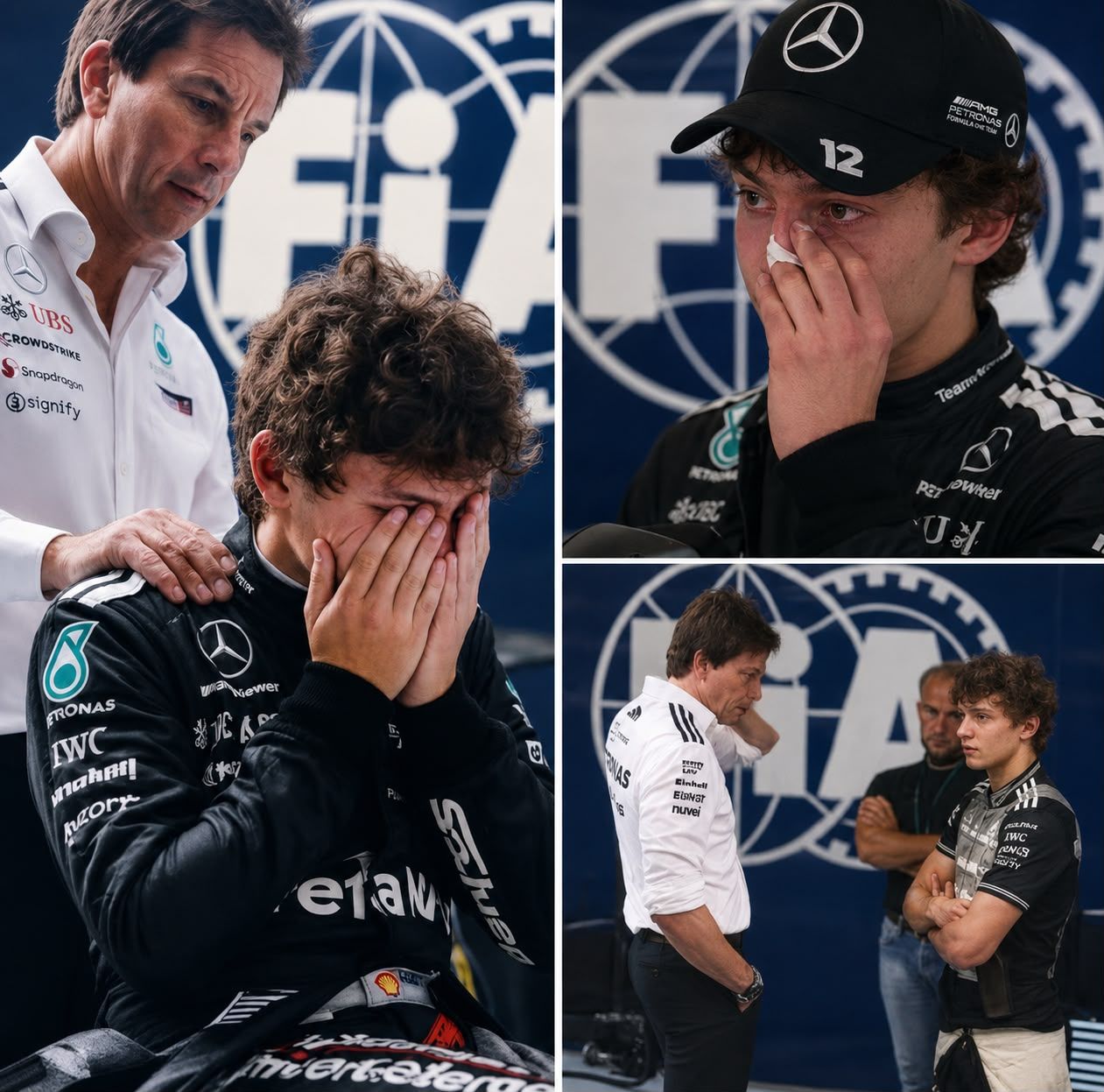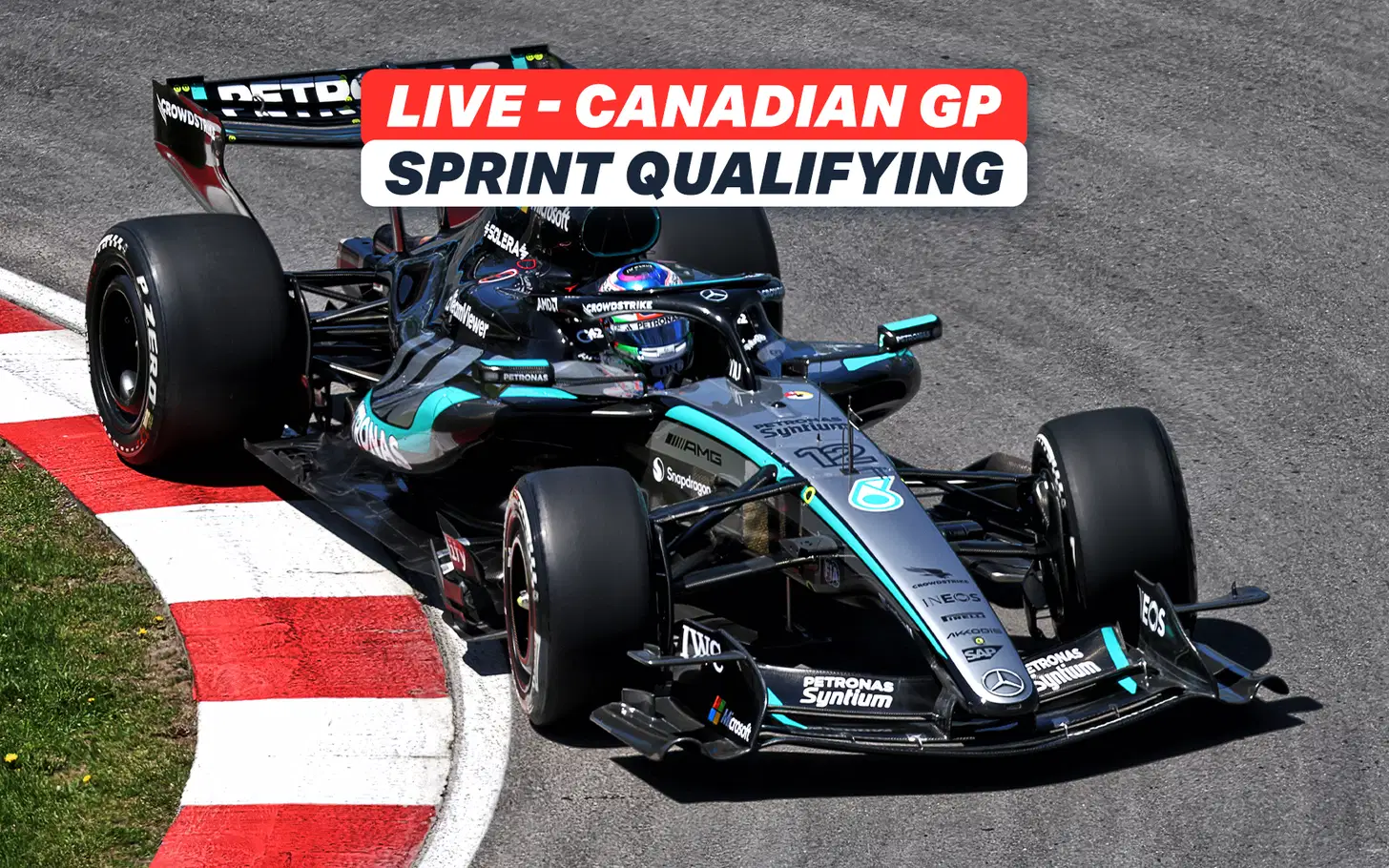

The 2026 Canadian Grand Prix sprint qualifying session delivered another dramatic chapter in what is already becoming one of the most competitive Formula One seasons in recent years. Following a chaotic and interrupted practice session earlier in the day, teams returned to the Circuit Gilles Villeneuve knowing that every lap would carry enormous importance. With the sprint format allowing limited preparation time, drivers were immediately pushed to the limit as they fought for grid positions ahead of Saturday’s sprint race.
Much of the attention heading into sprint qualifying centred around Mercedes after the Silver Arrows dominated the only practice session of the weekend. Young championship leader Kimi Antonelli had topped the session ahead of teammate George Russell, giving Mercedes strong momentum entering the evening session. Antonelli’s remarkable form throughout the season has transformed him into one of Formula One’s biggest stars, with the 19-year-old already leading the championship standings after securing multiple victories earlier in the campaign.
Mercedes also arrived in Montreal with a heavily revised aerodynamic upgrade package, which appeared to deliver immediate improvements in both balance and straight-line performance. The team’s strong pace during practice suggested that it could once again become the benchmark for the rest of the field during sprint qualifying. George Russell, despite suffering a spin late in practice, also looked highly competitive around the demanding Canadian circuit.
Behind Mercedes, Scuderia Ferrari entered sprint qualifying with renewed optimism after both Lewis Hamilton and Charles Leclerc showed promising speed during practice. Hamilton in particular looked comfortable throughout the session, raising hopes that Ferrari could challenge for a strong starting position. The seven-time world champion has historically enjoyed tremendous success in Montreal, having won multiple Canadian Grands Prix during his career.
Meanwhile, reigning world champion Max Verstappen and Oracle Red Bull Racing continued searching for answers after another difficult start to the weekend. Although Verstappen remained competitive during practice, Red Bull once again appeared slightly behind Mercedes on outright pace. The Dutchman has openly admitted in recent weeks that the current Red Bull package remains difficult to drive consistently, especially under the latest Formula One regulations.
Sprint qualifying itself carried added pressure because of the unique format used during sprint weekends. Drivers had only short sessions to produce competitive lap times, while tyre management and track evolution became critical factors throughout the evening. The Circuit Gilles Villeneuve is famously unforgiving, with narrow walls, aggressive kerbs, and heavy braking zones constantly punishing even the smallest mistakes. This combination created an atmosphere filled with tension as teams attempted to maximise every opportunity available.
The opening stages of sprint qualifying immediately produced intense competition as drivers rushed onto the circuit to avoid traffic and rapidly improving track conditions. Several drivers struggled to find clean laps due to congestion around the final sector, while others battled instability over the circuit’s low-grip surface. The resurfaced Montreal track continued evolving throughout the session, meaning lap times improved dramatically with each passing minute.
Mercedes quickly re-established its strong form from practice, with Antonelli once again demonstrating exceptional confidence around the Circuit Gilles Villeneuve. The Italian teenager consistently extracted pace through the fast chicanes and heavy braking zones, reinforcing why many already consider him one of Formula One’s future superstars. Russell also remained firmly in contention, ensuring Mercedes maintained pressure at the front throughout the session.
Ferrari responded strongly as Hamilton and Leclerc continued improving throughout the knockout sessions. Hamilton’s experience around the Montreal circuit became increasingly valuable as track conditions changed, while Leclerc’s aggressive one-lap pace helped Ferrari remain close to the leading Mercedes cars. The Italian team appeared significantly more competitive than in some previous weekends, suggesting recent upgrades may finally be producing positive results.
McLaren also entered sprint qualifying carrying growing confidence after strong performances earlier in the season. Reigning world champion Lando Norris and teammate Oscar Piastri both remained serious contenders for the top positions despite Mercedes’ apparent advantage. McLaren’s recent upgrade programme has significantly improved the team’s overall competitiveness, allowing it to challenge more consistently near the front of the grid.
One of the major talking points throughout sprint qualifying remained the unpredictability of the 2026 Formula One season itself. Several races earlier in the year had already shown how quickly competitive order can shift between teams. Mercedes may have entered Canada as favourites after recent performances, but Ferrari, McLaren, and Red Bull all remained capable of producing surprises under pressure.
The Canadian Grand Prix weekend itself holds historic importance because this is the first sprint-format event ever hosted in Montreal. The Circuit Gilles Villeneuve has long been known for producing unpredictable races, dramatic safety cars, and memorable incidents involving Formula One’s biggest stars. Its combination of long straights, tight chicanes, and the famous “Wall of Champions” creates one of the sport’s most demanding challenges for drivers and engineers alike.
Another major factor influencing sprint qualifying was tyre behaviour. Pirelli selected the softest tyre compounds available for the Canadian Grand Prix weekend, meaning tyre temperatures and degradation became increasingly important as drivers pushed harder during the evening sessions. Teams were forced to carefully balance outright speed against tyre preparation in order to maximise performance during critical laps.
As sprint qualifying progressed into its decisive stages, the battle for pole position intensified dramatically. Antonelli’s remarkable season form continued making him the favourite among many observers, while Russell, Hamilton, Verstappen, Norris, and Leclerc all remained firmly involved in the fight for the front positions. The incredibly small margins separating the top teams once again demonstrated how competitive modern Formula One has become under the current regulations.
The session also reinforced the growing emergence of Formula One’s new generation of talent. Antonelli’s rise has already reshaped the championship battle, while younger drivers such as Arvid Lindblad continue impressing throughout the grid. Formula One now appears to be entering a fascinating transition period where experienced champions and rising stars are competing directly against one another for major honours.
Ultimately, the Canadian Grand Prix sprint qualifying session highlighted everything currently making Formula One one of the world’s most exciting sports. Unpredictable competition, rising young stars, legendary champions, evolving regulations, and narrow performance margins combined to create another thrilling evening under the lights in Montreal. With the sprint race and main Grand Prix still to come, the battle at the Circuit Gilles Villeneuve appears far from over.