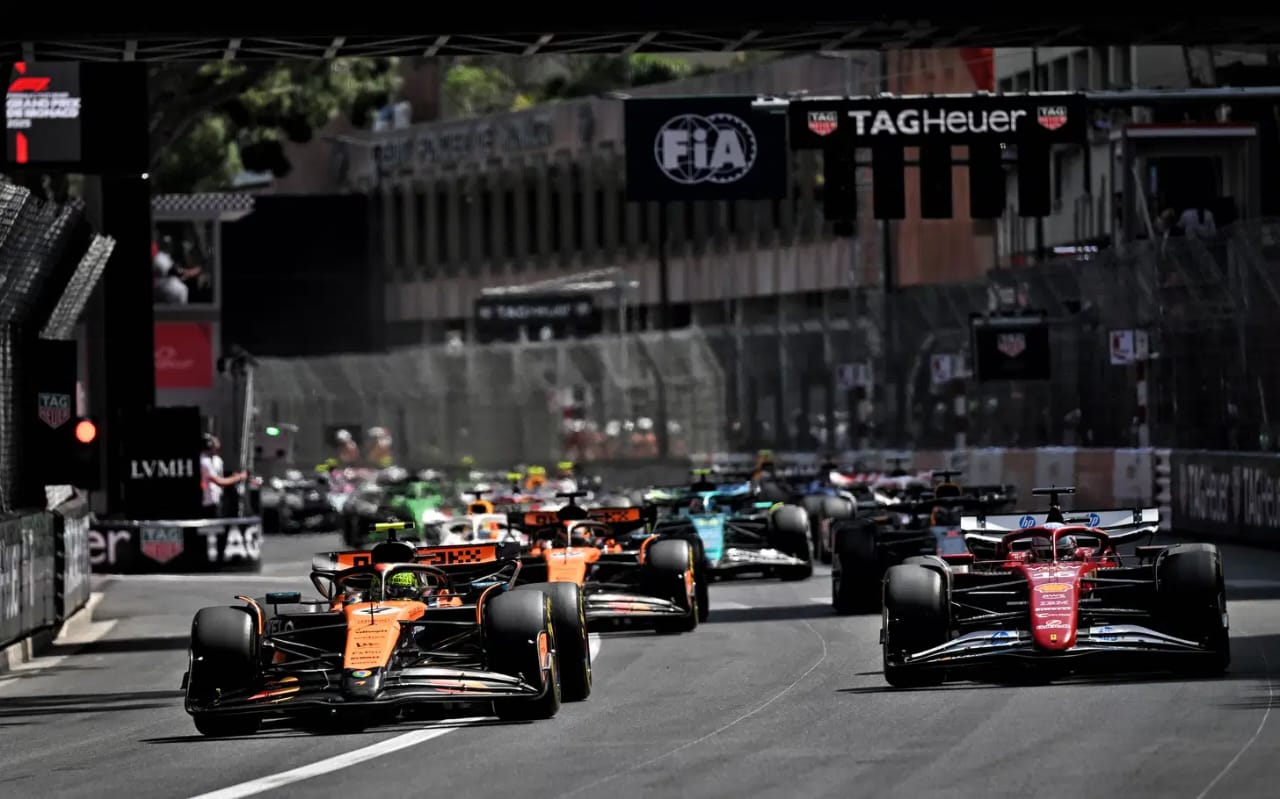

As excitement steadily builds for the 2026 Formula 1 Monaco Grand Prix, one of the most prestigious and historically rich events on the global motorsport calendar, increasing attention is being directed toward a critical and often unpredictable factor that has shaped many races in the past: the weather. While Monaco is renowned for its glamour, tight street layout, and elite racing spectacle, its weather conditions have frequently added an extra layer of unpredictability, transforming routine races into dramatic and strategic battles. For the 2026 edition, early forecasts suggest that teams, drivers, and fans alike may once again have to contend with a dynamic mix of sunshine, humidity, and the looming possibility of rain.
This year’s Monaco Grand Prix, scheduled to take place from June 5 to June 7, represents a slight but significant shift in the Formula 1 calendar. Traditionally held in late May, the move to early June introduces a subtle change in seasonal conditions, which could influence track temperatures and atmospheric behavior. Meteorological projections indicate that daytime temperatures throughout the race weekend are likely to range between 21°C and 27°C, with occasional peaks that may push slightly higher under direct sunlight. These warmer conditions are expected to have a direct impact on tire performance, car setup, and overall race strategy, especially given the unique demands of the Monaco street circuit.
Friday’s practice sessions are expected to unfold under relatively stable and mild weather conditions. Forecasts suggest a blend of sunshine and scattered cloud cover, with temperatures sitting comfortably between 19°C and 25°C. While the probability of rainfall appears low during this opening phase of the weekend, humidity levels may still play a subtle but important role. Elevated humidity can reduce track grip and influence how tires behave, particularly during long runs. Teams will be using these sessions to gather critical data, fine-tune aerodynamic configurations, and assess tire degradation patterns. Given the narrow, twisty nature of Monaco’s circuit, even small changes in grip levels can significantly affect lap times and driver confidence.
Moving into Saturday, when the all-important qualifying session takes place, the weather outlook becomes slightly more uncertain. Although conditions are still expected to be predominantly warm, there is an increasing chance of cloud buildup, accompanied by a slight rise in the probability of light rain showers. In Monaco, even a brief drizzle can dramatically alter track conditions. The circuit’s smooth surface tends to become extremely slippery when wet, and the lack of runoff areas means that mistakes are often punished severely. As a result, teams will need to remain highly flexible in their approach, carefully monitoring radar updates and adjusting strategies accordingly.
Qualifying in Monaco is widely regarded as one of the most crucial sessions of the entire Formula 1 season. Due to the circuit’s narrow layout and limited overtaking opportunities, starting position often plays a decisive role in determining the race outcome. If rain were to arrive during qualifying, it could create a highly unpredictable scenario, potentially reshuffling the grid and offering an opportunity for underdog teams or less-favored drivers to shine. Tire selection, timing of runs, and driver skill in changing conditions would all become decisive factors.
However, it is Sunday’s race day that carries the greatest level of intrigue when it comes to the weather. Forecast models indicate a continued presence of warm temperatures, likely hovering between 21°C and 27°C, but there is also a growing likelihood of intermittent rain showers developing during the race itself. This possibility has captured the attention of teams and analysts, as wet conditions in Monaco are notoriously challenging and often lead to chaotic, unpredictable races.
The Monaco circuit, with its tight corners, elevation changes, and unforgiving barriers, becomes particularly treacherous when wet. Water tends to accumulate in certain sections of the track, creating uneven grip levels that can catch drivers off guard. Additionally, the reflective nature of the road surface can make it difficult for drivers to judge braking points and cornering speeds accurately. In such conditions, driver skill and composure are pushed to the absolute limit, often separating the truly exceptional performers from the rest of the field.
Despite these concerns, some forecasts still suggest the possibility of a predominantly dry race weekend, with only minimal risk of rain during key sessions. However, Monaco’s unique microclimate makes it notoriously difficult to predict weather patterns with complete accuracy. The circuit’s proximity to the Mediterranean Sea, combined with the surrounding mountainous terrain, can lead to rapid and localized weather changes. It is not uncommon for rain to affect one section of the track while another remains completely dry, adding an additional layer of complexity to race strategy.
Historically, weather has played a defining role in many memorable Monaco Grands Prix. Sudden rain showers have often turned straightforward races into strategic puzzles, forcing teams to make split-second decisions about tire changes and pit stop timing. In some cases, these decisions have completely altered the race order, allowing unexpected contenders to rise to the top while others struggle to adapt. The potential for similar scenarios in 2026 adds to the anticipation surrounding the event.
Teams are therefore preparing extensively for all possible weather conditions. Engineers are closely analyzing meteorological data, running simulations, and developing multiple strategy plans to account for both dry and wet scenarios. Pit crews are also being trained to react quickly in case of sudden weather changes, as the timing of a tire switch can make or break a race. Drivers, on the other hand, are mentally preparing for a demanding and potentially unpredictable contest, knowing that adaptability and quick decision-making could be crucial to success.
The possibility of rain also raises the likelihood of safety car deployments during the race. Wet conditions tend to increase the risk of accidents, particularly on a circuit as unforgiving as Monaco. A single incident can trigger a chain reaction, leading to multiple retirements or significant disruptions. Safety car periods can dramatically influence race strategy, compressing the field and creating opportunities for teams to gain or lose positions depending on their timing and decision-making.
Ultimately, the 2026 Monaco Grand Prix promises to deliver not only the glamour and prestige that fans have come to expect but also a compelling layer of unpredictability driven by the weather. Whether the race unfolds under clear blue skies or is shaped by sudden rain showers, it is certain to test every aspect of a team’s performance, from engineering precision to driver skill and strategic planning.
As the race weekend approaches, all eyes will remain firmly fixed on the skies above Monte Carlo. In Formula 1, where margins are incredibly fine and every detail can influence the outcome, the weather often serves as the ultimate wildcard. For the drivers and teams competing in Monaco, mastering these conditions could be the key to achieving victory at one of the most iconic and challenging circuits in the world.