
The final classification of the 2026 Formula 1 Spanish Grand Prix has undergone significant changes after the FIA confirmed a series of post-race penalties that reshaped the official results. What initially appeared to be a straightforward conclusion to an intense race weekend in Barcelona has now evolved into a more complex narrative, once again demonstrating how Formula 1 outcomes can remain provisional long after the chequered flag is waved.
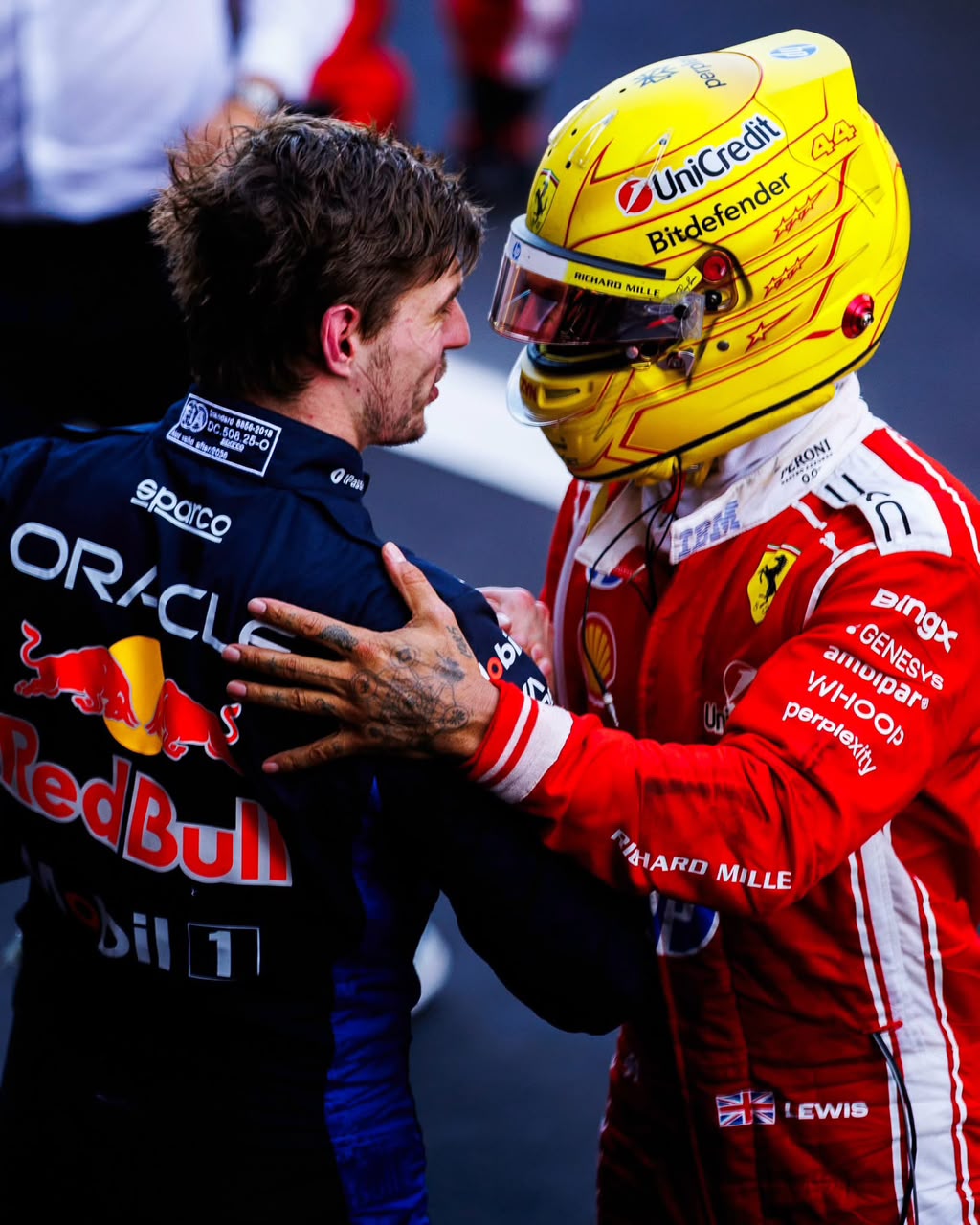
At the end of the race, Lewis Hamilton had taken a remarkable victory for Ferrari, marking a major milestone in his career with the Italian team. The seven-time world champion executed a bold and effective strategy, allowing him to outpace his rivals and secure the win in convincing fashion. His triumph was widely celebrated, not only because of the result itself but also because it represented a turning point in Ferrari’s season.
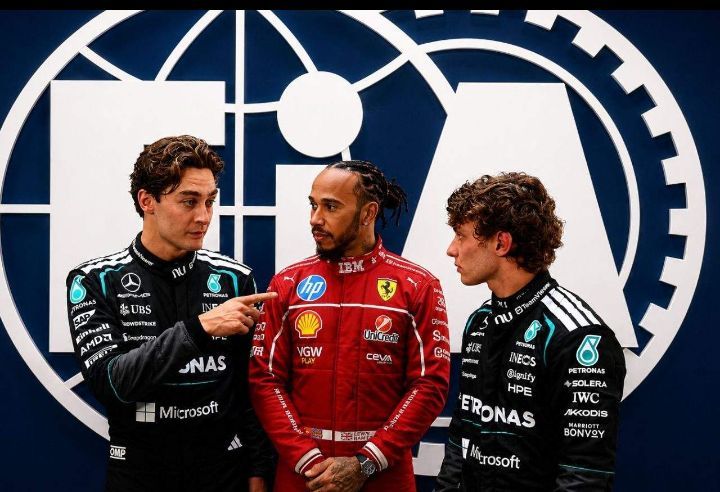
Behind Hamilton, George Russell initially finished in second place, delivering a strong performance for Mercedes. The British driver had shown impressive pace throughout the weekend, including securing pole position, and looked set to claim a valuable podium finish. Lando Norris completed the top three after a consistent and competitive drive for McLaren.
However, the situation began to shift when the FIA initiated post-race checks and investigations into several aspects of the race. These reviews are standard procedure in Formula 1, particularly when there are incidents, potential rule breaches, or technical concerns that require further examination. In this case, the outcome of those investigations led to penalties being applied after the race had officially concluded.
Post-race penalties can arise from a wide range of issues, including track limits violations, unsafe releases in the pit lane, technical infringements, or incidents involving other drivers. While the exact details of each penalty may vary, the consequences are often significant, as they can alter finishing positions and impact championship standings.
As the penalties were applied, the official classification of the race was adjusted accordingly. Drivers who had originally finished in certain positions were demoted, while others benefitted from the changes and moved up the order. These revisions highlight the importance of compliance with regulations, as even minor infractions can have major repercussions.
One of the most notable aspects of this development is the broader impact on the championship battle. The 2026 season has already been highly competitive, with multiple drivers and teams fighting for position at the top of the standings. Any change in race results—especially involving podium finishers—can influence the distribution of points and potentially shift the balance in the title race.
For Mercedes, the adjustments could prove particularly consequential. The team had shown strong form in Barcelona, with Russell’s performance initially providing a boost to their campaign. However, any alteration to his finishing position would affect both his personal standings and the team’s position in the constructors’ championship.
Meanwhile, Ferrari’s victory with Hamilton remains a central storyline, but even that achievement exists within the broader context of the revised results. While his win appears to have been unaffected by the penalties, the reshuffling behind him changes the narrative of the race and the competitive landscape moving forward.
Another key element of this situation is the timing of the FIA’s decisions. In Formula 1, it is not uncommon for results to be updated hours—or even days—after a race, as officials complete their investigations. While this ensures that all rules are properly enforced, it can also create uncertainty for teams, drivers, and fans who are eager for final confirmation of the standings.
This is not an isolated incident, as recent races have also seen post-race decisions influence outcomes. The 2026 season, in particular, has been marked by several high-profile rulings, including revised results and reinstated podium finishes in other events. These developments have sparked ongoing discussions about consistency, transparency, and the role of the FIA in managing the sport.
From a competitive standpoint, the revised results underline the importance of precision and discipline in Formula 1. Teams operate within extremely tight margins, and even small errors—whether in strategy, execution, or compliance—can lead to penalties that undo an otherwise successful race.
For the drivers, the emotional impact of such changes can be significant. Celebrating a podium finish or points-scoring position only to have it altered later can be frustrating and disappointing. Conversely, those who gain positions due to penalties may feel a sense of validation, even if the promotion comes after the race has ended.
Fans, too, are left navigating a shifting narrative. The excitement of race day is sometimes followed by a period of uncertainty as final decisions are made. While this can add an extra layer of intrigue, it also highlights the need for clear and timely communication from the governing body.
The adjusted results also serve as a reminder of the complexity of modern Formula 1. With advanced technology, intricate regulations, and intense competition, the sport requires constant oversight to ensure fairness. The FIA’s role in enforcing these standards is crucial, even if it occasionally leads to controversial or delayed decisions.
Looking ahead, the consequences of the revised Spanish Grand Prix results will likely extend beyond a single race. Teams will analyze the decisions carefully, both to understand what led to the penalties and to avoid similar issues in the future. The lessons learned in Barcelona could influence strategies and approaches in the races to come.
For drivers like Russell and Norris, the adjustments may impact their momentum as the season progresses. Every point matters in a championship fight, and any change in results can have a cumulative effect over the course of the year. Meanwhile, Hamilton’s victory provides Ferrari with renewed confidence as they continue their campaign.
In conclusion, the adjusted results of the 2026 Spanish Grand Prix illustrate the ever-evolving nature of Formula 1. What begins as a clear outcome on race day can transform into a more complex story through post-race scrutiny and penalties. The situation underscores the importance of regulatory compliance, the influence of governing decisions, and the unpredictable dynamics that make the sport so compelling. As the season continues, the events in Barcelona will remain a key talking point, shaping both the championship battle and the ongoing conversation about fairness and consistency in Formula 1.