Aston Martin has officially addressed recent developments surrounding Fernando Alonso, confirming a temporary driver change that has sparked widespread discussion across the Formula 1 community. However, contrary to some of the more dramatic interpretations circulating online, the situation is not as severe or permanent as it may initially appear.
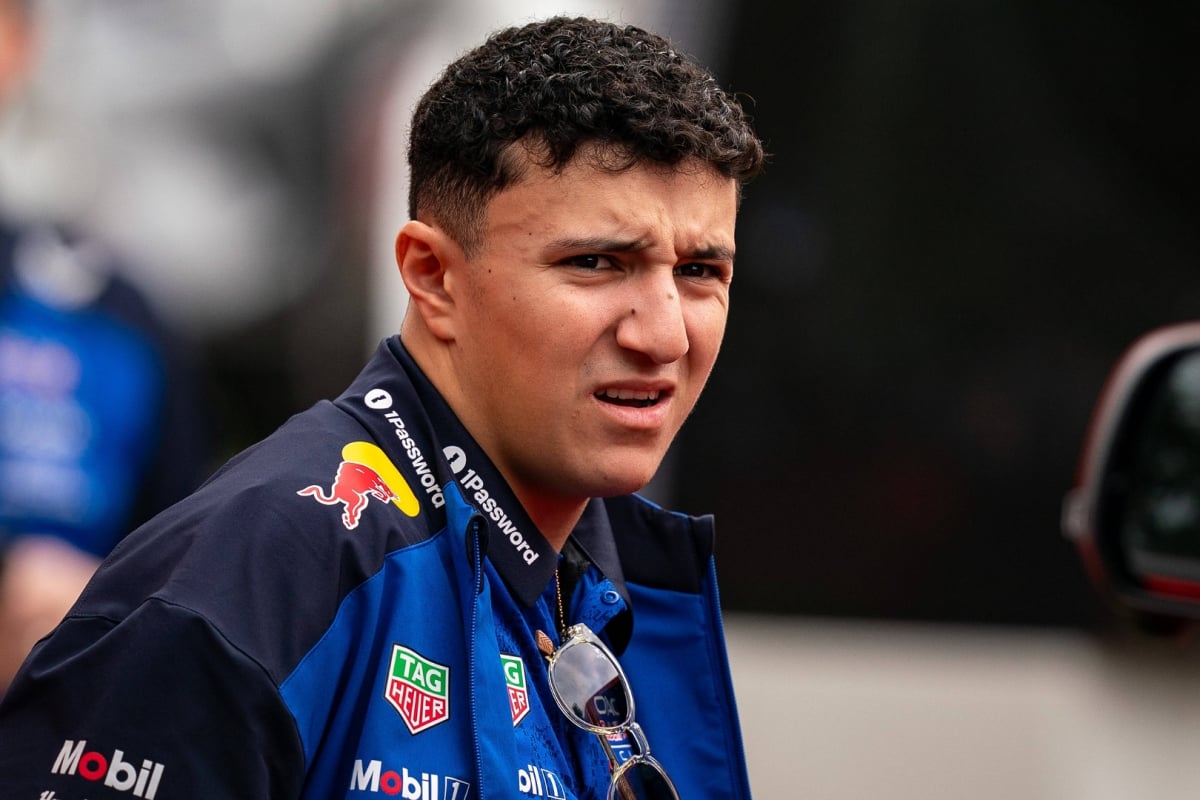
The team revealed that American driver Jak Crawford will step in to replace Alonso—but only for a limited and clearly defined role. This substitution is not for a race, nor does it signal a long-term absence for the two-time world champion. Instead, it is part of a routine Formula 1 procedure tied to development requirements and regulatory obligations.
Crawford, who serves as Aston Martin’s reserve and development driver, has been given the opportunity to drive Alonso’s car during a Free Practice 1 session at the Japanese Grand Prix. This move aligns with FIA regulations that require teams to provide young or rookie drivers with track time during official race weekends.
The 20-year-old American is no stranger to Formula 1 machinery. Having already gained experience through simulator work and previous practice outings, Crawford represents one of the promising young talents being groomed for the future. His participation allows Aston Martin to gather additional data while fulfilling regulatory obligations, all without impacting Alonso’s participation in the competitive sessions that matter most—qualifying and the race itself.
Despite this straightforward explanation, the announcement has triggered speculation, largely due to ongoing concerns about Alonso’s physical condition and the broader struggles faced by Aston Martin this season. Reports earlier in the year highlighted the demanding nature of the team’s 2026 car, particularly issues related to excessive vibrations and mechanical instability. These problems have not only affected performance but have also raised concerns about driver comfort and endurance.
Alonso himself has spoken candidly about the physical toll of driving the current car, describing moments of extreme discomfort during races. While these comments have fueled narratives about potential health-related absences, there has been no official confirmation that the Spaniard is stepping away from racing duties due to medical reasons.
In fact, all available evidence indicates that Alonso remains fully committed to his role as Aston Martin’s lead driver. He continues to compete in races and has shown no indication of withdrawing from Grand Prix events. The temporary substitution for a practice session should therefore be viewed within the normal operational framework of a Formula 1 team rather than as a response to a medical emergency.
The confusion surrounding this situation is further compounded by the broader context of Alonso’s career. At 44 years old and with a contract running until the end of the 2026 season, questions about his long-term future in Formula 1 are inevitable. Alonso himself has acknowledged that he is approaching the latter stages of his career, even suggesting that certain races could be among his final appearances at specific circuits.
This backdrop has made any mention of a “replacement” particularly sensitive, as it can easily be interpreted as a sign of an impending departure. However, it is important to distinguish between short-term operational decisions and long-term strategic planning. While Aston Martin may indeed be evaluating future driver options—as all teams do—there is no indication that Crawford’s involvement is connected to a permanent succession plan.
Instead, the decision reflects a standard approach used across the grid. Teams regularly rotate reserve or junior drivers into practice sessions to accelerate their development and prepare them for potential future roles. These opportunities are especially valuable for young drivers aiming to secure a full-time seat in Formula 1.
For Aston Martin, the timing of this move also comes during a challenging period. The team has struggled with performance and reliability issues throughout the 2026 season, with both Alonso and his teammate Lance Stroll facing difficulties extracting consistent results from the car. These challenges have placed additional pressure on the team to gather as much data as possible and explore every avenue for improvement.
By allowing Crawford to participate in a practice session, Aston Martin gains an additional perspective on the car’s behavior. Fresh feedback from a different driver can sometimes highlight issues or solutions that may not be immediately apparent to the regular race drivers. In this sense, the move is as much about technical development as it is about nurturing young talent.
It is also worth noting that similar situations have occurred in the past. Experienced drivers occasionally step aside for practice sessions to accommodate reserve drivers, without it affecting their overall race weekend participation. This practice has become increasingly common as Formula 1 places greater emphasis on developing the next generation of talent.
Ultimately, the narrative that Alonso is being replaced due to health concerns does not accurately reflect the reality of the situation. While there are legitimate discussions about the physical demands of the sport and the performance limitations of Aston Martin’s current car, these factors have not led to a withdrawal from racing duties.
Instead, what we are witnessing is a routine and strategic decision by the team—one that aligns with both regulatory requirements and long-term development goals. Alonso remains a central figure within Aston Martin, and his experience continues to be a crucial asset as the team works to overcome its current challenges.
As the season progresses, attention will likely shift toward Alonso’s future beyond 2026 and whether he chooses to extend his illustrious career or step away from the sport. For now, however, fans can be assured that he remains very much part of the action, with no confirmed plans for a full-time replacement.
In summary, Aston Martin’s confirmation of a temporary driver change should be understood in its proper context. Jak Crawford’s appearance in a practice session is a standard procedure rather than a sign of crisis, and Fernando Alonso continues to fulfill his role as a competitive race driver. The headlines may suggest a dramatic shift, but the underlying reality is far more measured and routine.