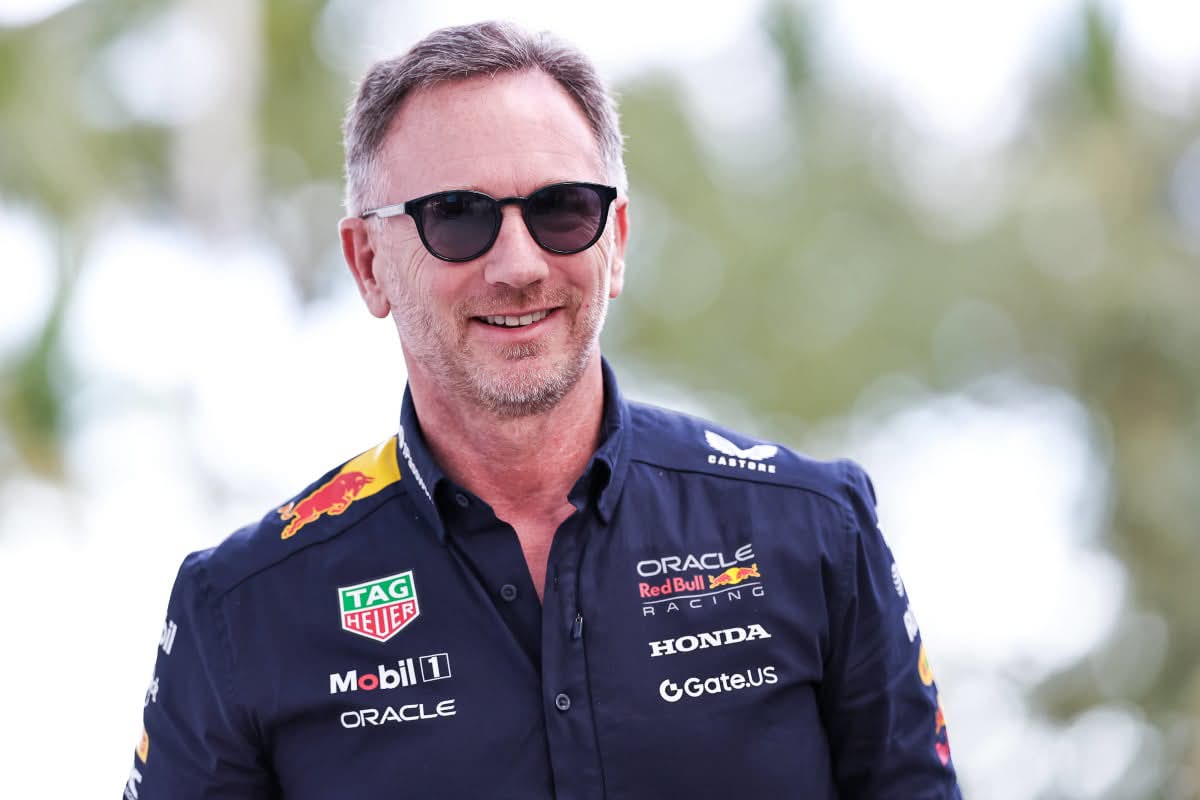

Recent developments in Formula 1 have reignited discussions about a potential return for Christian Horner, the former Red Bull Racing team principal, following strong remarks from FIA president Mohammed Ben Sulayem. While headlines may suggest that Horner’s comeback has been officially confirmed, the reality is more nuanced, with encouragement and expectation playing a larger role than any finalized agreement.
Horner, who was dismissed from his long-standing role at Red Bull Racing in July 2025, has spent months away from the Formula 1 paddock due to contractual obligations commonly referred to as “gardening leave.” This period, designed to prevent immediate movement to rival teams, has now concluded, meaning the experienced Brit is once again free to take up a position within the sport.
The end of this restriction has naturally led to speculation about where and when Horner might return. His name has been linked with several teams, including Alpine, Aston Martin, and even Audi, all of which are either undergoing structural changes or seeking experienced leadership to strengthen their competitive prospects. Despite these links, no official agreement has been confirmed with any team.
What has significantly fueled the latest wave of discussion is the stance taken by FIA president Mohammed Ben Sulayem. The governing body chief has been openly supportive of Horner’s return, making it clear that he believes Formula 1 would benefit from the reintroduction of one of its most recognizable and influential figures. In public statements, Ben Sulayem has emphasized that Horner’s contributions to the sport over the years cannot be overlooked, pointing to his long tenure and success at Red Bull.
During his time as team principal, Horner played a central role in building Red Bull into one of Formula 1’s dominant forces. Under his leadership, the team secured multiple constructors’ and drivers’ championships, working with top talents such as Sebastian Vettel and Max Verstappen. His departure therefore left a noticeable gap in the sport, both in terms of competitive leadership and personality within the paddock.
Ben Sulayem has gone as far as to state that Formula 1 “misses” Horner, expressing confidence that the 52-year-old will eventually return. He also revealed that he maintains regular contact with Horner, further reinforcing the belief that a comeback is not only possible but likely. However, it is important to stress that these comments represent personal support and expectation rather than an official FIA appointment or confirmation of a specific role.
The distinction between encouragement and confirmation is critical. While the FIA president can influence the broader direction of the sport and express opinions, he does not directly appoint team principals or dictate team management decisions. Any return for Horner would ultimately depend on negotiations with a Formula 1 team or a broader commercial arrangement, such as acquiring a stake in a team.
Indeed, one of the most intriguing aspects of Horner’s potential comeback is the form it might take. Reports suggest that he is not simply interested in returning as a conventional team principal. Instead, he is believed to be exploring opportunities that involve a degree of ownership or equity within a team. This approach would give him greater control and align with his long-term ambitions within the sport.
Such a requirement could complicate negotiations, as not all teams are in a position to offer ownership stakes. However, it also reflects Horner’s stature within Formula 1, where his experience and track record make him a highly valuable asset. Teams looking to rebuild or reposition themselves could see his leadership as a transformative addition.
The broader Formula 1 landscape also plays a role in shaping Horner’s potential return. The sport is currently undergoing significant changes, with new regulations, evolving team structures, and increased interest from manufacturers and investors. This dynamic environment creates both opportunities and challenges for someone seeking to re-enter at a senior level.
In addition to team-related possibilities, Horner has remained active in the wider motorsport and business world during his absence. He has been linked to investment activities and advisory roles, suggesting that he is keeping closely connected to the industry even while not holding an official Formula 1 position. This ongoing involvement could make his transition back into the paddock smoother when the right opportunity arises.
Another factor contributing to the ongoing speculation is Horner’s own apparent desire to return. Multiple reports indicate that he has unfinished business in Formula 1 and remains motivated to compete at the highest level. This ambition, combined with the support of influential figures like Ben Sulayem, strengthens the likelihood that his absence will not be permanent.
However, it is equally important to recognize that a return is not guaranteed in the immediate future. Negotiations in Formula 1 are often complex, involving financial considerations, contractual terms, and strategic alignment between parties. While the pathway is now open for Horner, the timing and nature of his comeback remain uncertain.
The narrative surrounding Horner’s situation has been amplified by the way it is presented in headlines and online discussions. Phrases such as “return confirmed” can create the impression that a deal has already been finalized, when in reality the situation is still evolving. The FIA president’s comments should therefore be interpreted as a strong endorsement rather than a definitive announcement.
In summary, Christian Horner is now free to return to Formula 1 following the expiration of his contractual restrictions, and he has received significant public backing from FIA president Mohammed Ben Sulayem. While this support underscores the expectation that Horner will eventually make a comeback, no official role or team appointment has been confirmed at this stage.
What remains clear is that Horner’s influence and legacy within the sport continue to resonate. His eventual return, whenever and wherever it happens, is likely to have a meaningful impact on the competitive and managerial landscape of Formula 1. Until then, the situation should be viewed as an ongoing development rather than a completed deal.