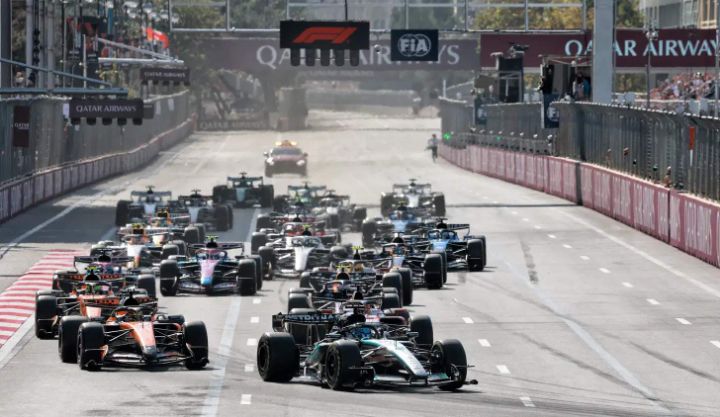

Azerbaijan Grand Prix Results Revised After Post-Race Penalty as Norris Demands Tougher Action
The 2026 Azerbaijan Grand Prix has continued to generate controversy even after the chequered flag, with a post-race penalty forcing an adjustment to the official classification in Baku. What had already been an unpredictable weekend became even more complicated when the FIA stewards intervened following an incident during the race.
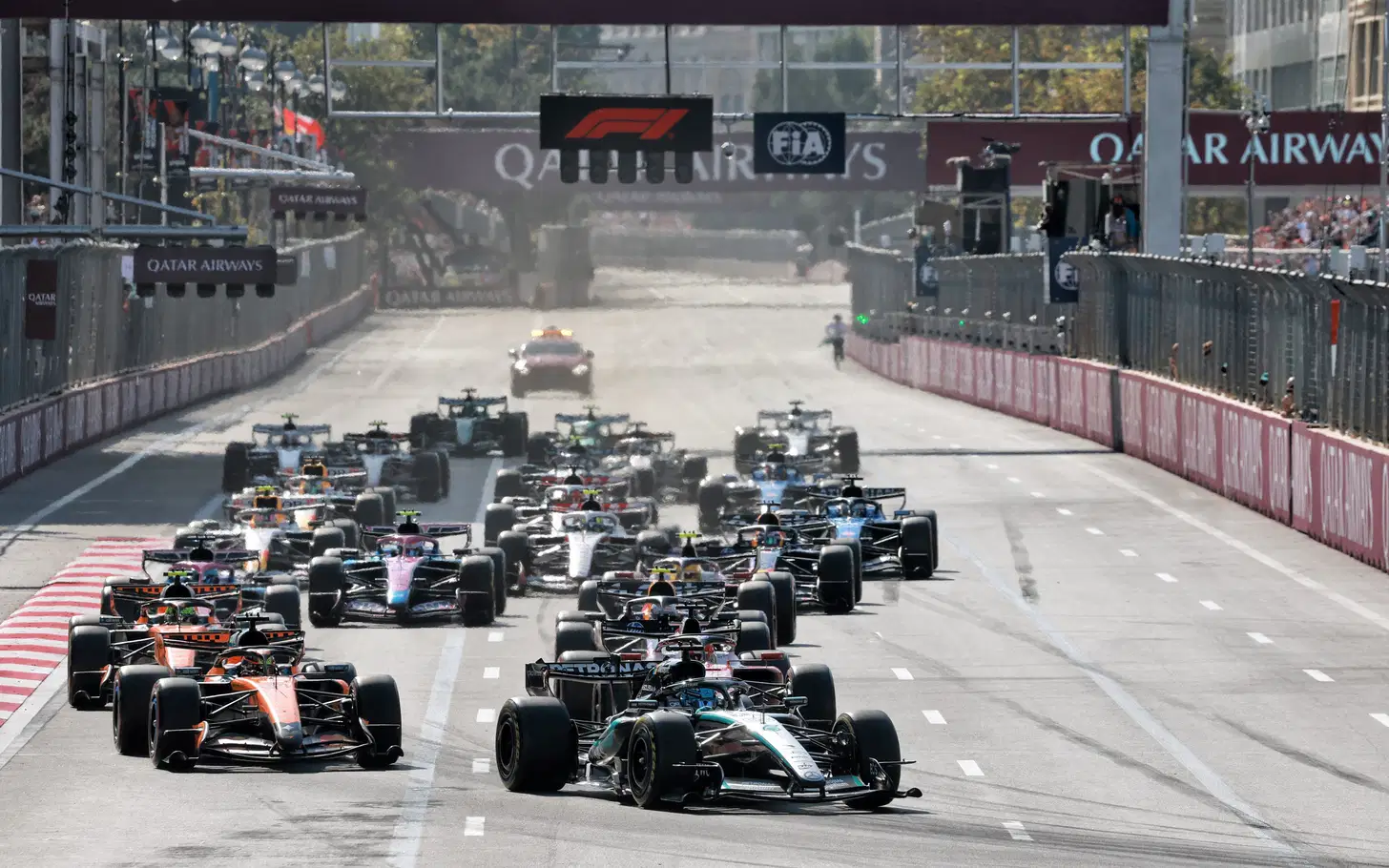
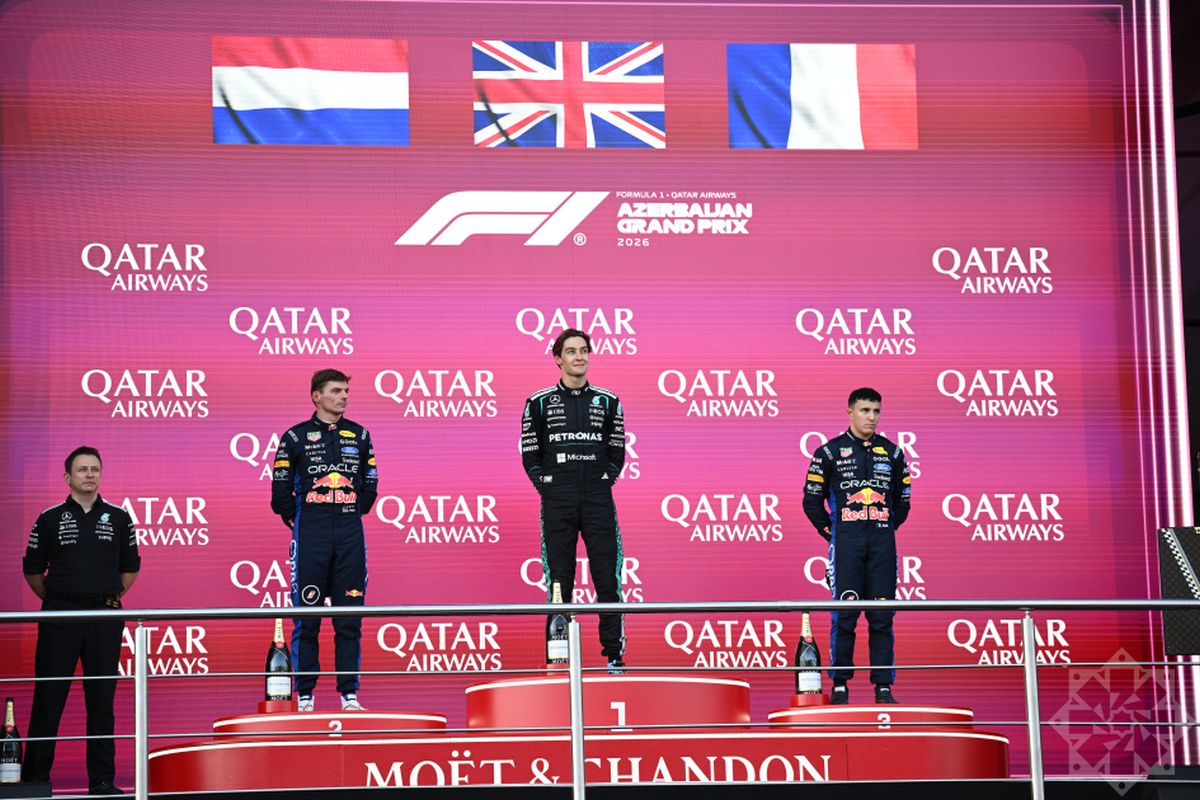
George Russell emerged as the winner of the Azerbaijan Grand Prix after producing a composed and disciplined performance around the notoriously challenging Baku City Circuit. The Mercedes driver managed the demanding street circuit effectively and converted a difficult race into a valuable victory. However, celebrations following the race were quickly accompanied by discussions surrounding the stewards’ decision and its effect on the final order.
The post-race sanction meant that one of the drivers involved in the incident received a penalty that altered their finishing position. As a result, the drivers who originally finished behind the affected competitor were promoted in the revised classification. Such changes can appear relatively small on the results sheet, but in a championship as closely contested as Formula 1, even a single position can have a meaningful impact on the points table.
The Azerbaijan Grand Prix had already provided plenty of drama before the stewards announced the penalty. Baku’s combination of narrow sections, heavy braking zones and extremely long straights once again created opportunities for overtaking while leaving little room for mistakes. Several drivers struggled to produce clean weekends, while others benefited from incidents involving their rivals.
Russell was one of the drivers able to take advantage of the unpredictable nature of the race. His victory gave Mercedes another significant result and strengthened the team’s position during an increasingly competitive part of the season. The result also gave Russell an important addition to his personal championship points tally as the 2026 campaign moved deeper into its crucial stages.
Despite Russell’s success, much of the post-race conversation centred on Lando Norris. The McLaren driver endured another frustrating weekend and was particularly vocal about incidents he considered unacceptable. Norris expressed concerns about driving standards during the race and argued that certain forms of dangerous driving should receive much stronger punishment.
The reigning champion went as far as calling for the FIA to consider race bans for drivers whose actions, in his view, go beyond normal hard racing. Norris’ comments have added considerable attention to the wider discussion surrounding penalties in Formula 1.
For years, the sport has attempted to find a balance between allowing drivers to race aggressively and maintaining appropriate safety standards. Incidents are an unavoidable part of motorsport, particularly on demanding circuits such as Baku. However, questions frequently arise when a driver’s actions result in contact, damage or significant consequences for another competitor.
Norris’ comments therefore provide another perspective on the ongoing debate over how the FIA should respond to serious incidents. His suggestion of race bans represents a significantly stronger form of punishment than the time penalties, grid penalties or other sanctions that are more commonly used during a Grand Prix weekend.
The controversy surrounding the Azerbaijan race was not limited to Norris, however. The revised classification also had implications for the championship standings at a time when every point is becoming increasingly important.
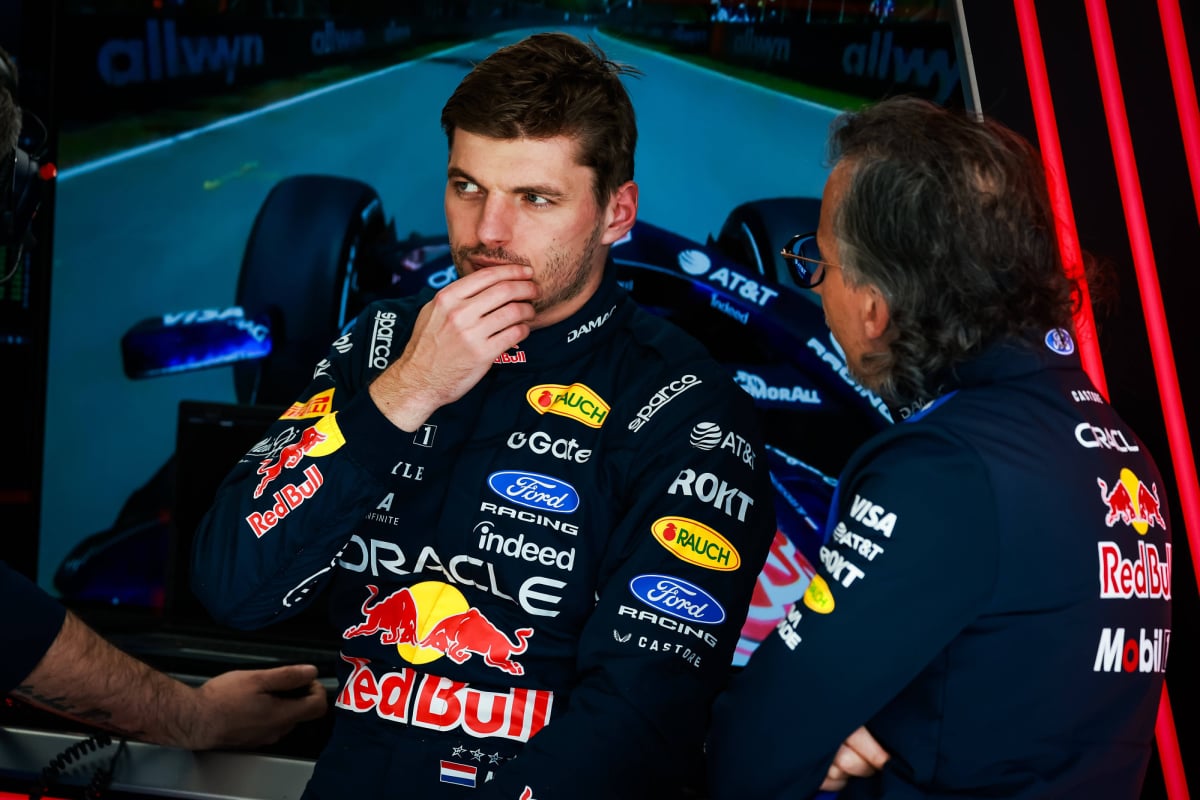
Russell’s victory was particularly valuable for Mercedes, while Max Verstappen’s podium finish allowed the Red Bull driver to add another substantial haul of points to his championship campaign. Verstappen’s result kept him firmly involved in the battle at the front of the standings as the season progressed.
Isack Hadjar also enjoyed one of the most memorable moments of the weekend by securing a podium finish. His result represented a major achievement, particularly given the intensity of the competition at the front of the field. Nevertheless, his afternoon was not completely free from scrutiny.
Hadjar was summoned by the stewards in relation to an alleged practice-start infringement. The investigation added another layer of uncertainty to a weekend in which the official classification was already attracting considerable attention. Any subsequent decision had the potential to affect the final result and the points awarded to the drivers involved.
The championship situation also made the Azerbaijan weekend particularly important for Kimi Antonelli. The championship leader experienced a difficult weekend after a crash during qualifying compromised his starting position. Instead of beginning the Grand Prix near the front, Antonelli was forced to start much further down the order.
That created an additional challenge for the Mercedes driver. Baku can provide opportunities for recovery because of its long straights and unpredictable racing conditions, but moving through the field still requires careful tyre management, strategic decision-making and avoiding unnecessary incidents.
Antonelli therefore had to balance the need to recover positions with the importance of protecting his championship advantage. Every overtake carried potential rewards, but taking unnecessary risks could have made his situation even more difficult.
The revised Azerbaijan classification consequently carries significance beyond the immediate results. In a championship where the margins between leading drivers can be narrow, post-race penalties can influence both the drivers’ and constructors’ standings. A single position gained or lost can affect the points accumulated over the course of a season, particularly when the championship enters its decisive phase.
For Mercedes, Russell’s victory represents an important boost. The team can take confidence from another strong result, while Russell’s performance provides additional momentum for his own campaign. At the same time, the wider championship picture remains open, with several drivers continuing to pursue valuable points.
McLaren, meanwhile, will have to deal with the frustration surrounding Norris’ weekend. The reigning champion’s criticism of driving standards is likely to remain a major talking point, especially if similar incidents occur during subsequent races.
The FIA’s handling of incidents will therefore remain under close scrutiny. Formula 1 drivers routinely operate at extremely high speeds, often racing within centimetres of one another, meaning disagreements over what constitutes acceptable racing are inevitable. However, when incidents have serious consequences, calls for stronger action are likely to become louder.
The Azerbaijan Grand Prix once again demonstrated why Formula 1 races are not always decided solely when the chequered flag falls. Stewards’ investigations, penalties and post-race decisions can all influence the final classification. For teams and drivers competing for championships, those decisions can sometimes be just as important as what happens on the circuit.
With the 2026 season continuing, the points affected by the revised Azerbaijan results could become increasingly significant. Russell’s victory has strengthened Mercedes’ position, Verstappen has added another important podium finish to his campaign, and Hadjar has emerged from Baku with a memorable result despite the subsequent stewards’ attention.
Antonelli, meanwhile, will be looking to recover from a challenging weekend and maintain his position in the championship battle. Norris’ comments have also ensured that the conversation surrounding driving standards will continue beyond Azerbaijan.
Ultimately, the events in Baku have once again highlighted the unpredictable nature of Formula 1. A race can change dramatically through incidents on track, strategic decisions and penalties issued after the chequered flag. As the 2026 campaign moves forward, every point will matter, and the consequences of decisions made during races could become increasingly important in determining how the championship develops.
The Azerbaijan Grand Prix has therefore left Formula 1 with more than just a winner. It has produced a revised classification, renewed debate over penalties, questions surrounding driving standards and another important shift in the championship picture. With more races still to come, the developments in Baku could prove to be another significant chapter in what is shaping up to be a highly competitive 2026 Formula 1 season.