Formula 1 is entering a highly charged period, as tensions grow both on and off the track. Discussions within the paddock are intensifying, particularly around the absence of Christian Horner and the potential impact of upcoming rulings from the FIA that could reshape the 2026 season.
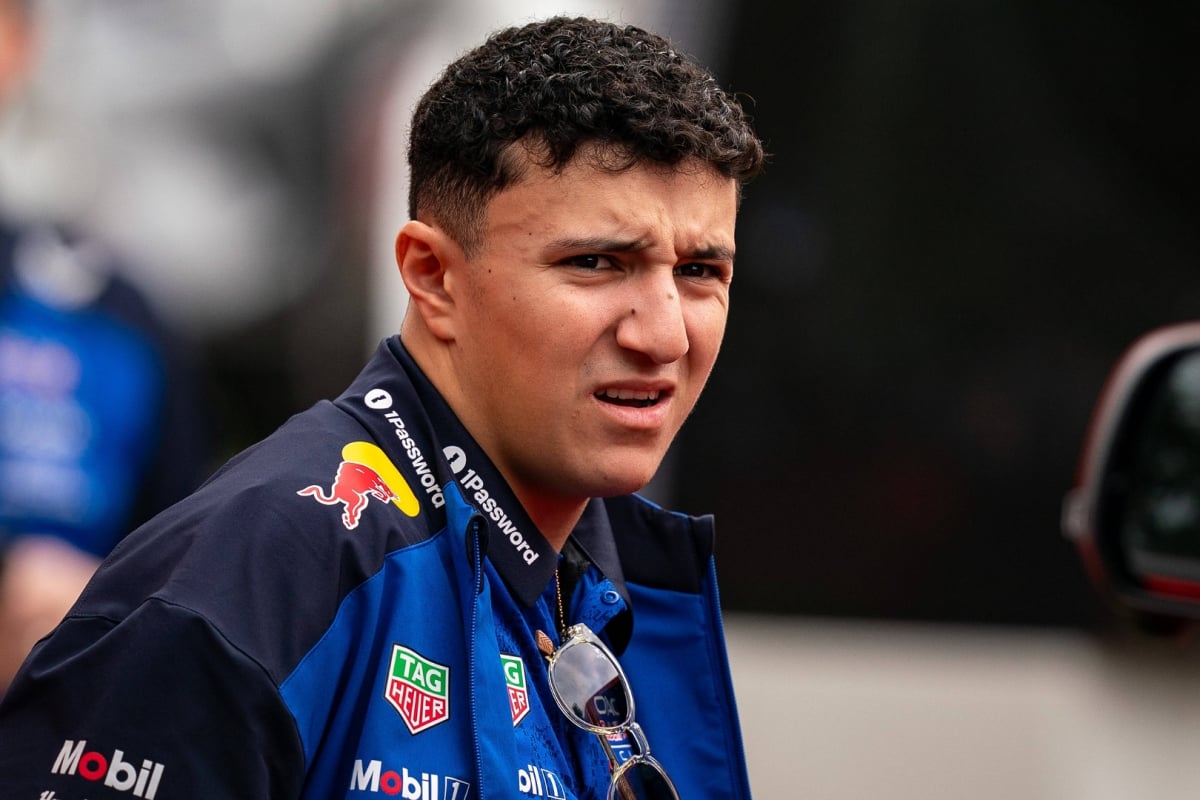
A major focus of attention is Max Verstappen, who has taken on a noticeably more vocal role in recent months. Since Horner’s departure from Red Bull Racing, Verstappen has shown a greater willingness to openly criticize the sport, particularly its evolving regulations and broader direction. His frustration has been evident, with the reigning champion even hinting that he could consider stepping away from Formula 1 if significant improvements are not made.
This change in Verstappen’s public stance has sparked widespread debate about Horner’s previous influence within the team. Known for his calm authority and strategic leadership, Horner was instrumental in maintaining stability inside Red Bull while also managing external pressures. His presence helped create a controlled environment where drivers could focus on performance without unnecessary distractions. In his absence, some observers believe Verstappen now feels less constrained, leading to his more outspoken approach.
As a result, speculation is growing that a return for Horner could help restore order within Red Bull. Supporters of this idea argue that his leadership would reintroduce structure and discipline at a crucial point in the season. With tensions rising and uncertainty surrounding the team’s direction, such stability could prove essential if Red Bull hopes to remain competitive in the title race.
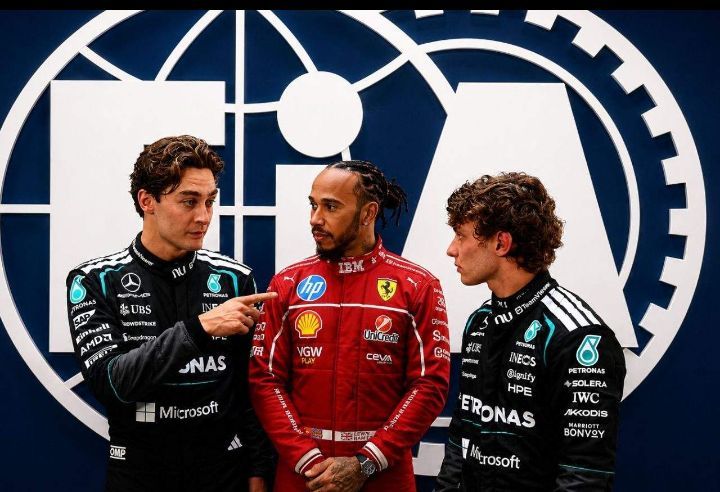
Meanwhile, another key storyline is unfolding elsewhere on the grid. Mercedes-AMG Petronas Formula One Team has emerged as the dominant force in the early stages of the 2026 championship. Their performances so far have set them apart as clear frontrunners for both the drivers’ and constructors’ titles. A combination of consistent race execution, strong pace, and apparent technical superiority has allowed Mercedes to build an early advantage over their rivals.
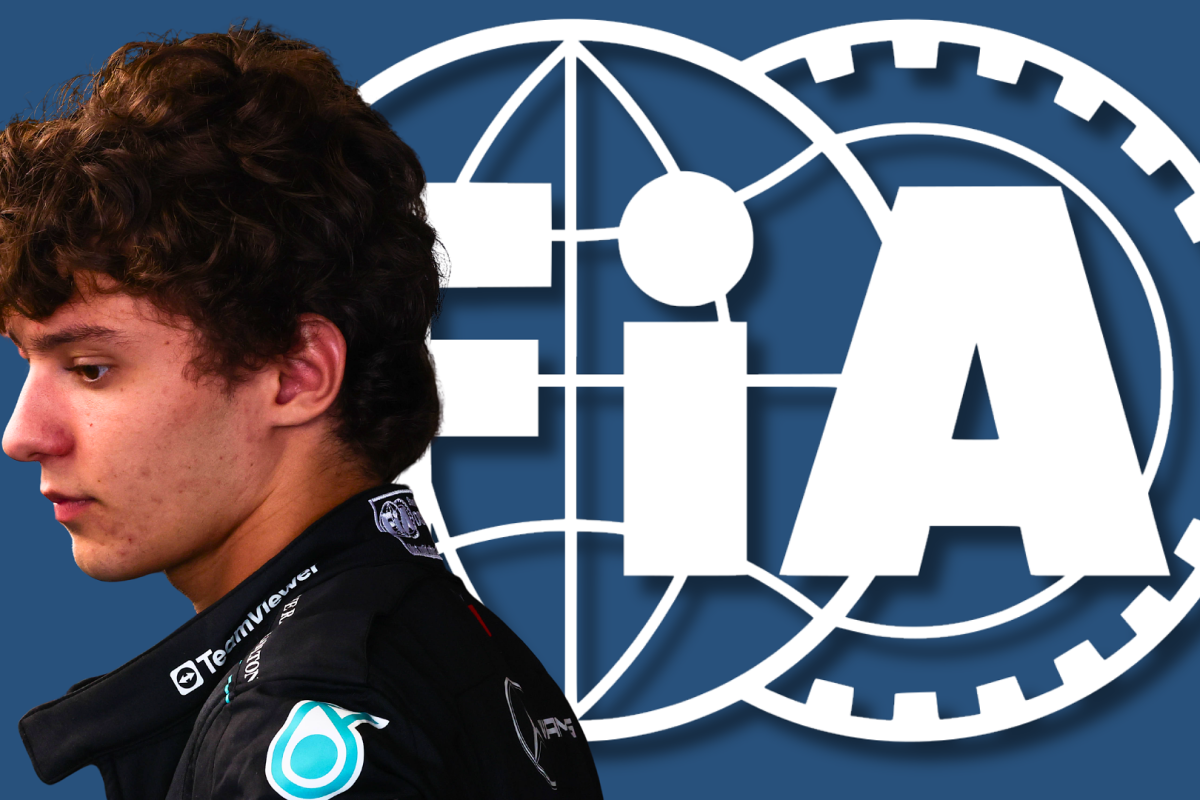
However, that dominance may soon be tested. The FIA is reportedly considering a “double ruling” that could directly affect Mercedes’ current edge. While specific details of these potential regulatory changes remain unclear, history shows that mid-season interventions can significantly alter the competitive balance in Formula 1. Adjustments to technical or sporting rules have often played a decisive role in reshaping championship battles.
The timing of any such decision will be critical. With the season still relatively young, regulatory changes could have far-reaching consequences across the grid. Should Mercedes’ advantage be reduced, it would likely create opportunities for rival teams—including Red Bull—to close the gap and rejoin the fight for supremacy.
Together, these developments underline a pivotal moment for Formula 1. Red Bull is facing internal questions about leadership and cohesion in the wake of Horner’s exit, while the FIA’s impending decisions could redefine the competitive order. Both factors are contributing to an atmosphere of uncertainty and anticipation within the sport.
For Verstappen, the situation is particularly significant. Beyond its immediate impact on his chances of securing additional championships, it may also influence his long-term future in Formula 1. His recent comments suggest a level of dissatisfaction that could shape his career decisions moving forward.
As the 2026 season continues to unfold, attention will remain fixed on Red Bull’s internal dynamics and the FIA’s next moves. Whether Mercedes can maintain its early dominance or the championship fight is dramatically reopened will likely depend on how these two storylines develop in the coming weeks.