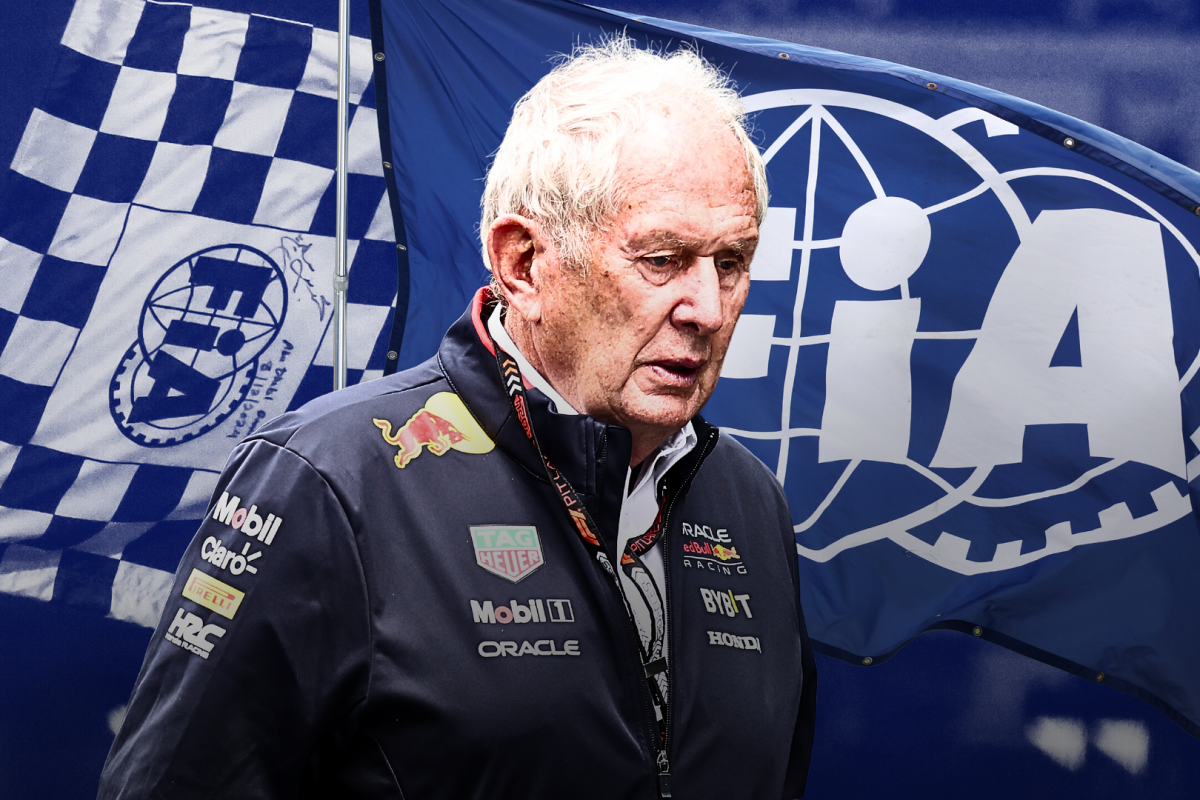
Helmut Marko has urged FIA to act quickly and reconsider its current direction with the 2026 Formula 1 regulations, even suggesting a significant reversal may be necessary. The Austrian, often described as a mentor figure to Max Verstappen, has voiced strong concerns about the impact of the sport’s latest technical overhaul.
For the 2026 season, Formula 1 introduced sweeping changes to both chassis and power unit rules. A key objective of these new regulations is to support the sport’s long-term sustainability targets, particularly its ambition to achieve Net Zero Carbon emissions by 2030. Central to this effort is a dramatic increase in the reliance on electrical energy, with hybrid systems now playing a far greater role than ever before.
However, this shift has sparked widespread criticism from drivers across the grid. Many believe that the increased dependence on electric power has fundamentally altered the driving experience—arguably for the worse. Among the most outspoken critics has been Verstappen, who has struggled to adapt to the new characteristics of his Red Bull car.
The reigning four-time world champion has reportedly described his 2026 challenger as extremely difficult to handle, even going as far as calling it “undriveable” after just three races. He has also expressed frustration that the sport is drifting away from its identity as the pinnacle of driver skill, suggesting that it now feels more like an “anti-driving” category due to the heavy influence of technology and software.
Concerns surrounding the new regulations have not been limited to performance and drivability alone. Safety has also become a talking point, particularly after Oliver Bearman was involved in a major crash during the Japanese Grand Prix. The incident highlighted the risks associated with increased closing speeds under the current energy deployment systems, further intensifying the debate around the regulations.
In response to mounting criticism, the FIA convened a meeting on April 9 with team representatives and the sport’s five power unit manufacturers. The aim was to explore potential adjustments that could address the growing list of concerns. Additional discussions have been scheduled, with a key deadline set for April 20. By that date, Formula 1 stakeholders are expected to determine which changes, if any, can be implemented in time for the next race weekend in Miami.
Despite these discussions, expectations remain modest. Insiders suggest that only minor tweaks to the current framework are likely, rather than a complete overhaul of the regulations. This cautious approach has done little to reassure critics like Marko, who believes the situation demands more decisive action.
Speaking candidly, Marko argued that the current systems are overly complex and place too much emphasis on software rather than driver ability. In his view, this imbalance undermines the essence of Formula 1, where driver skill should be the defining factor. He also questioned whether meaningful fixes could even be achieved within a single season, given the scale of the changes introduced.
The veteran advisor went a step further by proposing that Formula 1 should reconsider its heavy reliance on electric energy altogether. He suggested that reducing the influence of battery power and shifting focus back toward traditional combustion engines could help restore the competitive and technical balance of the sport.
Marko also pointed to the broader sentiment within the paddock, claiming that many drivers share a negative outlook on the current direction. According to him, urgent intervention is needed to prevent further dissatisfaction and potential long-term consequences, including the possibility of top drivers reconsidering their futures in the sport.
Meanwhile, the Formula 1 calendar is currently in a lull. Following the Japanese Grand Prix at the end of March, the championship has entered a five-week break, giving teams and governing bodies a window to address ongoing issues before racing resumes. All eyes are now on the FIA and whether it will respond decisively to the growing pressure for change ahead of the upcoming rounds.