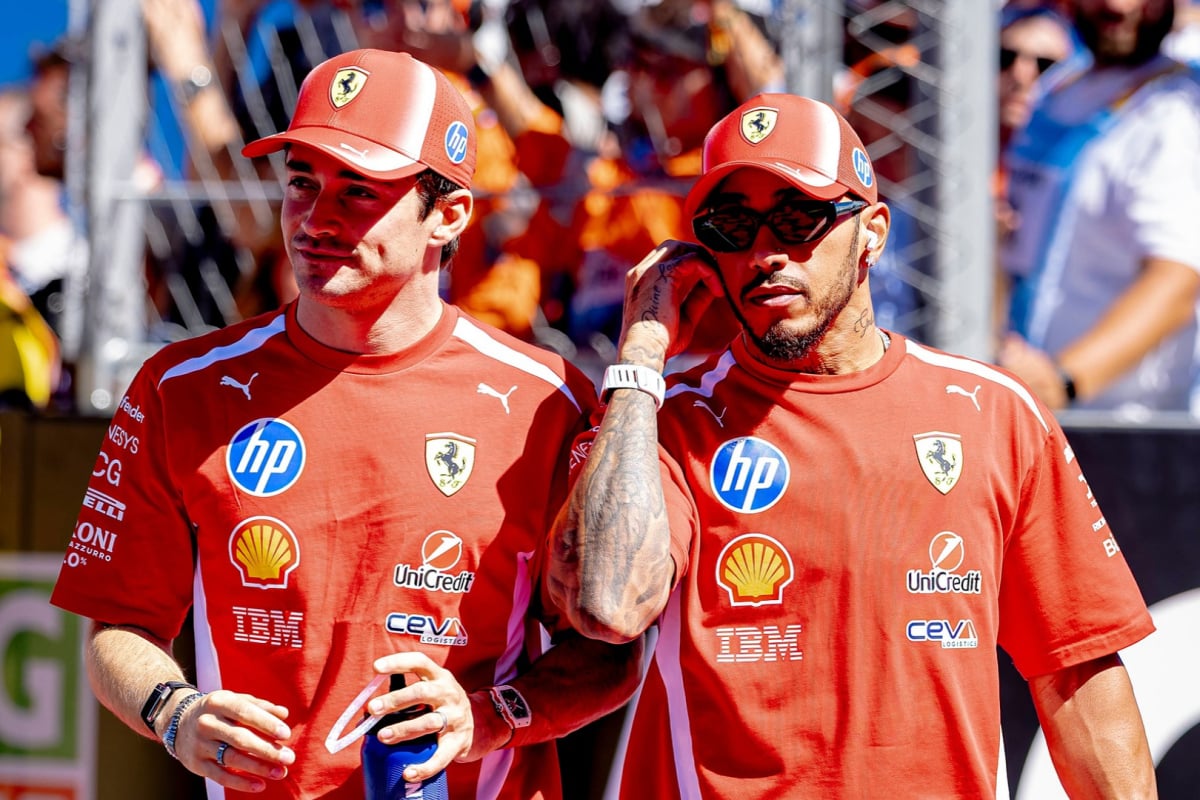

The upcoming Formula 1 weekend at the Circuit de Barcelona-Catalunya is shaping up to be defined by one dominant factor: heat. As teams, drivers, and fans prepare for the seventh round of the 2026 championship, all indications point toward a consistently warm and dry event, with conditions that could significantly influence both strategy and performance on track.
Unlike some race weekends where unpredictable weather adds an extra layer of drama, the forecast for Barcelona appears remarkably stable. Meteorological reports suggest that sunshine will dominate across all three days of action, from practice sessions through to Sunday’s Grand Prix. The likelihood of rainfall is extremely low—virtually nonexistent—meaning teams can plan their setups and race strategies without the usual concerns about changing conditions.
Temperatures are expected to steadily climb as the weekend progresses. During practice sessions, conditions will already be warm, but by the time qualifying arrives on Saturday, air temperatures are forecast to hover around the high 20s Celsius. Come race day, however, the heat will intensify further, with projections suggesting temperatures could approach or even exceed 30°C, with some estimates pushing as high as 34°C.
Such high temperatures are not unusual for this time of year in Spain, particularly in Catalonia, where early summer often brings clear skies and strong sunshine. However, in the context of Formula 1, these conditions carry important implications. Heat plays a critical role in tire behavior, engine cooling, and overall car performance, and Barcelona’s circuit layout only amplifies these challenges.
The Circuit de Barcelona-Catalunya is well-known among teams as a technically demanding track that features a mix of high-speed corners and long straights. Because of its layout, it places significant stress on tires—especially the front-left—making tire degradation a key factor even under moderate conditions. With temperatures expected to soar, tire wear could become even more pronounced, forcing teams to carefully manage their strategies over the course of the 66-lap race.
In such hot conditions, tire management becomes one of the most decisive elements of race performance. Drivers will need to strike a delicate balance between pushing for lap time and preserving their tires for longer stints. Excessive overheating can lead to reduced grip, increased degradation, and ultimately slower lap times. As a result, we may see teams opting for more conservative strategies, potentially involving additional pit stops or careful pacing during certain phases of the race.
Beyond tires, the heat will also test the physical endurance of the drivers. Cockpit temperatures in Formula 1 cars can rise dramatically during hot races, often exceeding ambient air temperature by a significant margin. With Barcelona expected to deliver some of the hottest conditions of the season so far, drivers will need to be in peak physical condition to maintain concentration and performance throughout the race distance.
From an engineering perspective, teams will also need to consider cooling requirements. High temperatures can strain power units, brakes, and other critical components. Engineers may adjust car setups to ensure sufficient airflow and cooling, even if it comes at the expense of aerodynamic efficiency. These trade-offs can influence straight-line speed and overall competitiveness, adding another layer of complexity to race preparation.
While the absence of rain removes one variable, it also places greater emphasis on precision and execution. In wet or mixed conditions, unexpected opportunities can arise, allowing drivers to gain positions through bold decisions or superior skill in tricky circumstances. In contrast, a dry and predictable race often rewards consistency, strategy, and outright pace.
The forecast of uninterrupted sunshine also has implications for track evolution. As more rubber is laid down on the racing line throughout the weekend, grip levels will increase, potentially leading to faster lap times. However, higher track temperatures can also make the surface more slippery, particularly during the hottest parts of the day. Teams will need to monitor these changes closely and adapt their setups accordingly.
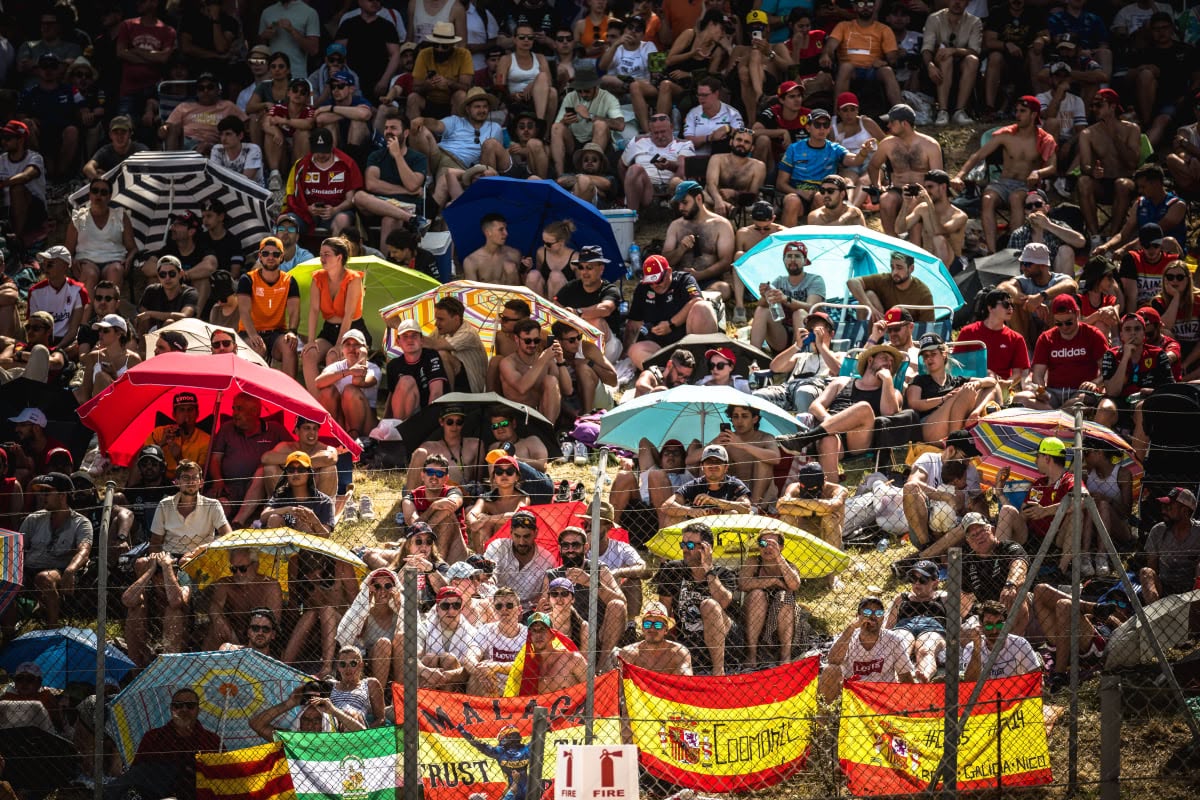
For fans attending the event, the weather promises an enjoyable but intense experience. Clear skies and warm temperatures are ideal for watching Formula 1, but the heat will require precautions such as hydration and sun protection. Reports have even suggested that conditions may warrant strong sun protection measures, underscoring just how intense the sunshine could be.
In summary, the 2026 Barcelona Grand Prix is expected to unfold under classic summer conditions: hot, dry, and sunny from start to finish. While this may reduce the unpredictability associated with changing weather, it introduces its own set of challenges, particularly in terms of tire management, driver endurance, and car cooling.
Ultimately, success in Barcelona will likely come down to which team can best adapt to the heat. Those who manage their tires effectively, maintain reliability under thermal stress, and execute precise strategies will have the upper hand. With temperatures climbing and no rain in sight, the stage is set for a race where consistency and control could prove more valuable than outright aggression.
As the lights go out on Sunday, all eyes will be on how teams and drivers handle the demanding conditions. In a sport where even the smallest details can make the difference, the weather in Barcelona may well play a decisive role in shaping the outcome of the race.