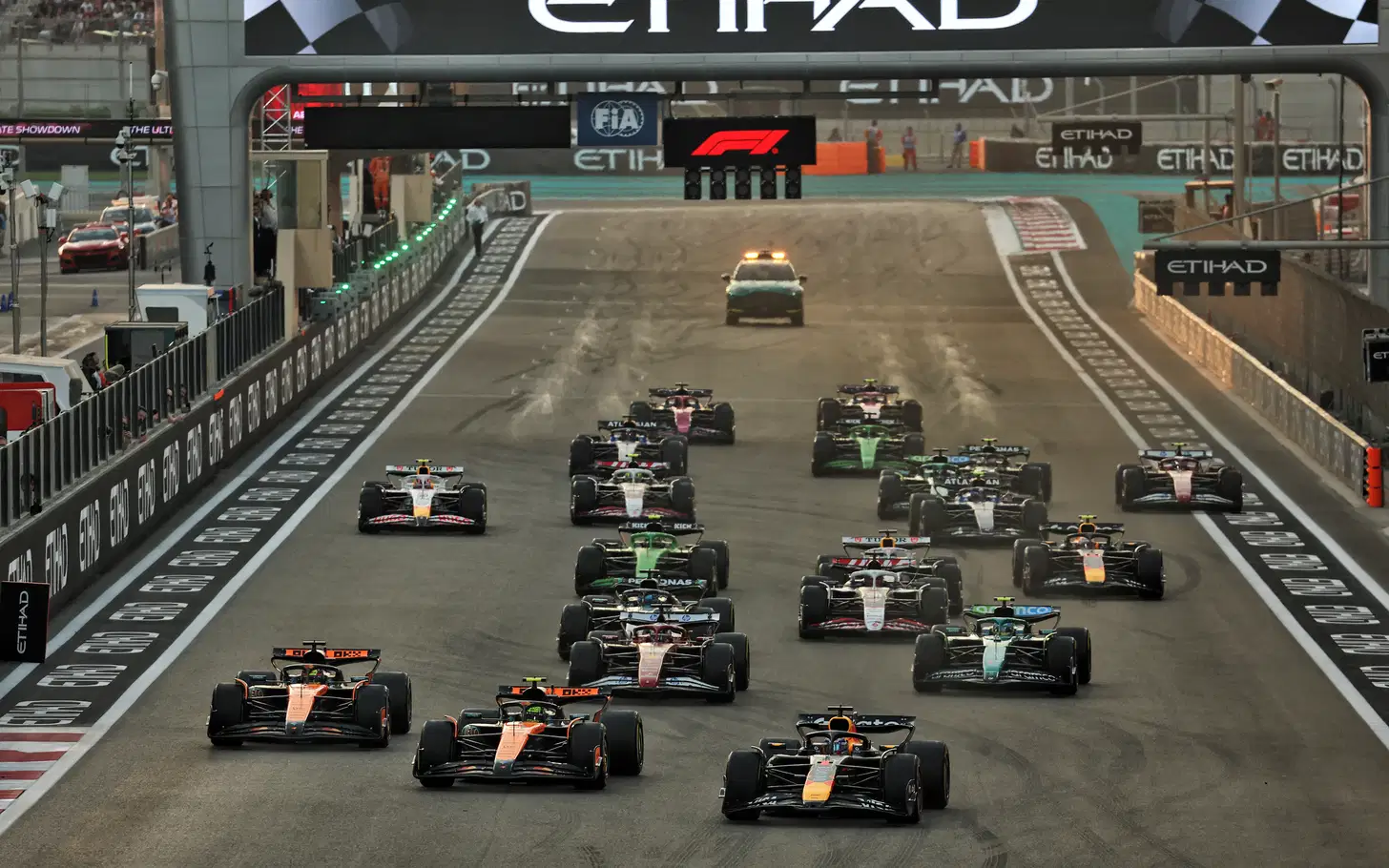
Formula 1 has reportedly begun preparing an emergency backup strategy for the 2026 season calendar as concerns continue to grow over potential disruptions to several scheduled races. According to reports, officials are determined to avoid major chaos in next year’s championship by ensuring contingency measures are already in place long before the season reaches its busiest stages. The move comes as the sport faces increasing pressure from geopolitical uncertainty, logistical complications, and the challenge of organizing one of the largest sporting calendars in the world.
The planned 2026 Formula One season is expected to feature an ambitious schedule packed with races across multiple continents. Organizers have already confirmed a calendar containing 24 grands prix, including several traditional venues and a handful of modern additions that continue Formula 1’s worldwide expansion. One of the biggest talking points surrounding the new calendar is the introduction of Madrid as the host of the Spanish Grand Prix, while historic venues such as Imola have dropped off the schedule.
However, despite the excitement surrounding the new era of Formula 1, reports indicate that officials are aware that not every event may proceed smoothly. Because of this possibility, F1 leadership and the FIA have reportedly created alternative plans in case races are cancelled, postponed, or forced to relocate during the year. The goal is to ensure the championship can continue without major interruptions even if unexpected global events affect particular regions.
The contingency discussions appear to have intensified following complications already seen in the 2026 schedule. Earlier reports suggested that both the Bahrain and Saudi Arabian Grands Prix faced uncertainty due to regional instability. That situation raised fears about how quickly Formula 1 might need to react if another race weekend became impossible to stage. Sources indicate that the sport does not want to repeat previous situations where schedules were heavily reshuffled at short notice, leading to logistical nightmares for teams and organizers.
Formula 1 has experienced several calendar disruptions in recent years, especially during periods affected by global health crises, political tensions, and transportation challenges. Those experiences appear to have convinced senior officials that a proactive approach is necessary. Rather than waiting for emergencies to happen, Formula 1 is now believed to be preparing replacement options in advance, allowing the championship to adapt much more quickly if problems emerge.
The 2026 campaign is particularly significant because it marks the beginning of Formula 1’s major new technical era. Fresh regulations are set to dramatically change the appearance and performance of the cars, with greater emphasis on sustainability, improved electrical power systems, and environmentally friendly fuel technology. Several manufacturers and teams are also preparing for major changes, including the arrival of new engine suppliers and expanded manufacturer involvement.
Because of these sweeping changes, Formula 1 leadership reportedly believes maintaining calendar stability is essential. Teams will already be under pressure adapting to entirely new technical regulations, and additional uncertainty regarding race scheduling could create even greater difficulties. A disrupted calendar would affect travel planning, freight movement, sponsorship commitments, television arrangements, and team preparation throughout the season.
Another challenge facing the sport is the sheer scale of the 2026 championship. With races scheduled across Europe, Asia, the Middle East, North America, and South America, the logistical operation behind Formula 1 has become enormous. Transporting cars, spare parts, hospitality units, broadcasting equipment, and personnel across the globe already requires military-level organization. Any sudden cancellation or venue change can trigger a chain reaction that affects several future races on the calendar.
Reports suggest that Formula 1’s contingency plans could involve reserve venues being kept on standby should replacement races become necessary. While no official backup circuits have been publicly confirmed, there is speculation that some former venues or tracks with existing FIA approval may be considered as emergency alternatives. Historically, Formula 1 has occasionally returned to circuits at short notice when unforeseen circumstances forced adjustments to the championship.
Fans are also paying close attention to how the calendar evolves because 2026 contains several important transitions. The Dutch Grand Prix, for example, is expected to make its final appearance before leaving the schedule. Madrid’s arrival as a new venue has also generated widespread interest, particularly because it represents Formula 1’s continued push toward high-profile city-based events.
The official Formula 1 calendar currently shows a packed season beginning in Australia and concluding in Abu Dhabi. Major races including Monaco, Silverstone, Monza, Singapore, Las Vegas, and São Paulo remain key parts of the schedule. The calendar has been designed to improve regional grouping in order to reduce unnecessary travel and support Formula 1’s environmental goals.
Despite those efforts, uncertainty surrounding global events means the championship remains vulnerable to sudden disruptions. Motorsport insiders believe Formula 1’s willingness to prepare backup options demonstrates how seriously officials are taking potential risks. The sport appears determined to avoid situations where championships become disorganized or where teams face extreme operational stress because of abrupt calendar changes.
The FIA’s role in the process is also expected to be crucial. As the governing body of Formula 1, the FIA must work alongside commercial rights holders, promoters, and local authorities to ensure races meet safety and organizational standards. Any decision to replace or cancel an event would require careful coordination between multiple parties, particularly given the financial importance of hosting a Formula 1 race weekend.
For teams and drivers, having a clearer contingency framework could provide reassurance heading into the new era. Stability will be especially important as manufacturers attempt to master the new technical regulations and fight for competitive advantages under the revised rule set. Teams are expected to spend enormous amounts of money and resources preparing for 2026, making predictable scheduling even more valuable.
Ultimately, Formula 1’s reported contingency planning highlights how much the sport has evolved in recent years. The championship is no longer simply reacting to unexpected crises after they happen. Instead, organizers are trying to anticipate problems before they arise and create systems capable of protecting the integrity of the season. While fans hope every planned grand prix proceeds without issue, Formula 1 appears determined to ensure that even if disruptions occur, the championship can continue with minimal chaos.