
FIA Summons Formula 1 Drivers at Monaco Grand Prix Over Unusual Regulations Breach
The Monaco Grand Prix weekend got off to an unexpected start after several Formula One stars found themselves under investigation by FIA stewards before the competitive action had fully begun. In a development that surprised many within the paddock, two high-profile drivers were summoned by race officials over what appeared to be a relatively minor but nevertheless significant breach of Formula One regulations.
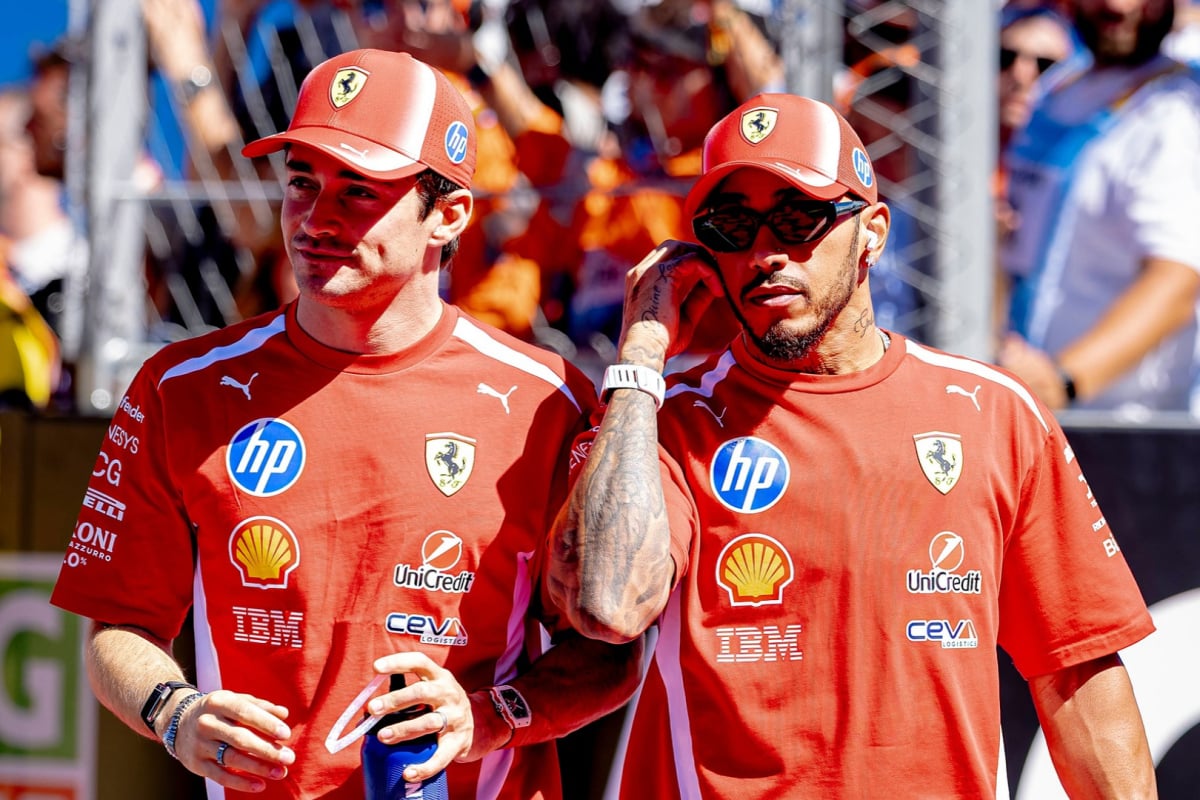
The drivers involved were McLaren’s Lando Norris and Ferrari’s Charles Leclerc, both of whom were required to report to FIA stewards following an incident linked not to their performance on the racetrack, but to their participation in official media activities. The unusual nature of the summons immediately attracted attention throughout the Formula One community, as drivers are more commonly called before stewards for on-track incidents, technical infringements, or sporting disputes rather than issues related to press conference attendance.
According to reports from Monaco, both Norris and Leclerc arrived late for the FIA’s official Thursday press conference, a mandatory media event that forms part of the sport’s weekend schedule. While the delay may appear insignificant from an outside perspective, Formula One regulations place considerable importance on official media obligations, treating them as a key component of the championship’s operations.
The FIA cited a potential breach of Article B10.1.1a of the Formula One Sporting Regulations. This rule requires drivers selected for official media appearances to attend punctually and fulfill their obligations as scheduled. Failure to comply can lead to investigations and, in some cases, penalties ranging from warnings and reprimands to financial sanctions.
Leclerc and Norris had been assigned to the first media session of the day in Monaco. The Ferrari driver was expected to appear at the designated start time, while Norris was scheduled shortly afterward. However, both reportedly arrived later than required, prompting FIA officials to launch an investigation and schedule hearings before the stewards.
The timing of the incident made the situation particularly unusual. Typically, drivers face scrutiny after practice sessions, qualifying, or races when incidents occur on track. In this case, the investigation was initiated before either driver had completed a competitive lap around the famous Monaco street circuit. As a result, discussions in the paddock quickly shifted from race preparation to questions surrounding regulatory compliance and potential disciplinary action.
Although the breach was considered relatively minor, the FIA’s decision to proceed with formal hearings demonstrates the governing body’s commitment to enforcing all aspects of the sporting regulations. Formula One has increasingly emphasized professionalism in recent years, with drivers, teams, and officials expected to meet strict standards both on and off the track. Media commitments play a significant role in promoting the championship globally, making attendance requirements an important part of a driver’s responsibilities.
For Leclerc, the investigation added an unexpected distraction ahead of one of the most important races on the calendar. The Monaco native has always received enormous support from local fans and faces significant expectations whenever Formula One visits the Principality. Competing on home soil brings unique pressure, and the last thing any driver wants before practice begins is a meeting with the stewards.
Norris, meanwhile, entered the weekend carrying his own ambitions and expectations. As one of Formula One’s leading competitors, he was hoping to focus entirely on extracting the maximum performance from his McLaren around one of the most demanding circuits in motorsport. Instead, part of his preparation time was diverted toward explaining the circumstances surrounding his late arrival.
Despite the attention generated by the incident, experts suggested that severe punishments were unlikely. Historically, cases involving late attendance at FIA press conferences have generally resulted in warnings, reprimands, or modest financial penalties rather than sporting sanctions that affect race results. Nevertheless, the formal process required both drivers to account for their actions before race officials.
The episode also highlights the increasingly detailed nature of modern Formula One governance. Today’s drivers operate within a highly regulated environment that extends far beyond driving duties. Alongside racing responsibilities, competitors must participate in media sessions, promotional activities, sponsor commitments, technical briefings, and official FIA events. Failure to meet any of these obligations can result in disciplinary proceedings, regardless of whether the issue has any direct impact on competitive performance.
Many observers noted that such incidents serve as reminders that Formula One is not only a sporting competition but also a global entertainment and commercial platform. Media access is crucial for broadcasters, sponsors, journalists, and fans, making punctual participation an important requirement for all competitors. The FIA’s willingness to investigate even relatively minor breaches underscores its determination to maintain consistency across the championship.
As the Monaco Grand Prix weekend progressed, attention gradually returned to the action on track. However, the incident remained one of the early talking points in the paddock, generating debate about the balance between regulatory enforcement and common-sense discretion. Some argued that strict adherence to the rules is essential for maintaining professionalism, while others questioned whether minor delays should warrant formal steward investigations.
Regardless of differing opinions, the case demonstrated the FIA’s commitment to applying regulations uniformly. Whether the issue involves technical compliance, sporting conduct, safety matters, or media obligations, Formula One’s governing body continues to emphasize accountability throughout every aspect of a race weekend.
For Norris and Leclerc, the objective remained unchanged: put the distraction behind them and concentrate on delivering strong performances around the iconic streets of Monaco. With the championship battle continuing and valuable points available, neither driver could afford to allow an off-track administrative matter to affect their focus.
Ultimately, the unusual summons served as an early reminder that in Formula One, every detail matters. From race strategy and technical performance to media appearances and procedural obligations, drivers are expected to meet the highest standards at all times. While the investigation may have stemmed from something as simple as arriving late to a press conference, it highlighted the meticulous regulatory framework that governs one of the world’s most prestigious sporting championships.