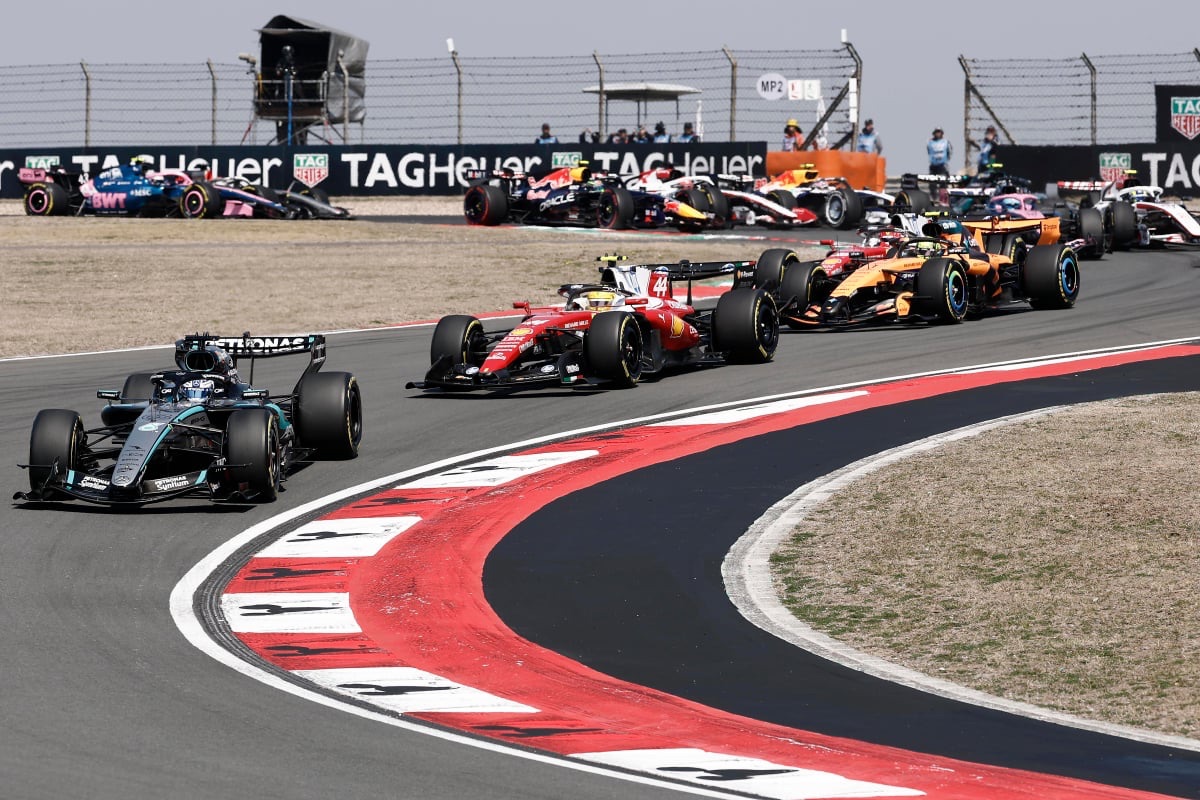
Formula 1 teams are reportedly resisting plans to bring the Saudi Arabian Grand Prix back onto the 2026 calendar, with concerns growing over the pressure such a move would place on the final part of the season.
The race in Jeddah was originally scheduled for April, but like the Bahrain Grand Prix, it was cancelled due to rising tensions and unrest across parts of the Middle East. Those cancellations reduced this year’s F1 calendar from 24 races to 22, leaving a gap in the championship and creating uncertainty over whether the Saudi event could still be staged later in the year.
Despite the cancellation, local organisers in Saudi Arabia are said to be determined to keep the race alive. Reports from Japanese outlet AS-Web claim that officials in Jeddah are still pushing hard for Formula 1 to approve a new date before the end of the season.
The proposed solution would place the Saudi Arabian Grand Prix in the final stretch of the championship, specifically between the Las Vegas Grand Prix and the Qatar Grand Prix. If accepted, it would create an extremely intense finish to the season, with four races taking place consecutively.
That possibility has not gone down well with several teams on the grid.
Leading outfits, including constructors’ championship leaders Mercedes, are reportedly against the idea, arguing that such a demanding schedule would create major logistical and operational problems. Teams already face enormous pressure managing travel, freight, car preparation, and staff fatigue across a long season, and adding another race into an already packed run-in could stretch resources too far.
Back-to-back races are common in Formula 1, but four in a row would be a major challenge, especially when those races are spread across different continents and require rapid transportation of equipment and personnel. Team principals are said to believe the added strain could impact both performance and staff wellbeing.
The concern is not only about racing but also about the practical side of running a modern F1 operation. Freight schedules, spare parts, hospitality setups, and technical support all become significantly harder to manage when the calendar becomes too compressed.
There is also another major issue creating hesitation: uncertainty over whether the final races already on the schedule will happen as planned.
Both the Qatar Grand Prix and the Abu Dhabi Grand Prix remain under close observation due to regional instability. Formula 1 officials are reportedly monitoring the situation carefully, as there are still doubts about whether conditions will improve enough to guarantee safe race weekends later in the year.
This uncertainty makes the Saudi proposal even more complicated. If Qatar or Abu Dhabi were to face disruption, the entire end-of-season schedule could require another major reshuffle.
Saudi officials, however, remain confident. They reportedly insist that Jeddah is safe and fully capable of hosting a Grand Prix, even suggesting they would be prepared to stage the season finale if necessary.
Their determination reflects the country’s significant investment in Formula 1 and global motorsport, with the Saudi Arabian Grand Prix becoming one of the most high-profile events on the calendar since its introduction.
Still, safety concerns remain difficult to ignore.
Many within the paddock still remember the dramatic events of the 2022 Saudi Arabian Grand Prix weekend, when a missile strike linked to the conflict in Yemen hit an oil facility close to the Jeddah Corniche Circuit. Smoke from the explosion was visible from the track, creating serious concern among drivers, teams, and officials.
Although the race ultimately went ahead that year, the incident left a lasting impact and continues to influence discussions whenever the event’s future is debated.
For now, no final decision has been made about whether Saudi Arabia will return to the 2026 calendar. Formula 1 faces the difficult task of balancing commercial interests, championship scheduling, team concerns, and safety considerations.
With teams strongly opposing the current proposal, the chances of a late-season Saudi Grand Prix remain uncertain, and the sport may ultimately decide that maintaining stability is more important than restoring the lost race.