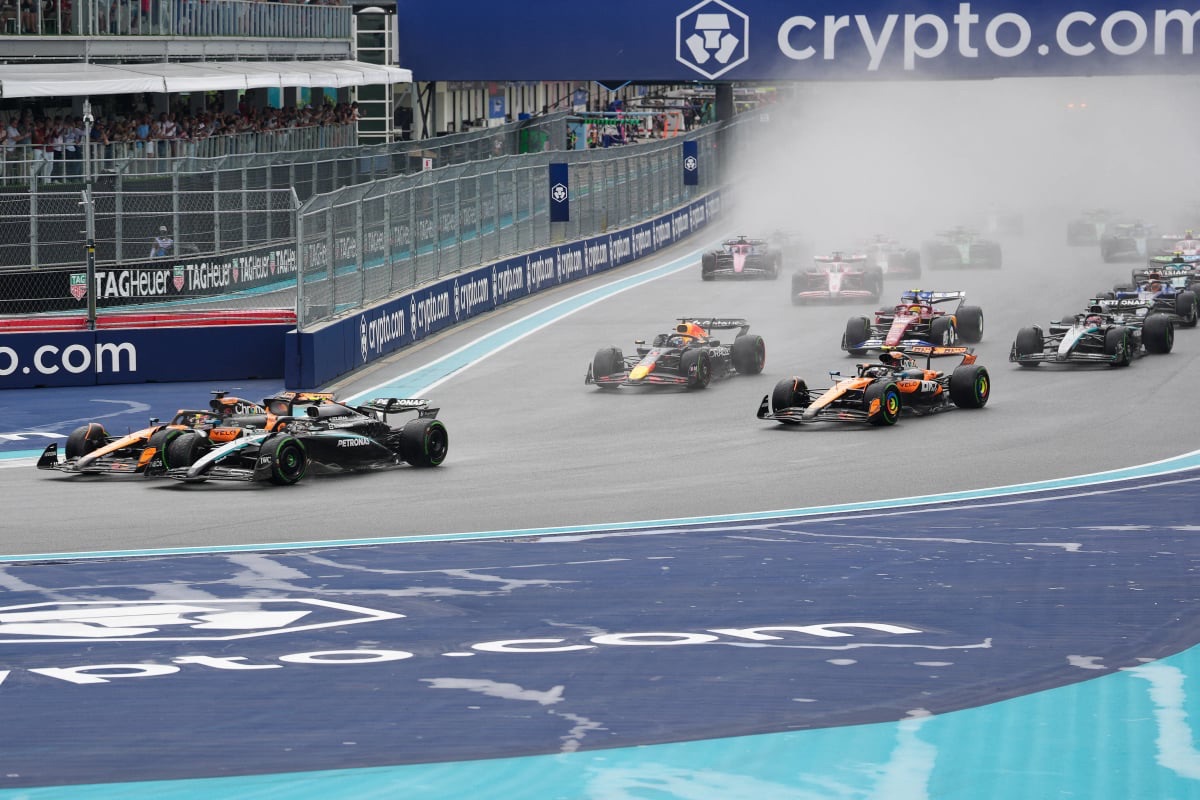
The FIA has confirmed a notable adjustment to the schedule of the Miami Grand Prix following a series of disruptions that affected the racing calendar.
In response to recent race cancellations and the extended gap between events, Formula 1’s governing body has decided to lengthen the opening practice session of the Miami weekend. Instead of the standard 60-minute format, Friday’s Free Practice 1 (FP1) will now run for 90 minutes, giving teams and drivers additional time to prepare.
This extended session will take place at the Miami International Autodrome and is scheduled to begin at 12:00 local time, concluding at 13:30. To accommodate this change, all preceding track activities on Friday will also be moved forward by 30 minutes.
The FIA explained that this decision was not made lightly but comes after discussions with key stakeholders across the sport. Teams have recently introduced a wave of technical upgrades, and with limited opportunities to test them under race conditions, the governing body felt it necessary to provide extra track time.
Another important factor behind the adjustment is the sprint race format used during the Miami weekend. Unlike traditional race weekends, sprint events reduce the amount of practice time available, placing greater emphasis on making the most of limited sessions. By extending FP1, the FIA aims to balance this constraint and ensure teams can adequately fine-tune their setups.
In its official statement, the FIA emphasized that the decision reflects multiple considerations, including the break since the last grand prix, the introduction of new technical and regulatory updates, and the unique structure of the sprint format. The governing body believes the extra 30 minutes will help teams gather crucial data and improve overall competitiveness on track.
For drivers, the added time could prove invaluable. With evolving car designs and upgrades being rolled out, every additional lap provides an opportunity to better understand performance, tire behavior, and track conditions. This is especially important at a circuit like Miami, where changing weather and surface characteristics can significantly impact car setup.
Teams are also expected to benefit from the extended session, as it allows engineers more time to analyze data and make informed adjustments before competitive sessions begin. In a sport where margins are often measured in thousandths of a second, even a small increase in preparation time can make a meaningful difference.
Ultimately, the FIA’s move highlights its effort to maintain fairness and competitiveness amid a disrupted schedule. By adapting the weekend format, the organization aims to ensure that teams are not disadvantaged by factors beyond their control.
As anticipation builds for the Miami Grand Prix, this schedule change adds another layer of intrigue. With more time to prepare, teams may arrive better equipped to deliver strong performances, potentially shaking up the competitive order when the action gets underway.