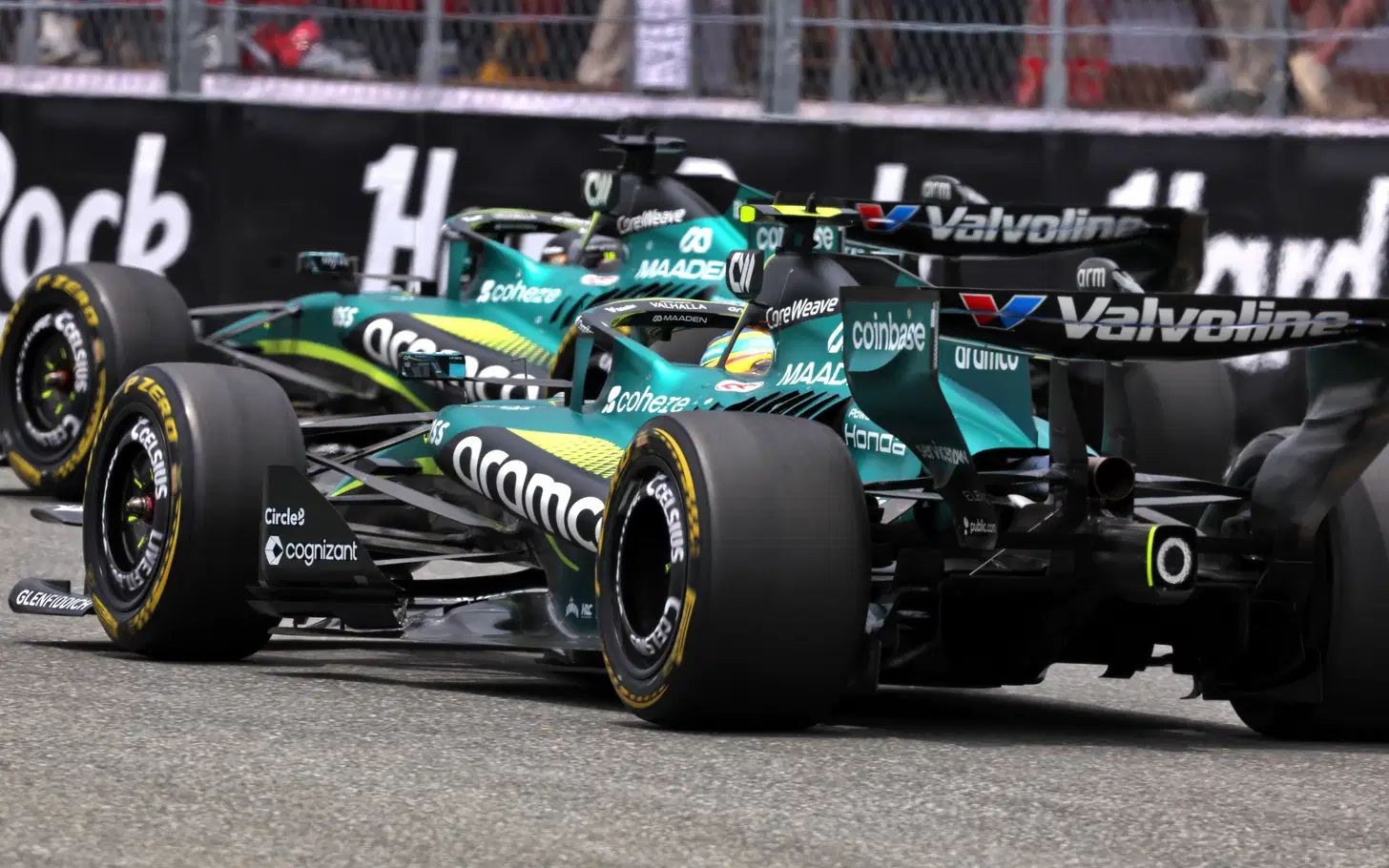

Fernando Alonso has delivered a brutally honest assessment of modern Formula One, claiming the sport “lost nearly a decade” during a period where innovation, competition, and entertainment failed to progress as expected. The two-time Formula One world champion expressed concern about how certain decisions over the years affected the quality of racing and slowed the natural evolution of the sport. His comments have once again sparked debate across the motorsport community regarding Formula One’s direction and how the championship has changed in recent years.
Alonso, who remains one of the most experienced and respected drivers on the grid, reflected on Formula One’s past eras while discussing the current state of competition. According to the Aston Martin driver, there was a period where the sport became too predictable, reducing excitement both for drivers and fans. He suggested that Formula One spent several years trapped in a cycle where only a small number of teams were capable of consistently fighting for victories, leaving little room for genuine competition elsewhere on the grid.
The Spaniard’s criticism appeared focused largely on Formula One’s technical regulations and how they shaped the competitive balance across different eras. Over the years, Formula One has frequently introduced new engine rules, aerodynamic concepts, and development restrictions in an attempt to improve racing quality. However, Alonso believes some of these changes failed to deliver the intended results and instead created long periods of dominance that limited unpredictability in the sport.
During several previous Formula One eras, teams such as Mercedes and Red Bull established overwhelming advantages over their rivals. While dominance has always existed in Formula One history, Alonso appeared to suggest that recent periods became too one-sided for too long. In his view, the lack of close competition may have prevented the sport from reaching its full entertainment and sporting potential during those seasons.
Alonso also hinted that Formula One became overly dependent on technical complexity rather than focusing purely on racing spectacle. Modern Formula One cars have evolved into extremely advanced machines filled with complicated aerodynamic systems, hybrid power units, and highly sensitive performance characteristics. While these innovations represent impressive engineering achievements, critics have often argued that they also made overtaking more difficult and reduced wheel-to-wheel battles on track.
The veteran driver’s comments come at a time when Formula One is preparing for another major regulatory shift. The upcoming changes are expected to introduce new aerodynamic concepts and revised power unit regulations aimed at creating closer competition and more sustainable technology. Alonso appears hopeful that the sport is finally moving in a better direction after years of imbalance and predictability.
Despite his criticism, Alonso acknowledged that Formula One has made important progress in several areas. The sport’s global popularity has grown enormously over the past decade, attracting millions of new fans worldwide through digital platforms, social media, and documentary productions. Race attendance figures and television audiences have increased significantly, transforming Formula One into one of the fastest-growing sports globally.
Safety improvements have also remained a major success story for Formula One throughout recent years. Advances in driver protection systems, circuit design, and medical response have dramatically reduced risks in what remains one of the world’s most dangerous sports. Technologies such as the Halo device have already proven lifesaving during several serious accidents, highlighting how innovation continues to benefit driver safety.
However, Alonso’s remarks underline a wider frustration shared by some drivers and long-time fans who believe Formula One occasionally prioritised engineering dominance over competitive balance. In highly dominant eras, race outcomes often became predictable before weekends even began, reducing suspense and making it harder for smaller teams to challenge at the front. Alonso believes those years ultimately slowed the competitive growth of the sport.
The Aston Martin driver also stressed the importance of maintaining Formula One’s identity as a racing championship first and foremost. While technology and engineering will always remain central to Formula One, Alonso suggested the sport must continue finding ways to improve on-track battles and maintain unpredictability. Competitive racing, according to many drivers, remains the most important factor in keeping fans emotionally invested throughout entire seasons.
Alonso’s perspective carries significant weight because of his long history within Formula One. Having competed across multiple generations of cars and regulations, he has experienced many different eras of the sport firsthand. From the naturally aspirated V10 engines of the early 2000s to today’s complex hybrid systems, Alonso has witnessed Formula One’s dramatic transformation over the course of his career.
As Formula One prepares for its next chapter, Alonso’s comments serve as both criticism and warning. The sport’s leadership faces increasing pressure to ensure future regulations create closer racing while maintaining Formula One’s reputation as the pinnacle of motorsport engineering. Fans, teams, and drivers will all be watching closely to see whether the upcoming changes can finally deliver the level of competition many believe the sport has lacked for years.
Ultimately, Alonso’s “lost nearly a decade” claim reflects deeper concerns about Formula One’s balance between technology, entertainment, and competition. While the sport remains globally successful and technologically extraordinary, many within the paddock agree that maintaining competitive unpredictability will be crucial for Formula One’s long-term future and continued growth.