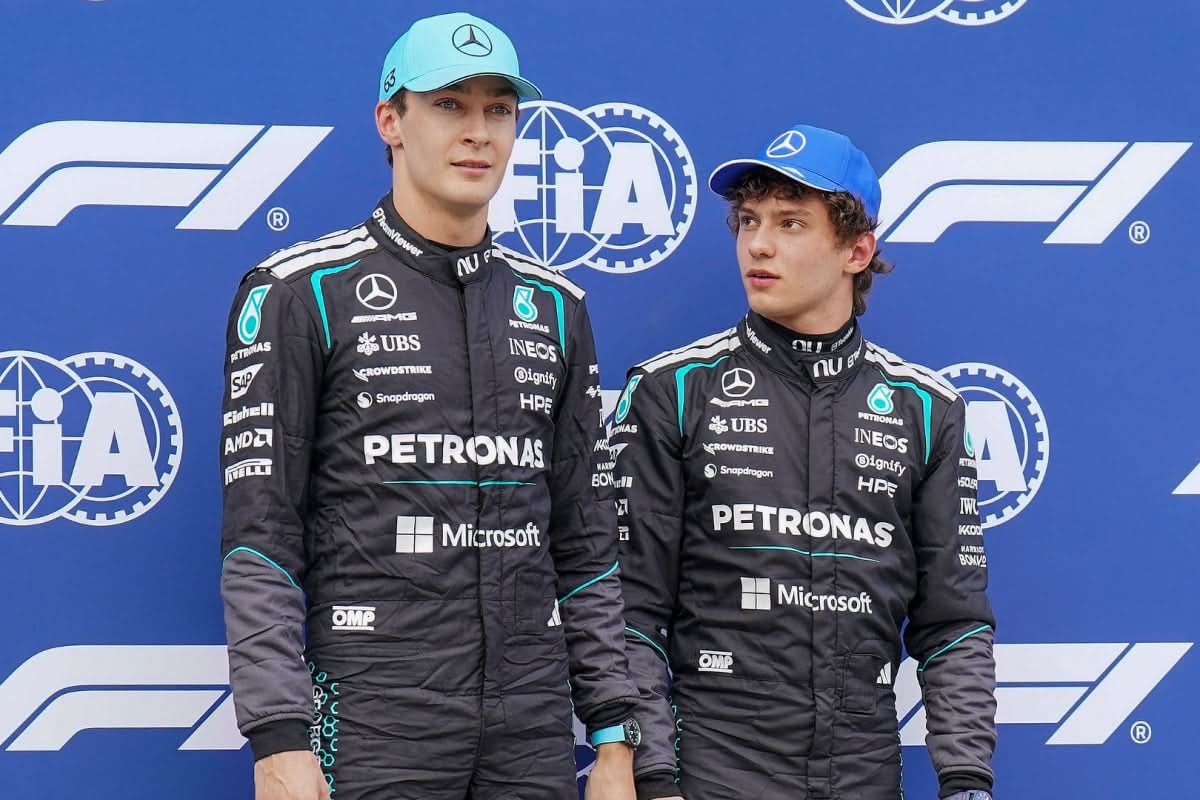

In a dramatic twist following the conclusion of the Formula 1 Spanish Grand Prix in Barcelona, the FIA (Formula 1’s governing body) confirmed a late penalty against a Mercedes driver, adding yet another layer of controversy to an already eventful race weekend. The decision came after the chequered flag had fallen, reinforcing the ongoing scrutiny surrounding race regulations, stewarding consistency, and post-race adjudications in modern Formula 1.
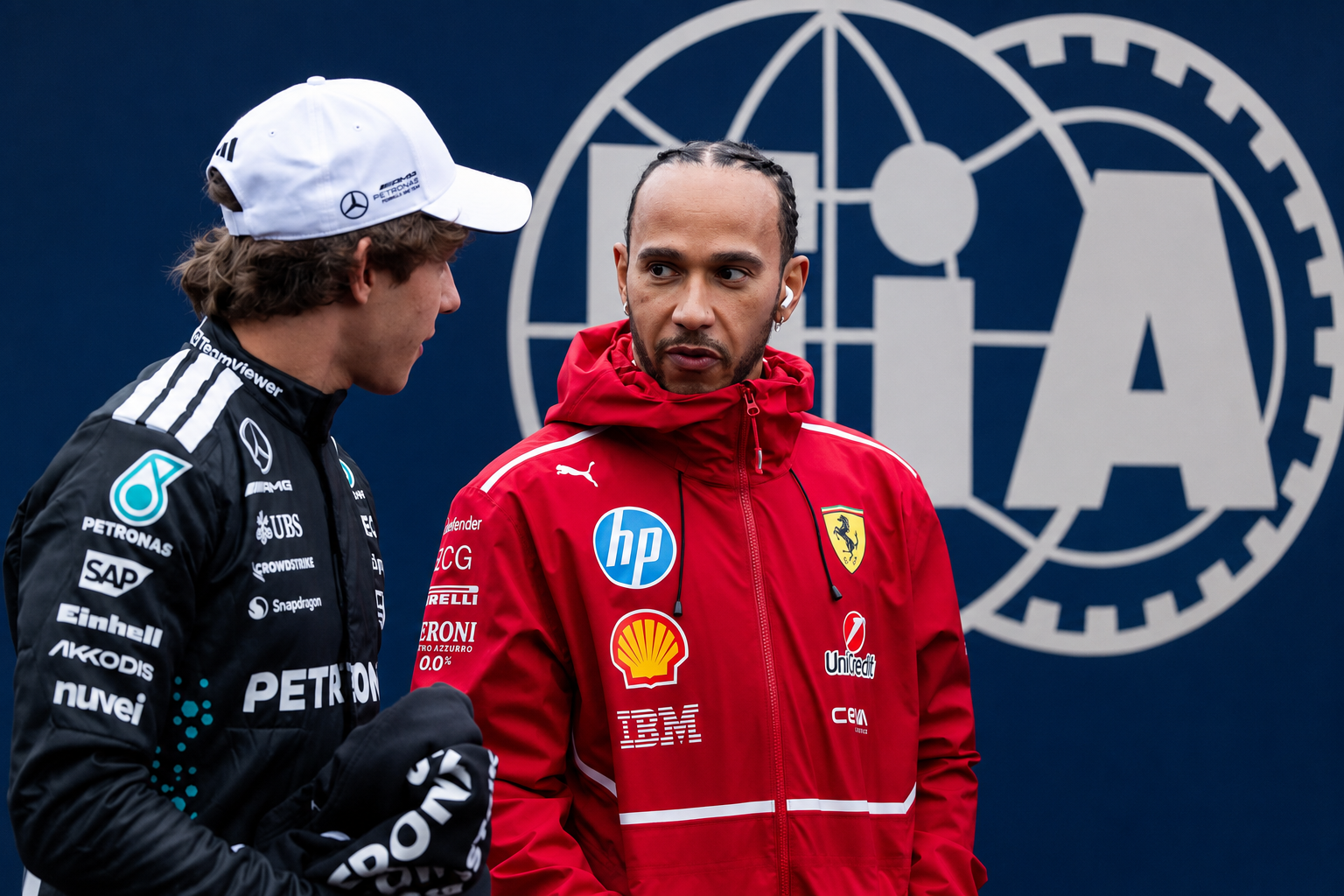
The Barcelona-Catalunya Grand Prix itself had already delivered significant headlines even before the FIA’s announcement. One of the standout moments was Lewis Hamilton’s remarkable victory, which marked his first win with Ferrari and an astonishing 106th career triumph. Hamilton’s performance was dominant, finishing nearly 20 seconds ahead of his closest challenger and sending a strong signal to the rest of the grid that he remains a serious title contender despite his team switch.
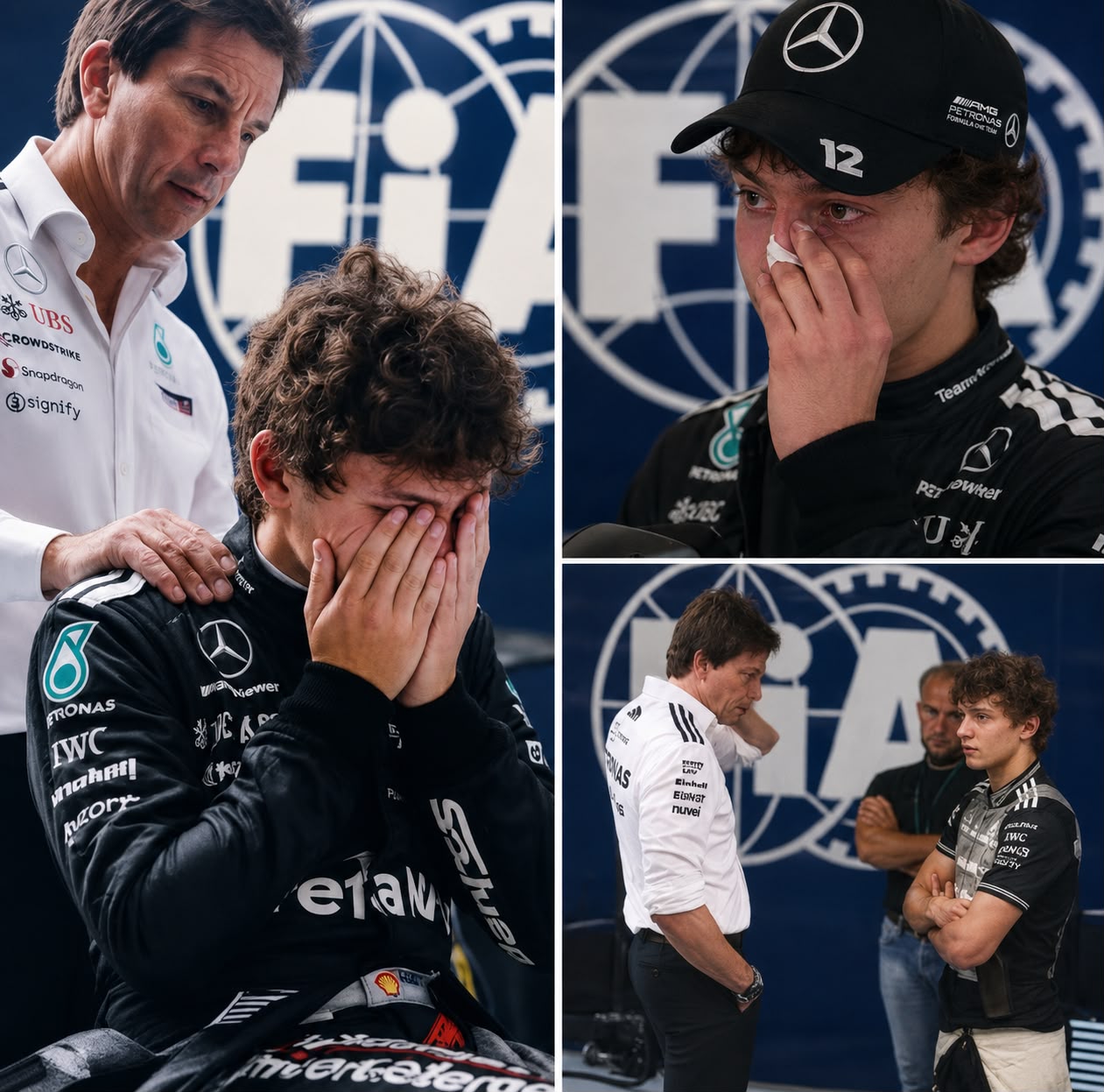
However, the spotlight soon shifted away from Hamilton’s success and onto Mercedes, particularly their young star Kimi Antonelli. The Italian driver, who has been enjoying a breakthrough season and entered the weekend as the championship leader, endured a frustrating and ultimately disappointing race. Despite showing competitive pace and battling near the front for much of the event, Antonelli’s race ended prematurely due to a mechanical issue. An engine failure forced him to retire late in the race, denying him the chance to score valuable championship points.
While retirement alone would have been enough to dampen Antonelli’s weekend, the situation became even more complicated after the FIA conducted a post-race review. Following an analysis of race footage and telemetry data, the stewards determined that Antonelli had exceeded track limits on multiple occasions during the race. Specifically, it was found that he left the track four times without a valid reason, thereby breaching the sport’s driving standards guidelines.
As a result of these infringements, the FIA imposed a five-second time penalty on the Mercedes driver. Normally, such a penalty could have serious consequences on a driver’s finishing position, potentially costing them places in the final classification. However, in Antonelli’s case, the penalty had limited immediate impact due to his retirement from the race. Since he did not complete the full distance and was already out of contention for points, the time penalty did not alter his race result in any meaningful way.
Importantly, the FIA clarified that the penalty would not carry over into a grid penalty for the next race. Because Antonelli had completed more than 90 percent of the race distance before retiring, the rules prevented the time penalty from being converted into a future sanction. This decision provided some relief to both the driver and the Mercedes team, who might otherwise have faced further setbacks heading into the next round of the championship.
Despite this, the situation raised fresh questions about the consistency and clarity of Formula 1’s track limits enforcement. In their official statement, the FIA acknowledged that there had been some ambiguity in how the rules were applied during the race. Notably, Antonelli did not receive a warning flag at the expected stage—after his third infringement—but instead only after a fourth violation had already occurred. This discrepancy was attributed to the delayed detection of one of the earlier infractions.
The governing body admitted that this sequence of events could create confusion for drivers, as they rely on timely warnings to adjust their behavior during a race. Consequently, the stewards recommended that the FIA review its procedures and guidelines regarding track limits enforcement to ensure greater consistency and transparency in the future.
Further insights revealed that Antonelli’s track limits issues were not entirely unnoticed during the race itself. Rival teams, including McLaren, had reportedly been monitoring his infringements closely and even alerted race officials to potential violations. This external input contributed to the eventual decision to impose a penalty after the race, highlighting the increasingly collaborative and competitive nature of race monitoring among teams.
Antonelli’s penalty was not the only disciplinary action taken following the Barcelona Grand Prix. Alpine driver Franco Colapinto also found himself penalized after failing to slow down under yellow flag conditions. The Argentine driver received a ten-second time penalty along with a penalty point on his super licence. This sanction had a more tangible effect on the race results, as it caused him to drop positions in the final standings, illustrating how post-race decisions can significantly reshape outcomes even after the race has concluded.
The broader context of these decisions adds to a growing narrative of controversy surrounding FIA rulings in recent races. The governing body has faced criticism from teams and fans alike over perceived inconsistencies, particularly when penalties are issued or revised after races. Such decisions can create uncertainty and frustration, as competitors are left unsure about final results until well after the event has ended.
In the case of Antonelli, while the penalty itself may not have altered his immediate fortunes, it nonetheless represents a setback in his championship campaign. Having already lost the opportunity to score points due to his retirement, the additional penalty underscores the challenges he faced during the race weekend. It also serves as a reminder of how fine the margins are in Formula 1, where even minor infractions can lead to consequences.
For Mercedes, the weekend in Barcelona was a mixed experience. On one hand, they demonstrated strong pace and competitiveness, with both drivers involved in key battles near the front of the field. On the other hand, mechanical reliability issues and regulatory penalties combined to undermine their overall result. As the team looks ahead to the next race, they will need to address both performance and procedural aspects to maintain their position in the championship fight.
Ultimately, the FIA’s late penalty announcement highlights the complexities of modern Formula 1 officiating. With advanced data analysis, multiple camera angles, and input from teams, stewards have more tools than ever to assess incidents—but this also increases the likelihood of post-race interventions. While such measures are intended to ensure fairness and accuracy, they also raise important questions about timing, communication, and the overall spectator experience.
As the season progresses, all eyes will remain on how the FIA handles similar situations in the future. For drivers like Antonelli, consistency in rule enforcement will be crucial, not only for fairness but also for maintaining confidence in the system. Meanwhile, teams will continue to push the limits—both on track and within the regulations—knowing that every decision, whether made during or after a race, can have significant implications for the championship.