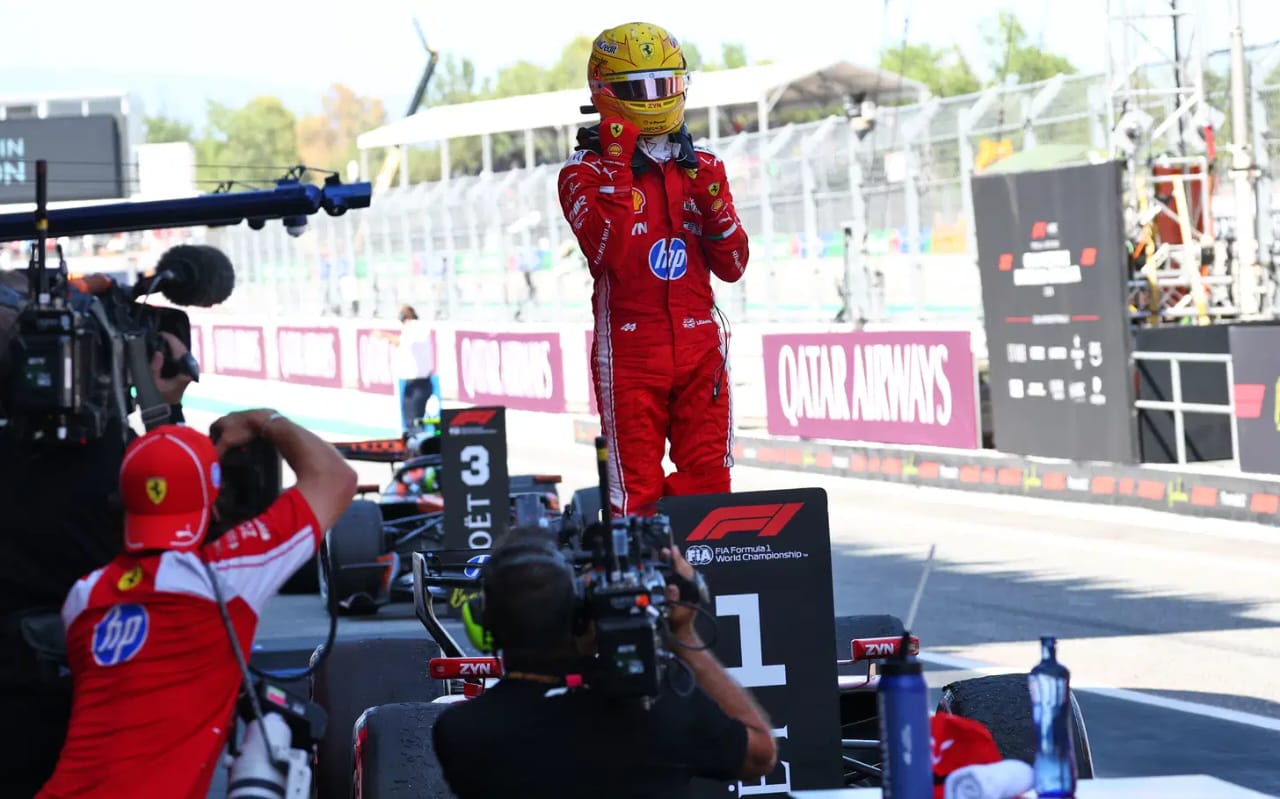

The final classification of the 2026 Formula 1 Spanish Grand Prix in Barcelona underwent notable revisions after the FIA confirmed a series of late penalties, once again highlighting how post-race decisions can significantly reshape the official outcome of a race long after the chequered flag has fallen. What initially appeared to be a straightforward result—headlined by Lewis Hamilton’s landmark victory—was later adjusted as stewards reviewed incidents and applied sanctions that altered parts of the finishing order.
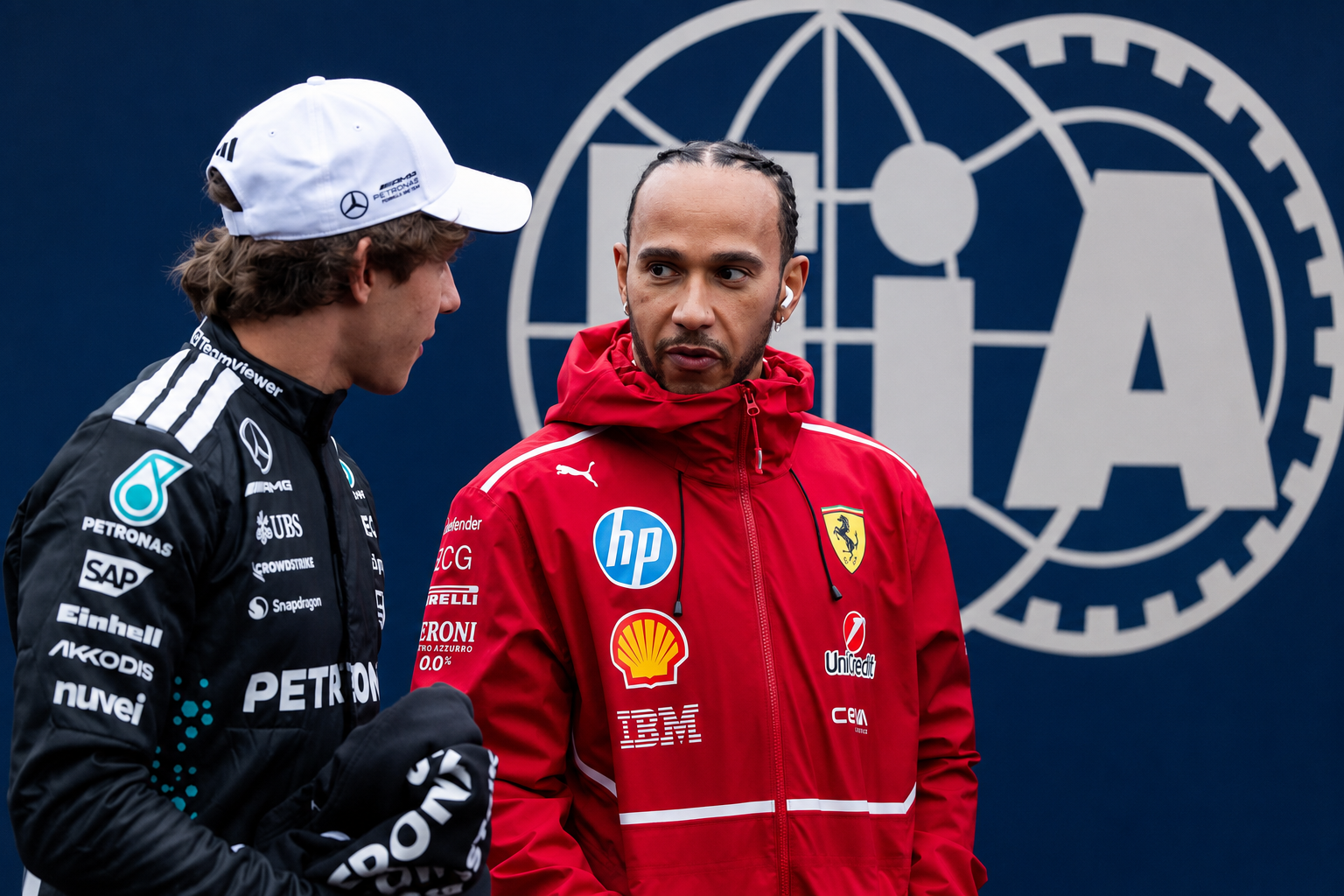
At the heart of the race itself was a historic moment for Hamilton. The Ferrari driver delivered a commanding performance at the Circuit de Barcelona-Catalunya, securing his first win with the Scuderia and adding yet another milestone to his already extraordinary career. It was a statement victory, achieved through a combination of strategic brilliance, tyre management, and racecraft, as Hamilton overcame early challenges to take control of the race and pull clear of his rivals.
Behind him, Mercedes’ George Russell crossed the line in second place, while McLaren’s Lando Norris completed the podium in third. The trio formed an all-British top three, underlining the strength of British drivers in the current Formula 1 era. However, even as celebrations unfolded, the race stewards were already reviewing multiple incidents that occurred throughout the Grand Prix, setting the stage for later amendments to the official standings.
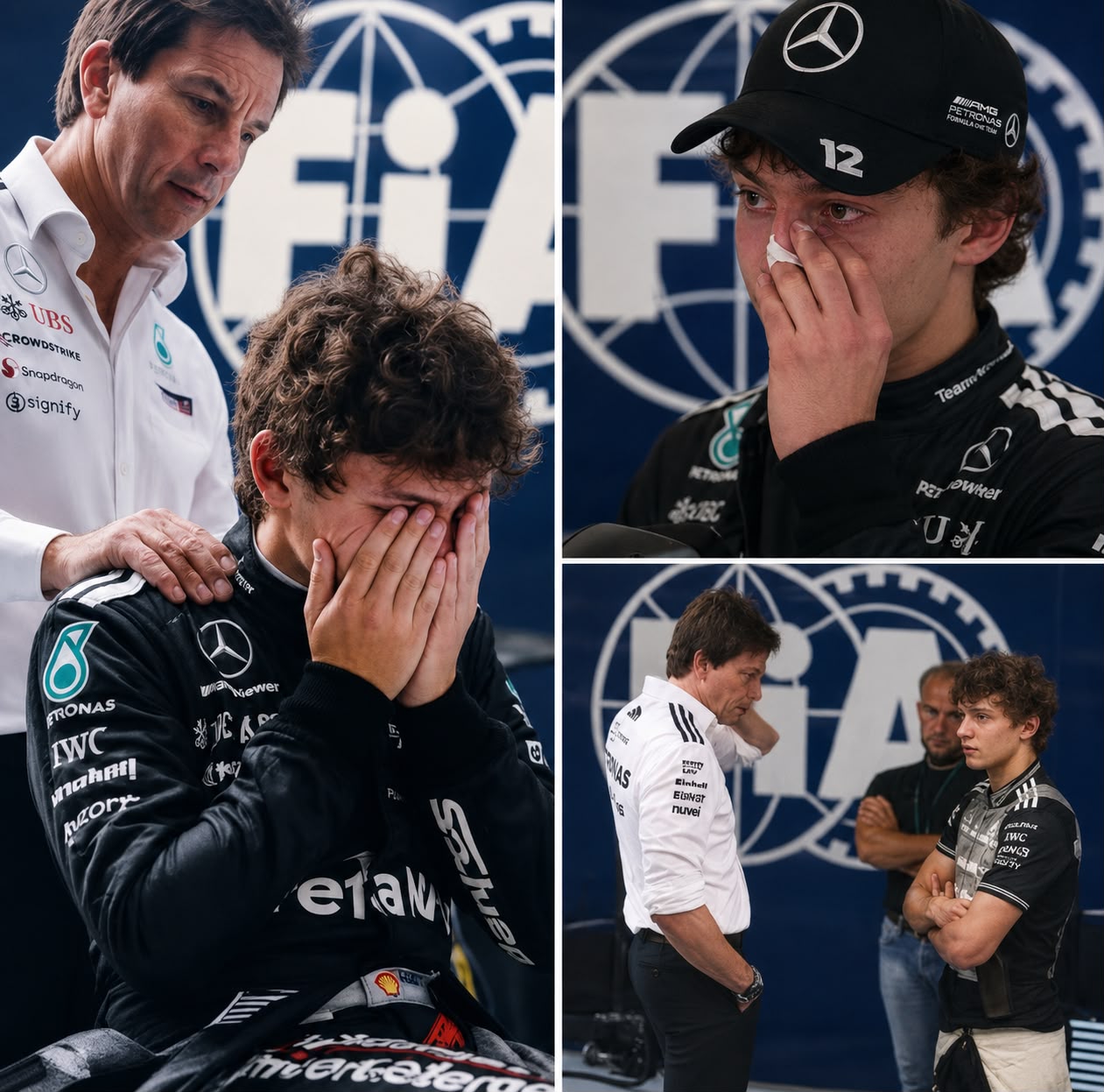
One of the most dramatic storylines of the race involved championship leader Kimi Antonelli. The young Mercedes star had been running strongly and was even battling near the front before disaster struck in the closing stages. With just a handful of laps remaining, Antonelli suffered a sudden mechanical failure, forcing him to retire from the race. His car came to a halt after what appeared to be an engine-related issue, ending what had been a promising run and costing him valuable championship points.
Although Antonelli’s retirement already removed him from the final classification battle for points, his race did not escape further scrutiny. Following post-race analysis, the FIA confirmed that the Italian had breached track limits regulations multiple times during the event. As a result, a time penalty was issued after the race had concluded. While this sanction did not directly affect his finishing position due to his retirement, it still formed part of the broader set of decisions that reshaped the official race report.
In addition to Antonelli’s situation, other drivers were also investigated for potential infractions. One of the most significant penalties applied after the race involved drivers who failed to adhere to yellow flag conditions or exceeded track limits during key phases of the Grand Prix. These types of violations are taken seriously by the FIA, as they relate to both safety and fairness. In some cases, drivers received time penalties that were added to their total race times, causing them to drop positions in the final standings.
These adjustments, while sometimes subtle, can have a meaningful impact on the distribution of championship points. Even a five- or ten-second penalty can be enough to shuffle positions in the midfield, where gaps between cars are often minimal. For teams and drivers fighting for every point, such changes can prove decisive over the course of a long season.
The revised classification following the Barcelona race therefore reflected not only on-track performance but also compliance with regulations. Drivers who had initially finished in certain positions found themselves moved down the order, while others benefitted from the penalties handed to their rivals. This dynamic underscores one of the unique aspects of modern Formula 1: the result is not always final until the stewards have completed their investigations and issued their rulings.
The FIA’s role in this process is both critical and increasingly scrutinized. With advanced telemetry, onboard footage, and input from teams, race officials have access to vast amounts of data when assessing incidents. However, this also means that decisions are sometimes made after the race, when all evidence has been carefully reviewed. While this approach aims to ensure accuracy and fairness, it can also lead to frustration among fans and teams who prefer immediate clarity on race outcomes.
In Barcelona, the late penalties reignited debates about consistency in stewarding. Questions were raised about why certain infractions were not addressed during the race itself, and whether drivers were given adequate warnings before penalties were imposed. For instance, track limits violations are typically communicated through warning flags, allowing drivers to adjust their behavior. When such warnings are delayed or missed, it can create confusion and controversy.
Despite these concerns, the FIA has maintained that post-race reviews are necessary to uphold the integrity of the sport. By carefully analyzing all available evidence, stewards aim to ensure that no infringement goes unpunished, even if it is only identified after the event has concluded. In this sense, the revised classification of the Spanish Grand Prix represents an effort to deliver a fair and accurate result, even if it comes at the cost of immediate certainty.
For Ferrari, the final outcome remained overwhelmingly positive. Hamilton’s victory was unaffected by the penalties, cementing a memorable weekend for the team. The result not only marked a breakthrough moment in Hamilton’s Ferrari career but also signaled a potential shift in the competitive balance of the 2026 season.
Mercedes, on the other hand, experienced a more mixed outcome. While Russell’s second-place finish stood as a strong result, Antonelli’s retirement and subsequent penalty added to the team’s frustrations. Meanwhile, McLaren benefited from a solid podium finish for Norris, further strengthening their position in the championship standings.
Ultimately, the 2026 Barcelona Grand Prix serves as a clear example of how Formula 1 races can continue to evolve even after they have officially ended. The combination of on-track drama and post-race adjudication creates a complex narrative, where the final classification is shaped by both performance and regulation.
As the season progresses, teams and drivers will undoubtedly pay even closer attention to the rules, knowing that every detail matters. Whether it is track limits, yellow flag compliance, or other technical regulations, the margin for error remains incredibly small. In such a competitive environment, even minor infractions can carry significant consequences.
The events in Barcelona also reinforce the importance of transparency and communication between the FIA, teams, and fans. As Formula 1 continues to grow globally, ensuring that decisions are clearly explained and consistently applied will be crucial in maintaining trust in the sport.
In the end, while Hamilton’s victory remains the defining headline, the revised final classification tells a deeper story—one of precision, regulation, and the ever-present influence of stewarding decisions in shaping the outcome of modern Formula 1 racing.