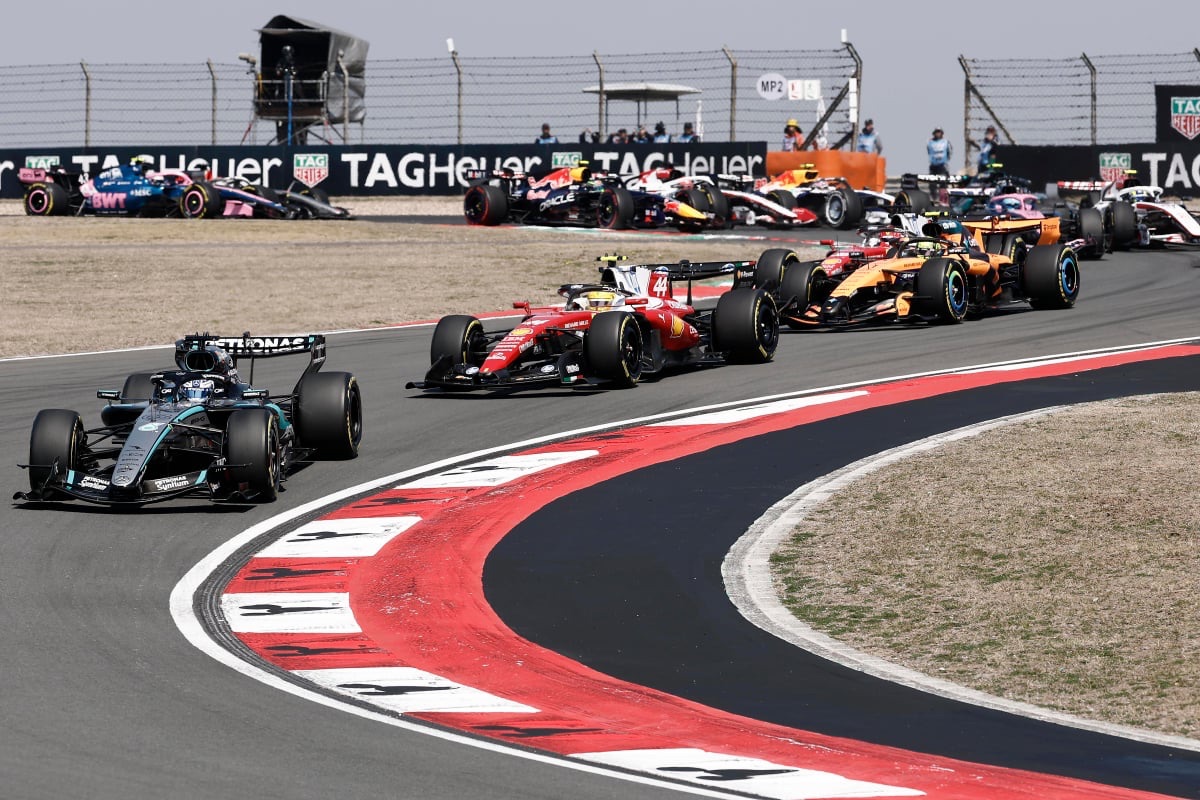
The FIA has confirmed a notable adjustment to the schedule for the upcoming Miami Grand Prix, following a series of race cancellations that disrupted the early part of the 2026 Formula 1 season. With the calendar already under pressure, the governing body has opted to extend Friday’s opening practice session in a move aimed at helping teams regain momentum after an unusually long break.
The decision comes after both the Bahrain and Saudi Arabian Grands Prix were called off due to ongoing geopolitical tensions in the Middle East. As a result, the championship has experienced a five-week gap since the last race in Japan — a significant interruption in what is typically a tightly packed schedule. With no replacement races added to fill the void, teams have been left without valuable track time during a critical phase of the season.
To address this, the FIA has increased the duration of the first free practice session at the Miami International Autodrome from the standard 60 minutes to 90 minutes. The session, scheduled for Friday, May 1, will now run from 12:00 to 13:30 local time. In addition, all track activities scheduled prior to FP1 have been moved forward by 30 minutes to accommodate the change.
This adjustment is not simply a response to the calendar disruption. It also reflects the unique challenges posed by the Miami weekend format, which includes a sprint race. Under sprint conditions, teams are typically limited to just a single practice session before competitive running begins, leaving minimal time to fine-tune setups. By extending FP1, the FIA aims to offset this limitation and provide teams with a more realistic opportunity to prepare.
In an official statement, the FIA explained that the decision was influenced by three primary factors: the extended gap since the last race, the introduction of recent technical and regulatory updates, and the reduced practice time inherent in sprint weekends. Taken together, these elements created a scenario where the usual one-hour session was deemed insufficient.
The technical changes referenced by the FIA are particularly significant. Earlier in April, the governing body introduced refinements to the 2026 power unit regulations after analyzing data from the opening races of the season. These updates include a reduction in maximum energy recovery during qualifying sessions and an increase in peak electric power output. The latter allows drivers to sustain full throttle for longer periods, particularly on straights, fundamentally altering car behavior and performance characteristics.
Such changes require extensive recalibration by teams, especially in areas like energy deployment strategies and software mapping. Engineers must carefully balance power delivery, battery usage, and overall efficiency — tasks that demand meaningful track time to perfect. With only a standard one-hour session available under normal sprint weekend rules, teams would have struggled to adapt effectively.
By extending the practice session to 90 minutes, the FIA is effectively giving teams a buffer to work through these complexities. It also allows drivers additional time to reacclimatize after the long layoff, reducing the likelihood of errors and improving overall safety heading into a competitive weekend.
While this is described as a one-off adjustment rather than a permanent rule change, it highlights the flexibility required to manage a modern Formula 1 season. External disruptions, evolving technical regulations, and varying race formats all contribute to an increasingly complex scheduling landscape.
Ultimately, the move is a pragmatic response to an unusual set of circumstances. With the championship resuming in Miami after weeks of inactivity, the extended session should help ensure that both teams and drivers are better prepared — maintaining the high standards expected in Formula 1 while adapting to the realities of a disrupted season.