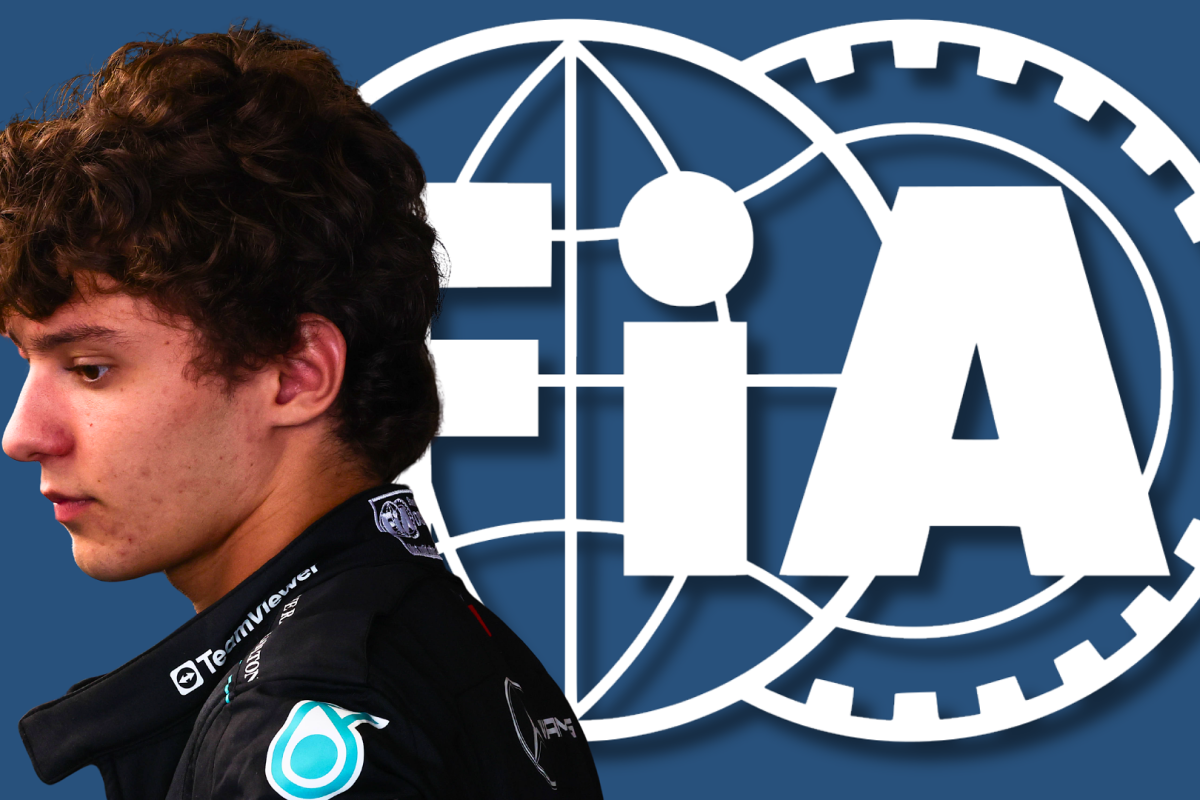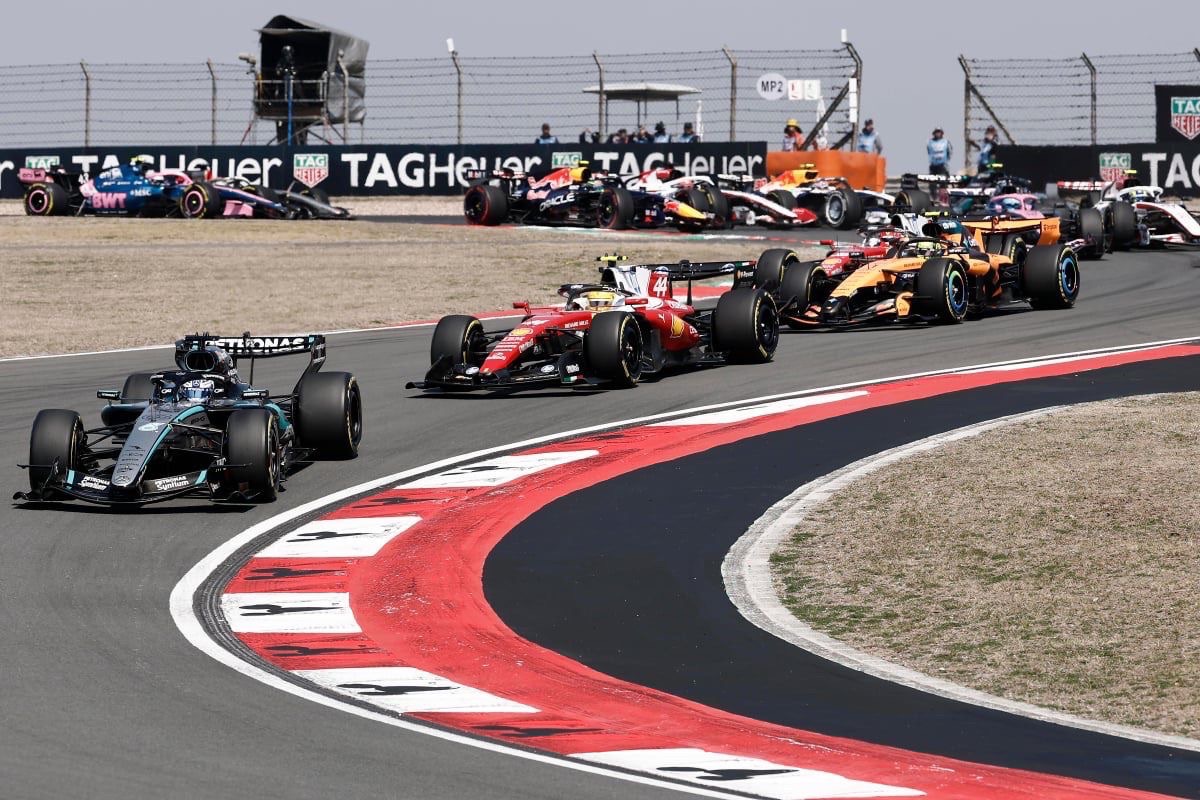
Formula 1 has confirmed an important adjustment to the schedule for the 2026 Miami Grand Prix weekend, with the FIA extending the only practice session of the sprint event. The decision comes as the sport prepares to return to action after an unusually long break and follows a series of recent regulatory and technical updates that teams must quickly adapt to before competitive running begins.
Under the revised timetable, Free Practice 1 on Friday will now last 90 minutes instead of the standard 60. The session, originally scheduled for one hour, has been expanded by an additional half-hour to give teams and drivers more time on track. This change is especially significant because the Miami weekend uses the sprint format, which traditionally allows only one practice session before parc fermé conditions come into effect and competitive sessions begin.
The FIA explained that the extension was agreed after consultations with all relevant stakeholders, including Formula 1, the teams, and other sporting authorities. The governing body recognized that the circumstances surrounding this race weekend are far from ordinary. With the Bahrain and Saudi Arabian Grands Prix cancelled earlier in the season, teams have faced a lengthy gap since the last race. That interruption has denied them valuable track time, making Miami a crucial opportunity to regain momentum.
In addition to the break in racing, teams must also adapt to several new technical and sporting regulation changes that will debut in Miami. These revisions were introduced in response to issues identified during the opening rounds of the 2026 season. Drivers and teams had raised concerns about the behavior of the new-generation cars, particularly regarding energy deployment, battery management, and the significant speed differentials that could arise between cars operating under different power modes.
One major area of focus has been the phenomenon known as “superclipping,” where cars can simultaneously deploy and harvest electrical energy in ways that affect both performance and safety. This issue became a hot topic after incidents earlier in the season highlighted the potential risks of large speed differences between cars on track. The FIA has therefore implemented refinements designed to create more consistent power delivery, improve drivability, and enhance safety in both qualifying and race conditions.
These regulatory tweaks are expected to have a substantial impact on car behavior, setup priorities, and race strategy. Naturally, teams will need additional time to understand how their cars respond under the updated rules. By extending the sole practice session, the FIA is providing them with a better chance to collect data, fine-tune setups, and ensure drivers are comfortable before sprint qualifying begins later on Friday.
The adjustment also acknowledges the unique pressures of a sprint weekend. Unlike a conventional Grand Prix weekend, where teams have three practice sessions to optimize performance, sprint events compress the schedule dramatically. After the first practice session, cars enter parc fermé conditions, limiting the extent of setup changes that can be made. That means every minute of initial running becomes incredibly valuable.
For engineers, the extra 30 minutes will allow more extensive testing of aerodynamic packages, suspension settings, tire behavior, and power unit calibration under the revised regulations. For drivers, it offers a vital opportunity to familiarize themselves with the track conditions and adapt to any changes in car handling before competitive sessions commence.
The Miami International Autodrome presents its own unique challenges. Its combination of long straights, technical corners, and variable grip levels already makes it one of the more demanding circuits on the calendar. Adding significant rule changes into the mix only increases the complexity. Teams will need to strike a delicate balance between outright speed, tire management, and energy deployment.
The extension could also play a major role in shaping the competitive order for the weekend. With several teams expected to introduce substantial upgrade packages in Miami, additional practice time may prove invaluable. McLaren, Ferrari, Red Bull, and Mercedes are all believed to be bringing updates, making the opening session even more critical as teams seek to evaluate their new components.
Mercedes, in particular, will be looking to maintain their impressive early-season form. The Silver Arrows have started 2026 strongly, with young sensation Kimi Antonelli emerging as a championship contender. Meanwhile, rivals such as Max Verstappen and Lando Norris will hope the extra practice time helps them close the gap.
The revised Friday schedule means all support sessions scheduled before FP1 will also be moved forward by 30 minutes. However, the remainder of the race weekend will proceed according to the original timetable. Sprint qualifying will still take place on Friday evening, followed by the sprint race and Grand Prix qualifying on Saturday. The main race remains scheduled for Sunday.
This measured change reflects the FIA’s willingness to adapt when circumstances require it. Rather than forcing teams into a tightly constrained sprint format immediately after a long hiatus and amid substantial rule revisions, the governing body has opted for a practical solution that prioritizes preparation, competition, and safety.
It also demonstrates Formula 1’s increasingly collaborative approach to regulation. By consulting with teams and responding to their concerns, the FIA has shown flexibility in ensuring the sport remains both competitive and safe. That balance is especially important in a season already marked by disruption and rapid technical evolution.
For fans, the extended practice session offers an added bonus: more on-track action to enjoy on Friday. It will provide an early glimpse into how teams have developed their cars during the break, how the new regulations affect performance, and which teams have adapted most effectively.
Ultimately, the Miami Grand Prix now takes on even greater significance. It serves not only as Formula 1’s return after an enforced pause but also as the first real test of the latest regulatory adjustments. The additional practice time should help teams navigate this transition while ensuring the weekend begins on the strongest possible footing.
With fresh upgrades, revised rules, and a tightly packed sprint schedule, Miami promises to be one of the most fascinating weekends of the season. The FIA’s decision to extend practice may seem like a small change on paper, but it could have a major impact on how the weekend unfolds—and perhaps even on the trajectory of the 2026 championship itself.