Following the FIA’s post-race review of the Canadian Grand Prix weekend, multiple competitors found themselves facing disciplinary action as officials concluded several investigations into incidents that occurred before, during, and after the race. The governing body handed down a combination of penalties, reprimands, suspended sanctions, and financial fines after determining that a number of sporting and procedural regulations had been breached throughout the event.
One of the most notable cases involved Audi driver Nico Hulkenberg, who became the subject of scrutiny following an unusual incident during the formation laps ahead of the race start in Montreal. The Canadian Grand Prix experienced a delayed start procedure, resulting in multiple formation laps before the field finally took the green flag. During the final formation lap, Hulkenberg was unable to accelerate away from his grid position as expected, allowing another driver to move ahead and temporarily disrupt the running order.
According to FIA officials, the pair remained in the incorrect sequence while approaching the first Safety Car line, a section of the circuit where drivers are required to be in their designated positions. Under normal Formula One regulations, failing to regain the correct order before crossing that point would typically result in a mandatory stop-and-go penalty, one of the sport’s most severe sporting punishments.
However, after examining video footage, timing information, radio communications and testimony from those involved, the stewards concluded that imposing the standard punishment would have been disproportionate. They noted that the unusual circumstances surrounding the delayed start and the minimal impact on the race justified a more measured approach. As a result, Hulkenberg escaped an immediate race penalty but received a suspended stop-and-go sanction together with an official reprimand. The suspended penalty will remain hanging over him for the rest of the season and could be activated if a similar infringement occurs again.
The FIA explained that although a technical breach of the regulations had occurred, there was no meaningful effect on the competitive order because both drivers ultimately started the race from their proper grid positions. Officials emphasized that the purpose of stewarding is not only to enforce regulations but also to ensure punishments remain proportionate to the severity and consequences of an offence.
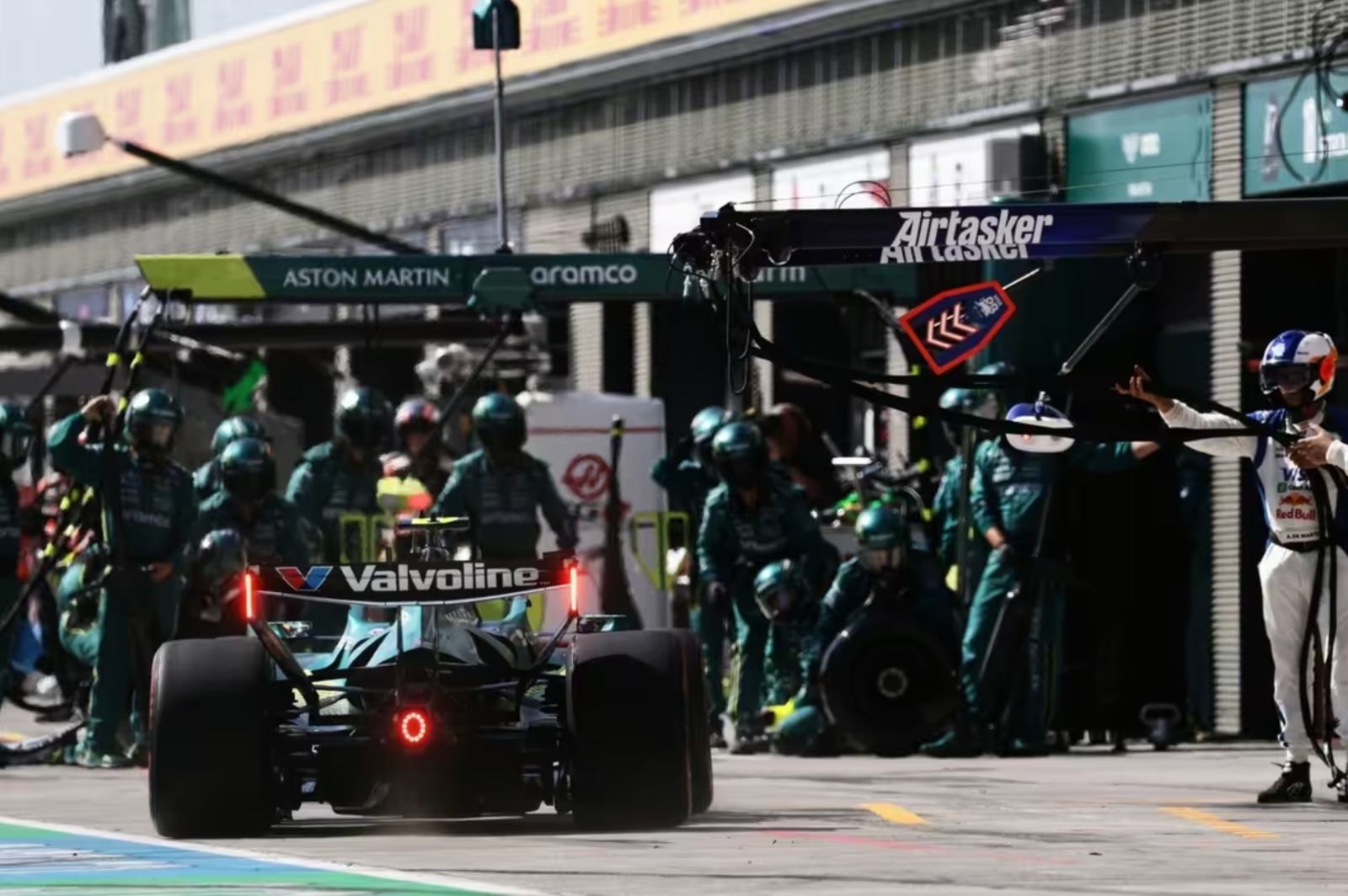
Elsewhere, race stewards were also busy examining incidents that unfolded during the Grand Prix itself. Cadillac driver Valtteri Bottas was penalized after exceeding the pit-lane speed limit by the smallest of margins. Data collected by FIA monitoring systems showed Bottas travelling at 80.1 km/h in an area where the limit was fixed at exactly 80 km/h. While the difference amounted to only one-tenth of a kilometre per hour, the regulations leave no room for interpretation once a speed violation is recorded. Consequently, Bottas received a five-second time penalty.
Although the sanction did not alter his final classification, the decision demonstrated the FIA’s commitment to applying technical regulations consistently. Officials stressed that pit-lane speed limits are enforced electronically and that even the smallest breach must be treated as a violation in order to preserve fairness and safety across the championship.
Another driver to receive punishment was Audi rookie Gabriel Bortoleto. During a Virtual Safety Car period, timing analysis revealed that Bortoleto failed to remain within the prescribed delta time required under FIA regulations. Drivers must maintain a specific pace during Virtual Safety Car deployments to ensure the field remains safely controlled. By falling outside the permitted parameters in several mini-sectors of the circuit, Bortoleto was deemed to have breached the rules and was handed a five-second penalty.
While neither Bottas nor Bortoleto saw their final finishing positions significantly affected, the decisions formed part of a broader FIA effort to reinforce compliance with operational regulations throughout race weekends. Officials have repeatedly stated that maintaining strict adherence to sporting procedures is essential for both competitive integrity and on-track safety.
The Canadian Grand Prix investigations did not end with race-performance matters. Mercedes driver George Russell also found himself summoned before the stewards following an emotional reaction to his retirement from the race. Russell had been involved in an intense battle at the front before suffering a mechanical failure that abruptly ended his challenge for victory. Frustrated by the setback, he threw part of his cockpit equipment from the car after stopping on track.
The FIA viewed the action as potentially unsafe because the discarded component landed within the circuit environment, creating a possible hazard. During the hearing, Russell reportedly acknowledged his mistake, expressed regret and apologized for his behaviour. The stewards accepted the apology but nevertheless imposed a €5,000 fine, suspended for twelve months. The punishment means the financial sanction will only become payable if a similar offence occurs within the designated period.
Beyond the driver-related sanctions, teams also faced scrutiny over procedural and technical matters throughout the Canadian Grand Prix weekend. Separate FIA rulings issued during the event saw organizations penalized for breaches involving operational requirements and safety systems. The governing body maintained that teams have a responsibility to ensure their cars comply fully with regulations at all times and warned that repeated failures could lead to harsher consequences in future events.
The collection of penalties, reprimands and suspended sanctions highlighted the extensive workload undertaken by FIA stewards during a modern Formula One race weekend. Every incident—whether involving race conduct, pit-lane procedures, formation-lap irregularities or post-retirement actions—is reviewed through a combination of video evidence, telemetry, team communications and witness testimony before a verdict is reached.
For the drivers involved, the consequences extend beyond the immediate race weekend. Reprimands accumulate throughout a season, suspended penalties remain active as warnings, and repeated breaches can trigger increasingly severe disciplinary measures. The Canadian Grand Prix therefore served as a reminder that success in Formula One depends not only on speed and performance but also on strict compliance with the sport’s detailed regulatory framework.
As the championship moves on to its next round, teams and drivers will be eager to avoid further encounters with the stewards. However, the FIA’s actions in Montreal demonstrated that even minor infractions can attract attention, and that officials remain determined to enforce the regulations consistently across every aspect of a Grand Prix weekend.