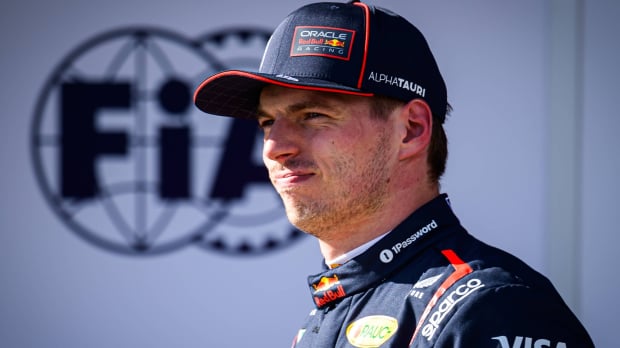
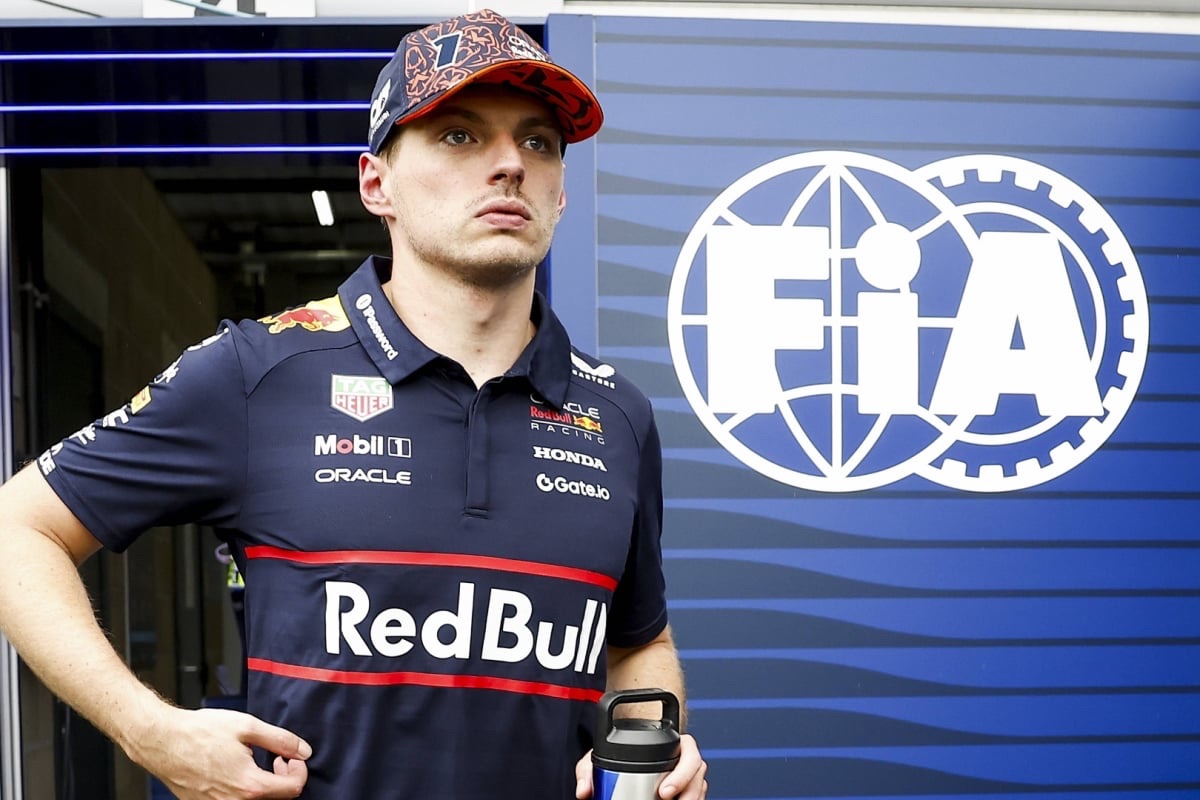
Four-time Formula 1 world champion Max Verstappen has once again voiced strong criticism of Formula 1’s controversial 2026 regulations, arguing that the sport is moving away from what made it exciting in the first place. The Dutch driver has become one of the most outspoken opponents of the current rules package, particularly the increased emphasis on electrical power and energy management, and his latest remarks have reignited debate throughout the paddock.
Since the introduction of the new generation of Formula 1 cars, Verstappen has repeatedly expressed frustration with the way races are unfolding. Under the 2026 regulations, power units rely heavily on a near-equal split between traditional combustion-engine power and electrical energy. The system was introduced as part of Formula 1’s effort to embrace sustainability and technological innovation while maintaining high performance. However, Verstappen believes the result has created a style of racing that is less natural and far less enjoyable for drivers.
Speaking about the current state of the sport, Verstappen suggested that many supporters who praise the new regulations fail to appreciate what genuine racing should look like. In his view, Formula 1 should reward drivers who can push their cars to the limit rather than those who excel at managing battery levels and energy deployment. According to the Red Bull star, modern races increasingly revolve around conserving electrical power, carefully calculating energy usage, and adapting driving techniques to satisfy the limitations of the regulations.
The reigning champion’s criticism stems largely from the extensive energy-management requirements introduced by the FIA. Drivers are now required to pay close attention to battery deployment throughout a lap, often lifting off the throttle earlier than they normally would and adjusting gear changes to maximize energy recovery. Verstappen has argued that such techniques feel artificial and detract from the pure racing experience that has traditionally defined Formula 1.
According to Verstappen, racing should be about extracting the maximum performance from a car through skill, bravery, and precision. Instead, he believes drivers are spending too much time monitoring systems and making compromises designed to preserve battery power. He has described aspects of the current regulations as “anti-racing,” insisting that the focus has shifted away from outright speed and driver talent.
The Dutchman’s frustration has become a recurring theme throughout the season. During pre-season testing and in the races that followed, he repeatedly highlighted concerns about how the cars behave under the new technical framework. While acknowledging that Formula 1 must continue evolving technologically, Verstappen has argued that the current balance between sustainability and sporting spectacle is not ideal. He believes the regulations have gone too far in prioritizing electrical efficiency at the expense of exciting wheel-to-wheel competition.
One of the biggest concerns raised by Verstappen involves the heavy reliance on electrical energy during racing situations. Because drivers must carefully manage battery reserves, there are occasions when competitors are unable to attack or defend at full pace. This has created unusual scenarios where race outcomes can depend more on available battery charge than on pure driving ability or vehicle performance. Verstappen believes such situations undermine the essence of Formula 1 competition.
His criticism has not gone unnoticed. Many figures within the sport have acknowledged that the regulations have produced challenges that were not fully anticipated before the season began. Teams, engineers, and governing officials have spent months evaluating possible solutions, while drivers have provided extensive feedback regarding the impact of the new rules. The FIA has already shown a willingness to consider adjustments aimed at improving the racing product and addressing some of the concerns raised by competitors.
In fact, discussions are already underway regarding future modifications to the power-unit formula. One proposal would alter the balance between combustion power and electrical power by shifting from the current 50-50 arrangement to a 60-40 split favoring the internal combustion engine. Verstappen has publicly welcomed the idea, arguing that it would reduce excessive energy management and allow drivers to race more naturally.
The possibility of future adjustments has slightly softened Verstappen’s stance. While he remains highly critical of the current regulations, he has praised Formula 1 leadership and FIA officials for listening to driver feedback and considering meaningful changes. He believes that constructive dialogue between stakeholders is essential if the sport is to maintain its appeal to both competitors and spectators.
Despite his criticism, Verstappen has continued to perform at an exceptionally high level. Even while adapting to a rule package he clearly dislikes, the Red Bull driver has remained among the leading contenders on the grid. His ability to compete at the front despite openly questioning the regulations has further strengthened his credibility when discussing technical issues affecting the sport. Many observers view his comments not as excuses for poor performance but as genuine concerns about Formula 1’s long-term direction.
The debate surrounding the regulations has divided opinion among fans. Some supporters appreciate Formula 1’s commitment to sustainability and technological innovation, viewing the electrical emphasis as a necessary step toward the future. Others agree with Verstappen’s assessment, arguing that the sport risks becoming overly complicated and detached from traditional racing principles. The disagreement highlights the challenge Formula 1 faces in balancing environmental goals with the expectations of drivers and long-time fans.
Verstappen has also hinted that the sport’s future direction could influence his own career decisions. Earlier in the season, he suggested that continuing under regulations he considers fundamentally flawed would be difficult to accept in the long term. While he stopped short of making definitive retirement threats, he made it clear that the quality of racing remains a major factor in determining how long he intends to remain in Formula 1.
Nevertheless, recent developments appear to have given him reason for optimism. The FIA’s willingness to revisit key aspects of the regulations and explore changes for future seasons has convinced Verstappen that progress is possible. He has acknowledged that the governing body is moving in a more positive direction and has expressed appreciation for the fact that driver concerns are being taken seriously.
As Formula 1 continues evaluating the effectiveness of its latest rule package, Verstappen’s comments ensure the discussion remains at the forefront of the sport. Whether one agrees with his perspective or not, the Dutch champion has become the leading voice in a debate that could shape the future of Formula 1. His central argument remains unchanged: racing should prioritize speed, skill, and competition rather than forcing drivers to spend much of their time managing energy systems. For Verstappen, the true spirit of Formula 1 lies in pushing to the limit—and he believes the regulations should encourage exactly that.