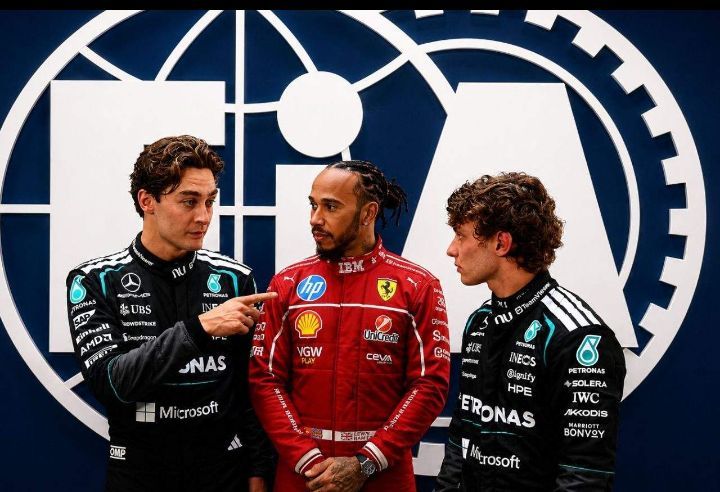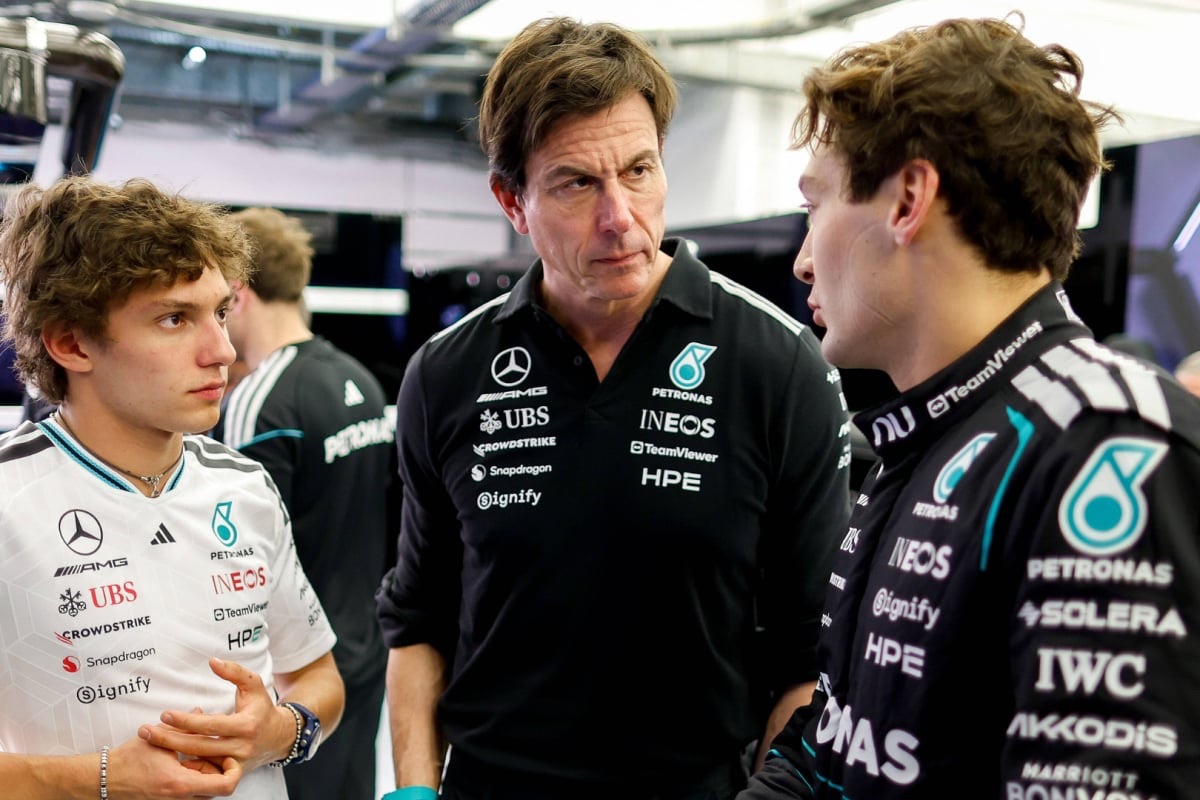
Mercedes head to the Miami Grand Prix with a dilemma most Formula 1 teams would envy.
They have the quickest car on the grid, a comfortable lead in the constructors’ standings, and both drivers occupying first and second in the drivers’ championship. The twist? Few expected Kimi Antonelli to be the one out front.
George Russell started 2026 as the clear favorite for the title. But just three races into the season, the 18-year-old rookie in the other Mercedes has completely shifted the narrative.
Mercedes Title Fight Picks Up in Miami
Antonelli arrives in Miami leading the drivers’ championship with 72 points, while Russell sits second on 63. The Italian has taken victory in the last two grands prix, with Russell winning the season opener in Australia.
For Mercedes, the situation is ideal on paper. The team leads the constructors’ championship by 45 points after the first three rounds. Yet inside the garage, the dynamics are beginning to change. Russell is far from in trouble, but he knows he can’t let Antonelli’s early momentum snowball. The enforced five-week break following the cancellations of Bahrain and Saudi Arabia has only given that storyline more time to develop.
Why Miami Could Turn Up the Heat
Miami isn’t a standard race weekend. The sprint format means more points are available and more opportunities for things to go wrong. With just one practice session before sprint qualifying, both drivers have to be sharp immediately. A poor Friday could ruin Saturday’s sprint, and a qualifying mistake later that day would leave either driver on the back foot for Sunday’s main race.
That’s exactly the kind of scenario where small gaps between teammates become significant. If Antonelli outscores Russell again, what looked like an early surprise starts to feel like a genuine power shift. If Russell hits back, Mercedes gets the senior-driver statement they probably expected after his strong win in Australia.
The extra pressure comes from the format itself. Sprint weekends punish mistakes harder because there’s no time to recover. One scruffy lap in FP1 can lead to a bad sprint qualifying, which hurts your grid for the sprint, which then impacts Sunday. For two drivers fighting for the same title, every session matters.
Wolff Lays Down the Law Early
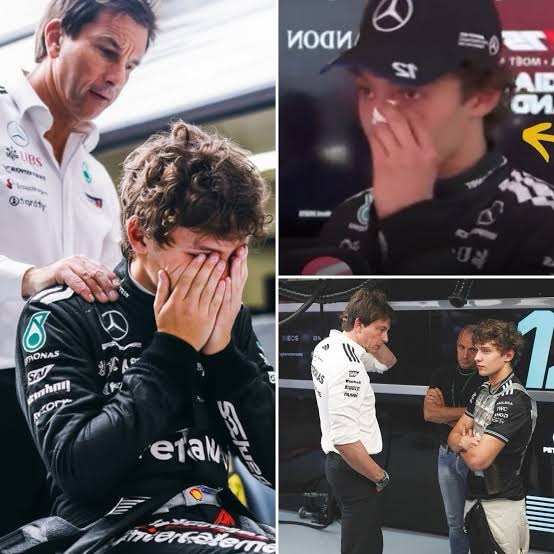
Toto Wolff has already sent a clear message: he won’t let either driver act like the championship revolves solely around them.
“The oddity in Formula 1 is that the two team-mates are also the biggest competitors,” Wolff said. “But ‘best handle’ means also letting them race and acknowledging the fact that they race. There are certain values that we stand for in the team. The team is always bigger than the drivers.”
He added: “And the moment a driver feels like this is all about him, that’s not the mindset that we would ever allow or accept in the team. And we’ve done that in the past. I would rather have only one car driving if that wasn’t clear.”
Mercedes knows firsthand how quickly an intra-team title fight can become destructive. The Lewis Hamilton and Nico Rosberg years brought championships, but also intense tension and fallouts behind the scenes. Wolff is determined not to let history repeat itself, even if both drivers are delivering results right now.
The team boss’s comments suggest clear rules of engagement are already in place. Racing is allowed, but the team comes first. With Antonelli’s form and Russell’s pedigree, managing that balance through 21 more races will be Wolff’s biggest challenge.
The Antonelli Factor
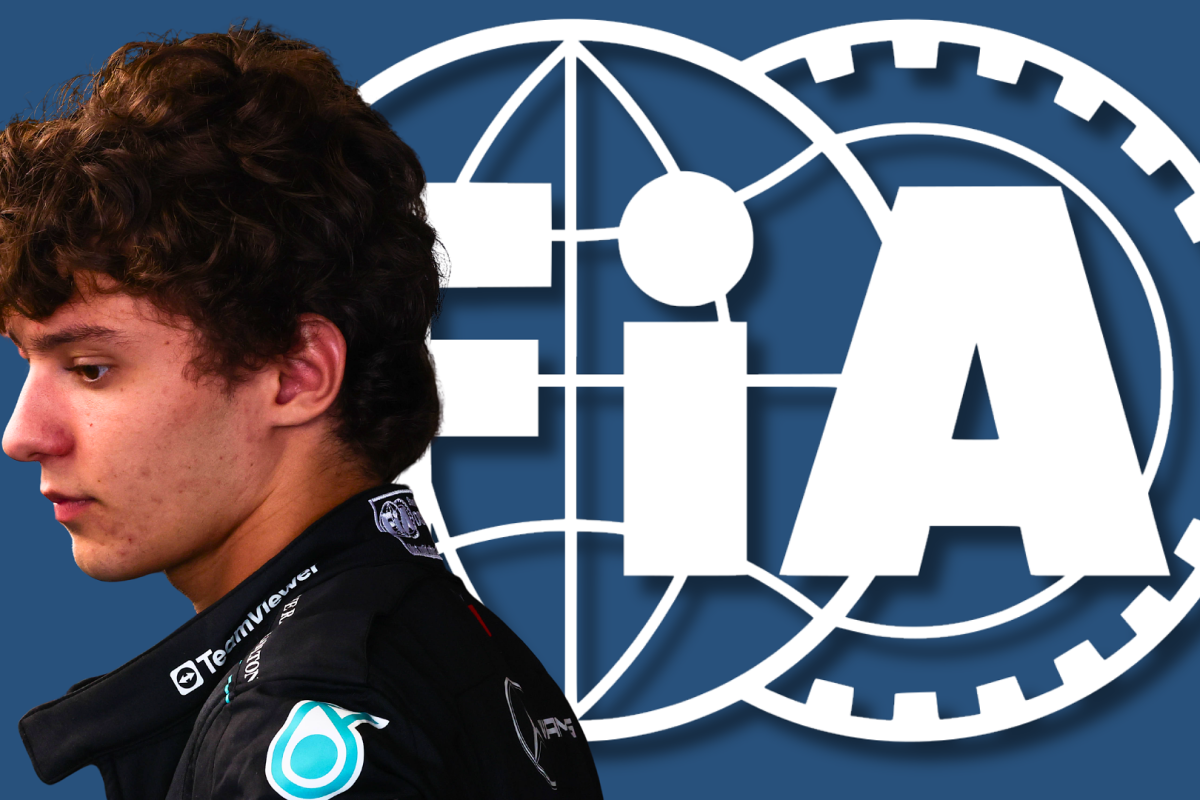
Nobody doubted Antonelli’s talent when Mercedes promoted him for 2026, but his immediate impact has still been stunning. Back-to-back wins before his 19th birthday have put him at the top of the standings and forced everyone to reassess expectations.
Russell, meanwhile, remains one of the most consistent drivers on the grid. His Australia win was controlled and dominant, and 63 points from three races is still a strong return. But being beaten by a rookie teammate in consecutive races changes the conversation. He now faces the rare position of having to respond to someone less experienced but currently faster.
The five-week gap since Japan has only intensified the focus. Without racing, the paddock narrative has centered on whether Antonelli is the real deal and how Russell reacts. Miami will provide the first answers.
When Is the Miami Grand Prix?
The Miami Grand Prix weekend runs to the sprint format, meaning action across all three days.
Friday
- FP1: 17:00 UK / 12:00 ET / 11:00 CT / 09:00 PT
- Sprint Qualifying: 21:30 UK / 16:30 ET / 15:00 CT / 13:30 PT
Saturday
- Sprint Race: 17:00 UK / 12:00 ET / 11:00 CT / 09:00 PT
- Qualifying: 21:00 UK / 16:00 ET / 15:00 CT / 13:00 PT
Sunday
- Race: 21:00 UK / 16:00 ET / 15:00 CT / 13:00 PT
With the FIA extending FP1 to 90 minutes for this event, both drivers will have a bit more time to dial in. But once sprint qualifying starts on Friday night, the pressure is on.
Mercedes has the car, the points, and the pace. What they don’t have yet is clarity on which driver will lead their title charge. Miami could be the weekend that defines whether this becomes a smooth run to the championship, or the start of another famous Mercedes teammate rivalry.
For now, it’s the problem every team principal wants — two drivers fast enough to win the title. Wolff’s job is making sure it stays that way without blowing up in his face.