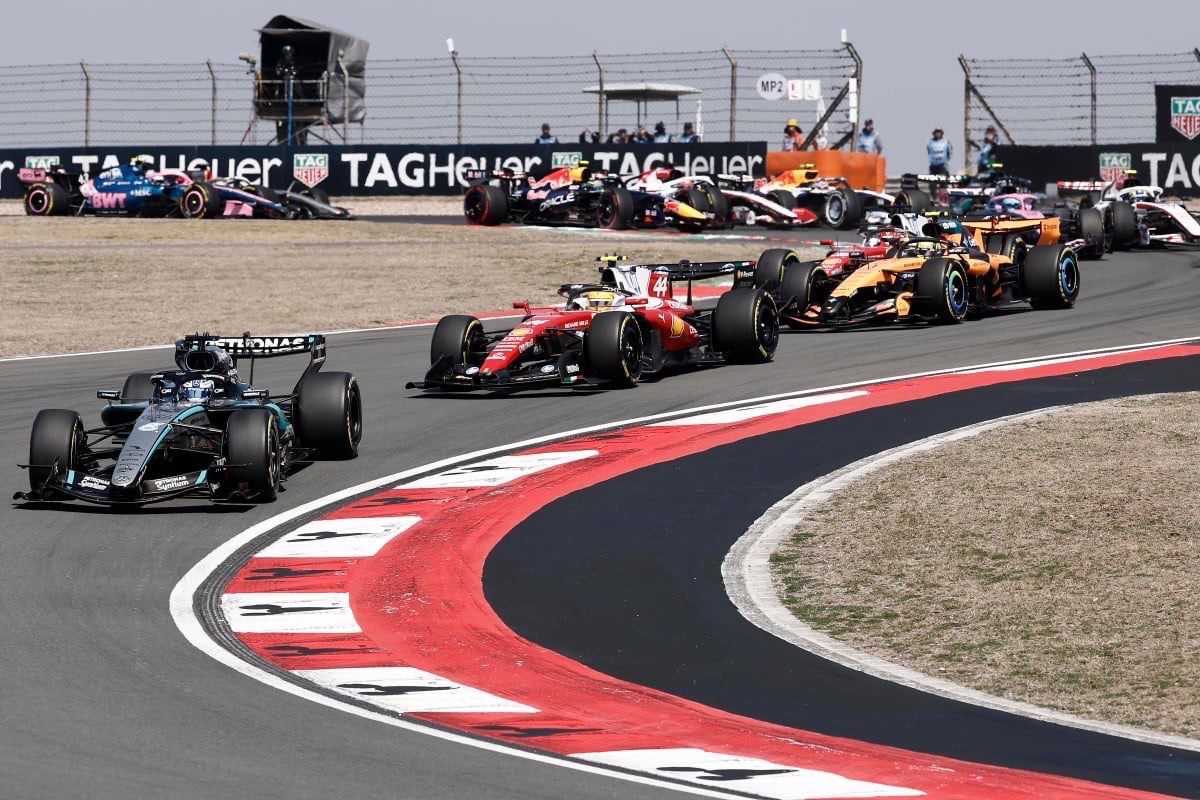
The 2026 Miami Grand Prix is shaping up to be a classic Florida affair: intense heat, heavy humidity, and the ever-present threat of thunderstorms. While Friday and Saturday are expected to provide ideal racing conditions, Sunday’s Grand Prix could be dramatically influenced by unsettled weather, with showers and thunderstorms likely to play a major role.
The opening two days of the race weekend should be excellent for Formula 1 action. Friday, which features the sole practice session and Sprint Qualifying, is expected to be hot and sunny, with air temperatures climbing to around 33°C. Track temperatures will be significantly higher, potentially exceeding 50°C. That will place immediate pressure on tyre management, especially as teams have only one extended practice session to fine-tune their setups before competitive action begins.
Saturday looks even hotter. Temperatures could reach 34°C, with plenty of sunshine and only a minimal chance of rain. These conditions should create a demanding environment for both drivers and machinery. Cockpit temperatures will soar, and tyre degradation is likely to become a critical factor during both the Sprint race and Grand Prix qualifying. Teams will need to carefully balance outright pace with tyre preservation, particularly over longer runs.
For the drivers, hydration and physical endurance will be absolutely essential. Miami’s combination of heat and humidity is among the toughest on the calendar. Even experienced drivers can lose significant fluids over a race weekend, and the physical strain of hustling these new-generation cars around the Miami International Autodrome will be immense. The 2026 cars are heavier and more complex, making the challenge even greater.
Sunday, however, is where things become far more unpredictable. While temperatures are expected to be slightly cooler—around 27°C to 28°C—the risk of rain rises sharply as the day progresses. Current forecasts indicate a meaningful chance of showers, with thunderstorms potentially developing during or around race time. Some forecasts suggest the possibility of heavy downpours and lightning, which could disrupt strategy or even delay proceedings if conditions become severe.
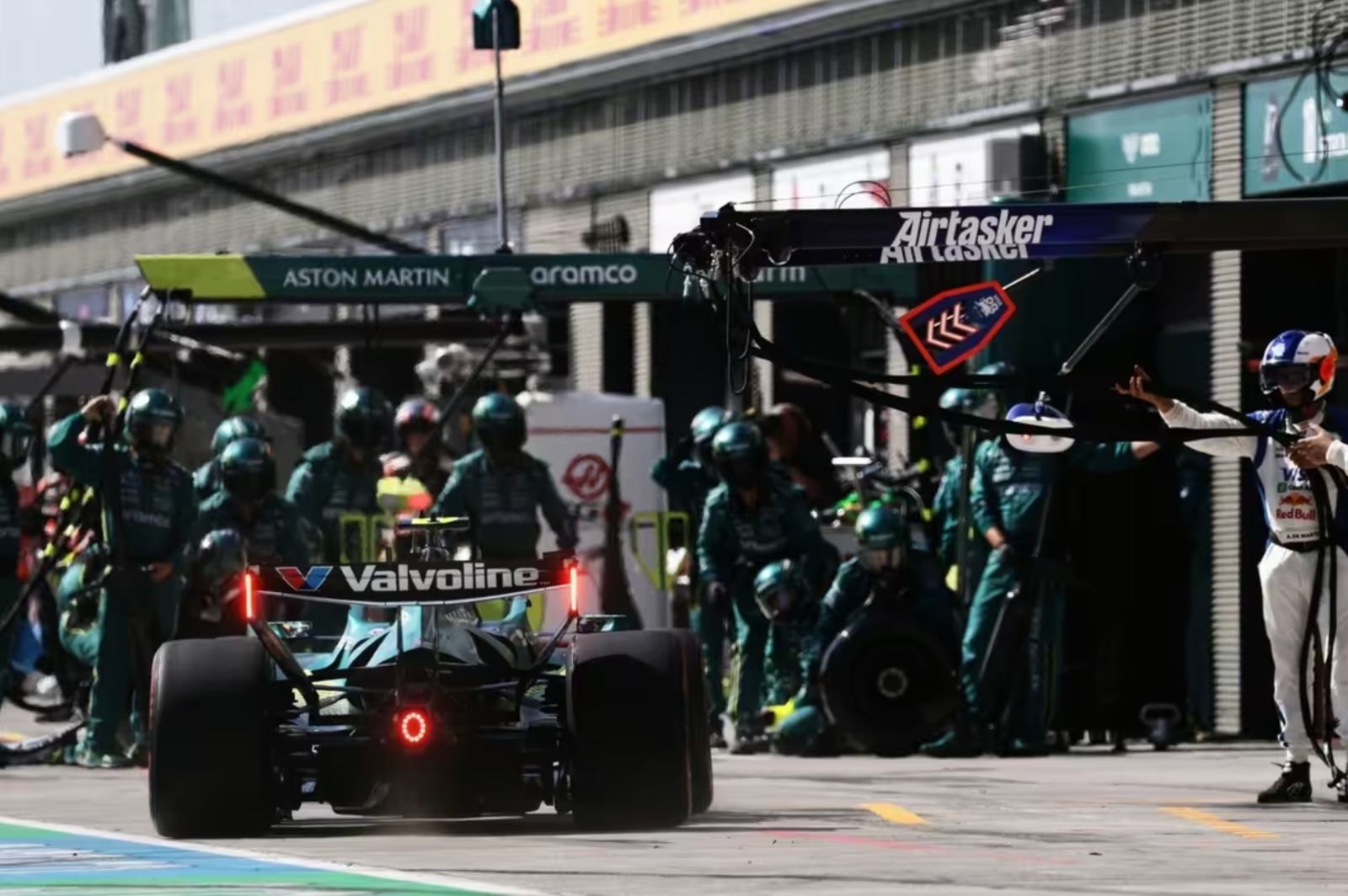
This creates a fascinating strategic challenge. Teams may have to prepare for a race that begins in dry conditions but evolves rapidly if storms move across the circuit. A sudden shower at Miami can transform the track within minutes, forcing teams into split-second decisions on tyre choice. The timing of any rain could prove decisive, especially if it arrives during a pit-stop window or while drivers are on different tyre strategies.
The Miami International Autodrome has already shown in previous years how weather can influence race outcomes. A well-timed safety car, a mistimed pit stop, or a gamble on intermediate tyres can completely reshape the order. If thunderstorms arrive on Sunday, strategy departments will be under enormous pressure. One bold call could mean the difference between victory and disappointment.
Wind may also become a factor throughout the weekend. While sustained winds are not expected to be extreme, gusts could affect car balance, particularly in the circuit’s high-speed sections and braking zones. Crosswinds can make these cars especially tricky to handle, particularly when combined with changing grip levels from intermittent rain.
The weather could also have a direct impact on the competitive picture. Teams like McLaren and Mercedes, both expected to be strong contenders in Miami, will need to adapt quickly to evolving conditions. McLaren, in particular, is bringing a substantial upgrade package, and variable weather could complicate the process of fully understanding and optimizing those new components. Mercedes, meanwhile, will aim to continue its excellent start to the season but must remain flexible if conditions become chaotic.
For fans, the forecast promises a thrilling and potentially unpredictable weekend. Dry running on Friday and Saturday should allow teams to showcase their true pace, while Sunday could deliver the kind of strategic drama that makes Formula 1 so compelling. Weather often acts as the great equalizer, and if rain arrives, it could open the door for surprise performances, unexpected podium finishers, and perhaps even a shock winner.
In short, Miami is set to deliver a little bit of everything: scorching temperatures, tactical complexity, and the looming possibility of a wet and wild Grand Prix. Teams will enjoy a relatively straightforward start to the weekend, but all eyes will be on the skies when race day arrives. In Florida, sunshine and thunderstorms are never far apart—and that uncertainty could make this year’s Miami Grand Prix one of the most dramatic races of the season.